


Supreme Court Declines Pawan Khera’s Plea for Extended Transit Anticipatory Bail
The CSR Journal Magazine

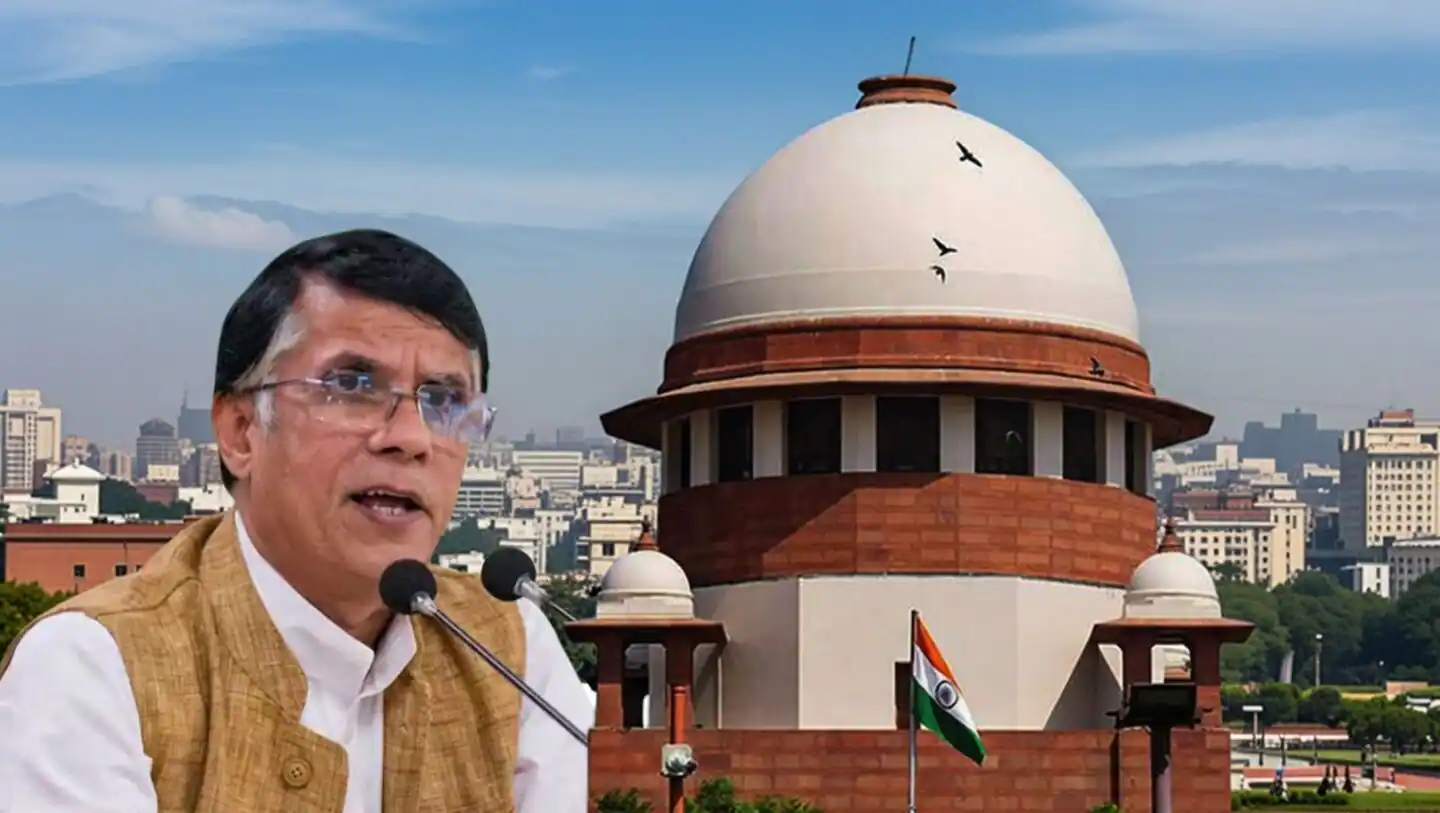
Pawan Khera, a political leader, faced legal challenges regarding his passport which led him to seek relief from the Supreme Court. The plea focused on extending his transit anticipatory bail in connection with a pending criminal case. The matter gained prominence following allegations made against him, which resulted in heightened scrutiny and public interest.

The bail application specifically aimed to secure Khera’s ability to travel abroad while he addressed the legal proceedings in India. His legal representatives presented arguments highlighting the necessity of his international travel due to personal and professional commitments. However, the court had to weigh these factors against the ongoing investigations into the allegations raised.

Supreme Court’s Decision

The Supreme Court ruled on the case on a date not specified, ultimately refusing Khera’s request for extending his transit anticipatory bail. The judges referenced the importance of adhering to legal protocols and emphasised that the ongoing investigations must take precedence. They noted that allowing an extension could potentially interfere with the case’s progress.

This decision signifies the judiciary’s stance on maintaining a balance between individual rights and the integrity of the legal process. The court maintained that Khera’s legal team had not substantiated the request sufficiently for the extension of the bail, which left the current status of the case unresolved. Legal analysts suggest that the outcome reflects broader principles regarding judicial oversight in matters involving allegations of this nature.

Given the refusal of bail, Khera must now navigate the legal landscape without the assurances that the transit anticipatory bail would have provided. The case is part of a larger narrative involving political figures facing legal challenges and illustrates the complexities surrounding such situations in India.

Reactions and Implications

The denial of relief by the Supreme Court has sparked a variety of reactions among legal experts and political commentators. Many have expressed concern over the implications of the ruling for Khera’s future movements and engagements. Observers note that such cases often contribute to the perception of the judiciary’s role in politically sensitive matters.

Khera’s continued legal challenges may affect his political career moving forward. The situation draws attention to the nexus between law and politics, particularly in cases where elected officials are implicated in criminal investigations. As the legal proceedings develop, further implications for Khera’s position within his political party and at the national level may emerge.

In the context of Indian politics, the refusal for an extension of bail also raises questions about the consistency of the legal framework when applied to prominent individuals. Future assessments will likely focus on how this case unfolds and what precedents it may set for similar cases involving politicians in the country.

As Khera contemplates his next steps, the legal community remains vigilant about the outcome of the ongoing investigations. The implications of this case extend beyond Khera himself; they represent a broader examination of how the legal system addresses allegations against public figures and the potential ramifications for governance and political accountability.

Long or Short, get news the way you like. No ads. No redirections. Download Newspin and Stay Alert, The CSR Journal Mobile app, for fast, crisp, clean updates!

App Store –  https://apps.apple.com/in/app/newspin/id6746449540 

Google Play Store – https://play.google.com/store/apps/details?id=com.inventifweb.newspin&pcampaignid=web_share

Latest News

Popular Videos
