


app-store-logo
play-store-logo
March 2, 2026

Over One Million People Affected by Shingles Annually: Key Insights on the Condition
The CSR Journal Magazine

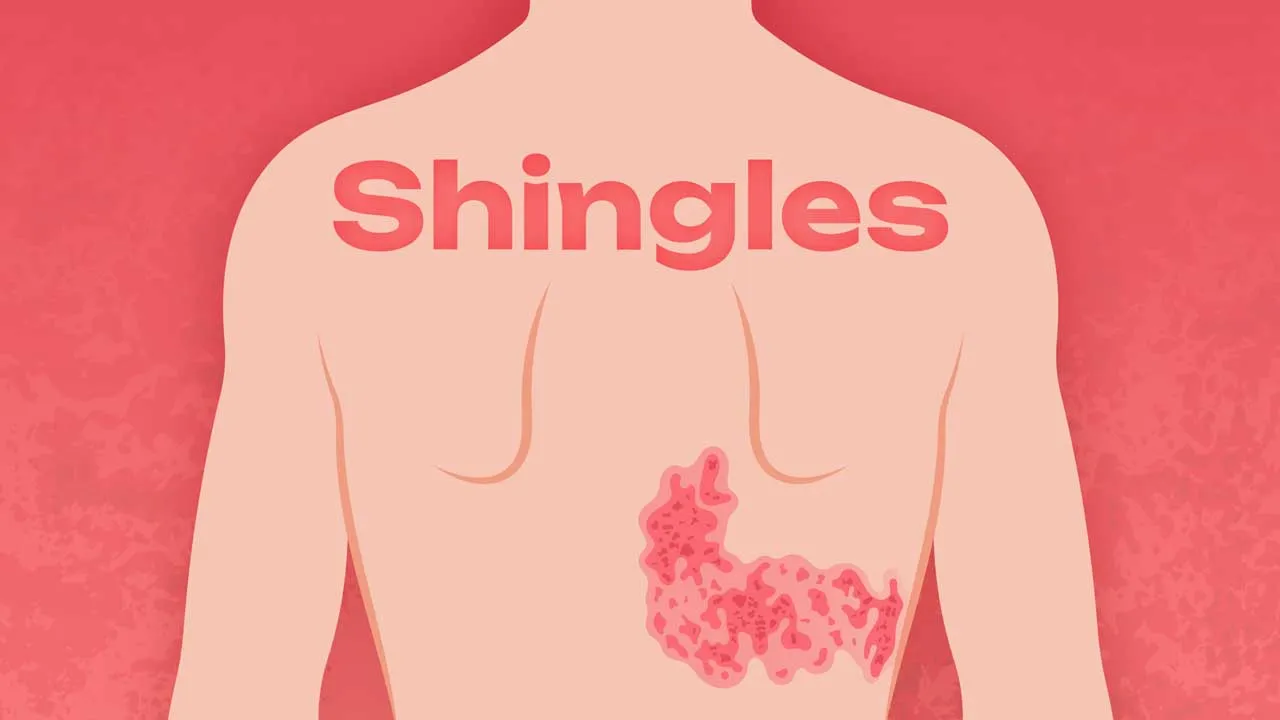
Shingles, known medically as herpes zoster, is a painful condition primarily affecting adults, with a higher prevalence in those over 50. The risk of developing this condition escalates with age, especially for individuals who have weakened immune systems. This disease arises when the varicella-zoster virus, the same virus responsible for chickenpox, reactivates within nerve cells. It is important to note that shingles is not a new infection; rather, it signifies the reawakening of a dormant virus that remains in the body after a person recovers from chickenpox.

Where the Virus Resides

Once an individual has had chickenpox, the varicella-zoster virus retreats to the nerve tissues near the brain and spinal cord, where it remains in an inactive state for many years—sometimes decades. The virus can reactivate, typically due to a decline in immune function often associated with aging or chronic illnesses. Consequently, this demographic faces a heightened risk for shingles, making awareness and prevention vital.

Transmission and Contagiousness

Shingles can spread through direct skin-to-skin contact with the fluid from the blisters of an infected individual to someone who has never been infected with chickenpox or vaccinated against it. It is important to clarify that the virus is not transmitted through respiratory droplets. According to Dr. Jatin Ahuja, a Senior Consultant in Infectious Diseases, those who have shingles should exercise caution around specific vulnerable groups, including newborns and pregnant women.

Treatment Options Available

While there is no definitive cure for shingles, antiviral medications can significantly alleviate symptoms and reduce the duration of the illness. It is recommended that treatment begin within 72 hours of developing a rash or pain for optimal effectiveness. Dr. Ahuja emphasizes that initiating antiviral therapy early can lead to a decrease in the virus’s severity and lower the chance of long-term complications. Maintaining proper hygiene, covering rashes, and avoiding close contact with immunocompromised individuals are also advisable precautions.

Duration and Healing Process

The shingles rash typically takes around 7 to 10 days to heal. Initially, the rash develops into blisters within three to four days, which then scab over usually within ten days. Complete resolution of the scabs may take even longer. Once the blisters are crusted, the risk of contagion is eliminated.

Effectiveness of Vaccines

The recombinant zoster vaccine known as Shingrix can significantly diminish the likelihood of developing shingles. In India, this vaccine, produced by GlaxoSmithKline, is priced at approximately Rs 10,999 per dose. The CDC states that vaccination remains the most effective means of preventing shingles. Dr. Ahuja advocates for vaccination among those at risk, including individuals over 50 years old and those with chronic health conditions. Shingrix has been noted to be up to 90% effective and is delivered in a two-dose series spaced between 2 to 6 months apart. Additionally, another vaccine, Zostavax, is available but is less effective over time and not advised for individuals with immune deficiencies.

Long or Short, get news the way you like. No ads. No redirections. Download Newspin and Stay Alert, The CSR Journal Mobile app, for fast, crisp, clean updates!

App Store –  https://apps.apple.com/in/app/newspin/id6746449540 

Google Play Store – https://play.google.com/store/apps/details?id=com.inventifweb.newspin&pcampaignid=web_share

Latest News

Popular Videos
