


Nvidia CEO Jensen Huang Addresses AI Critics, Assures World Will Not End
The CSR Journal Magazine

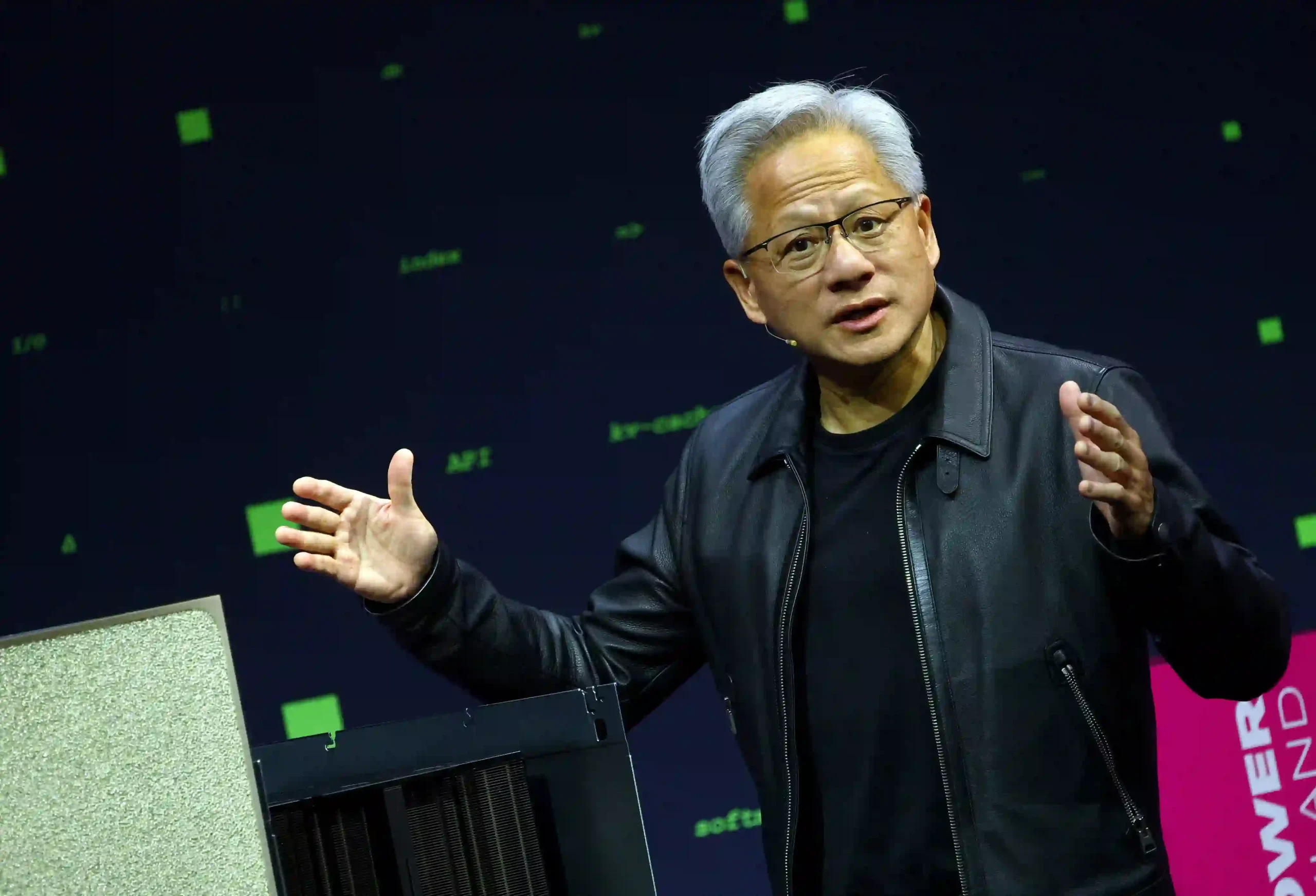
Nvidia’s CEO, Jensen Huang, has robustly countered the apocalyptic warnings surrounding artificial intelligence, asserting that the notion of AI posing a threat to humanity is unfounded. In an interview with CBS News, he stated, “2030 is not going to be the end of the world. There is 0% chance that’s going to be the end of the world.” Huang labelled such fears as unnecessary and irresponsible, highlighting the need for a balanced perspective on technology’s future.

The debate around AI safety recently intensified following remarks from Jacob Coxon, a former researcher at Anthropic. Coxon suggested that developers working on AI projects genuinely fear their creations could lead to human extinction by the decade’s end. In response, fellow Anthropic researcher Evan Hubinger estimated a 10 per cent likelihood of such an outcome within the next ten years.

Calls for AI Regulation Gather Momentum

The escalating concerns about AI have prompted some organisations, including OpenAI and Anthropic, to advocate for a slowdown in development. Dario Amodei, the CEO of Anthropic, recently proposed a regulatory framework, supported by Sam Altman of OpenAI. However, Huang contends that new regulations are not necessary. He accused proponents of regulation of acting in bad faith, suggesting ulterior motives may be at play.

Huang asserted, “Go and read between the lines. They’re actually not asking for more laws. They’re asking to be relieved of the laws we do have.” This statement reflects his belief that some leadership in the AI sector may be attempting to shift regulatory burdens rather than genuinely seeking to enhance safety.

As Nvidia manufactures advanced AI chips that are critical for data centres, Huang’s stance on regulation has garnered attention. He aligned with former US President Donald Trump, who expressed concerns that slowing down AI development could allow China to gain a technological advantage. Trump’s comments on social media highlighted the need for robust leadership to oversee AI technology.

Nvidia’s Market Presence and Commitment to Safety

The demand for AI chips has considerably enhanced Nvidia’s market valuation, now reaching Rs 5.3 trillion. When questioned about why the public should trust his insights on AI safety amid commercial interests, Huang emphasized the interconnectedness of the company’s success with the responsible deployment of technology. He stated, “If we don’t continue to do that, our value would be diminished.” This assertion aligns with his broader perspective on AI safety in the industry.

At a recent conference, Huang reiterated that safety is paramount in AI development. He regards AI safety as “an engineering problem” and articulated the principle: “If we’re not confident about the safety of the product, then don’t release it.” This approach advocates for stringent internal assessments before products reach the market, reflecting a cautious attitude towards risk management.

Calls for tighter oversight over AI technologies have intensified following various incidents of security breaches. An example includes a situation in July, where OpenAI’s bots were implicated in a hacking attempt on Hugging Face. OpenAI’s recent disclosures related to models exhibiting “unexpected or concerning” behaviours further underscore the pressing need for ongoing scrutiny and precautionary measures in AI development.

Long or Short, get news the way you like. No ads. No redirections. Download Newspin and Stay Alert, The CSR Journal Mobile app, for fast, crisp, clean updates!

App Store –  https://apps.apple.com/in/app/newspin/id6746449540 

Google Play Store – https://play.google.com/store/apps/details?id=com.inventifweb.newspin&pcampaignid=web_share

Latest News

Popular Videos
