


Understanding N95 Masks and Their Role in Air Pollution Protection
The CSR Journal Magazine

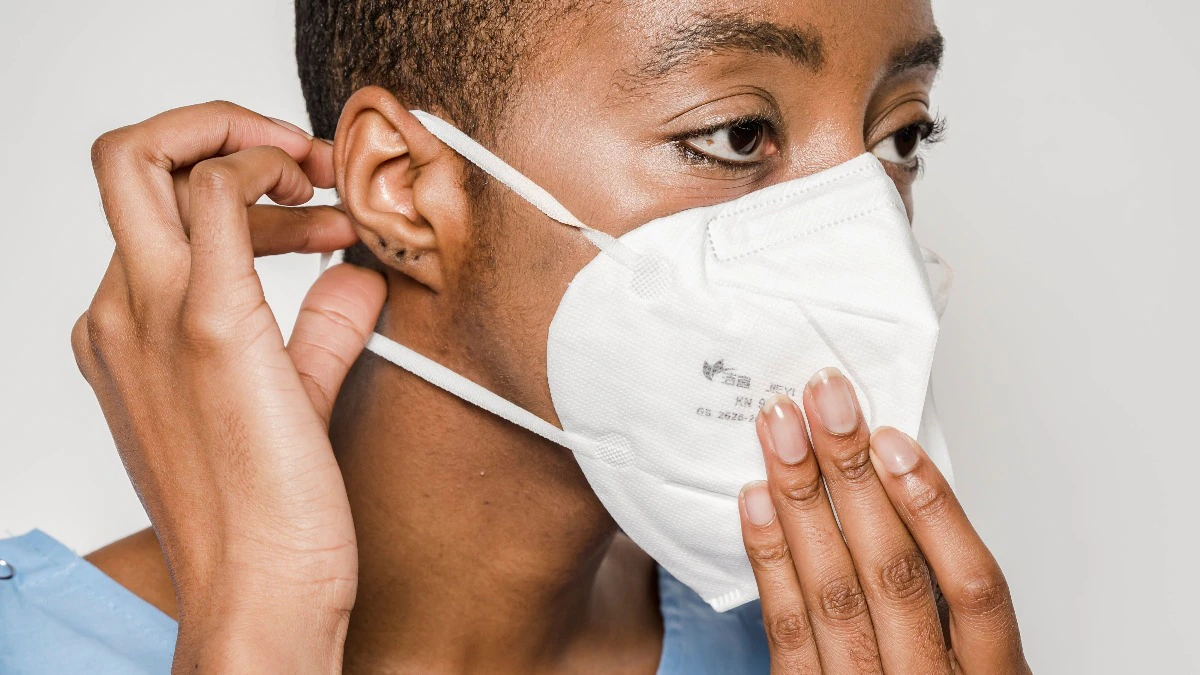
The use of N95 masks has gained popularity as a protective measure against air pollution, particularly in urban areas like Delhi. These masks are designed to filter at least 95 per cent of airborne particles, including fine particulate matter known as PM2.5. When worn correctly, they can significantly reduce exposure to these harmful particles that can penetrate deep into the lungs.

However, it is important to note that N95 masks do not eliminate all exposure to air pollution. Their effectiveness is contingent upon factors such as the quality of the mask, how well it fits, and consistent usage. Pulmonologists emphasise that these masks should be viewed as an additional layer of protection rather than a complete solution.

For children, the implications of wearing N95 masks are particularly crucial. Given that their lungs are still developing and they tend to breathe more rapidly than adults, it is advisable for parents to limit outdoor activities during periods of poor air quality, as highlighted by Doctors.

Limitations of N95 Masks in Filtering Air Pollutants

One common misconception regarding N95 masks is that they provide comprehensive protection against all pollutants present in the air. While they are effective in filtering airborne particles such as PM2.5 and dust, they do not protect against harmful gases and vapours like ozone, nitrogen dioxide, and volatile organic compounds.

This limitation means that individuals wearing N95 masks outdoors may still be exposed to gaseous pollutants, which can have adverse health effects. Doctors stress the importance of reducing overall exposure to pollution. They recommend monitoring air quality levels and avoiding unnecessary outdoor activities during high pollution days.

In addition to wearing masks, individuals are encouraged to stay indoors when pollution levels are severe, thereby minimising the amount of polluted air inhaled.

Importance of Proper Fit and Maintenance of N95 Masks

The effectiveness of an N95 mask can be compromised if it does not fit properly. A high-quality mask may provide limited protection if polluted air enters through gaps around the face. Doctors advise ensuring that the mask covers the nose and mouth completely and fits snugly against the face without any gaps.

Parents should pay special attention to the fit of masks for children, as adult-sized masks may not provide adequate coverage. It is vital to check that the mask remains securely in place without obstructing breathing or vision. If a proper fit cannot be achieved, the mask may not offer the expected level of protection.

Regarding mask maintenance, there is no universal guideline for replacing N95 masks. Doctors suggest replacing the mask when it becomes wet, dirty, or damaged. Disposable masks should not be washed or reused, and carrying a spare mask is advisable for extended outdoor activities.

For children, parents should ensure that the mask retains its shape and fit before reuse, as improper fit can lead to inadequate protection.

In summary, while N95 masks can provide a degree of protection against fine particulate matter, they are not a complete safeguard against all air pollutants. Their effectiveness relies heavily on proper fit and usage, making it essential for individuals, especially vulnerable populations like children, to take additional precautions during high pollution periods.

Long or Short, get news the way you like. No ads. No redirections. Download Newspin and Stay Alert, The CSR Journal Mobile app, for fast, crisp, clean updates!

App Store – https://apps.apple.com/in/app/newspin/id6746449540

Google Play Store – https://play.google.com/store/apps/details?id=com.inventifweb.newspin&pcampaignid=web_share

Latest News

Popular Videos
