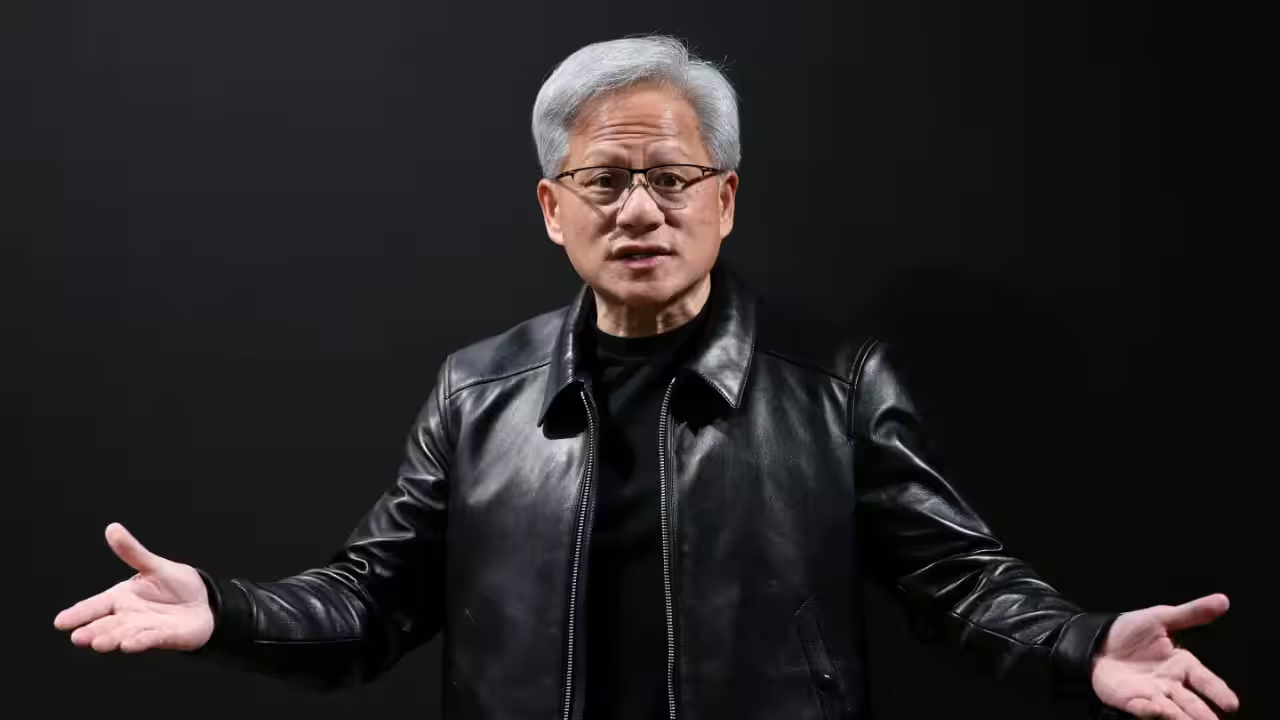
The Jensen and Lori Huang Foundation, co-founded by Nvidia CEO Jensen Huang and his wife Lori, has provided a significant computing grant to the University of Washington’s Medicine Institute for Protein Design (IPD). This grant totals nearly 7 million GPU hours, which will enhance the lab’s capabilities in protein design. The funding is expected to accelerate research and development in this critical area of biotechnology.
The IPD recently unveiled RFD4-Proteina, an open, generative model that has been co-developed with Nvidia. This innovative model is designed to create proteins up to ten times faster than previous methods, utilising biomolecular reasoning to refine the design process. By making RFD4-Proteina accessible to scientists globally, the initiative aims to foster collaboration and expedite the testing of promising drug candidates.
David Baker, the director of the IPD and a professor of biochemistry at the University of Washington School of Medicine, expressed optimism about the potential of RFD4-Proteina. He stated that the model could lead to breakthroughs in various fields, including medicine, sustainability, materials science, and biotechnology.
Impact on Protein Design and Drug Development
The grant from the Huang Foundation is expected to significantly enhance the IPD’s development of open-source AI models for protein design. These models will facilitate the creation of molecules with diverse applications, particularly in medicine and environmental sustainability. The provision of nearly 7 million GPU hours will allow researchers to reduce the time required for algorithm learning and evaluation from months to mere days.
This acceleration in processing power will enable scientists at the IPD to tackle complex protein-design challenges. These challenges include developing precision cancer therapeutics, creating durable vaccines, addressing currently untreatable diseases, and designing new enzymes capable of degrading environmental toxins, such as long-lasting hazardous chemicals and plastics.
The computing resources provided through the Huang Foundation’s partnership with CoreWeave leverage Nvidia’s advanced graphics processing units (GPUs). This collaboration is set to propel the research efforts at the IPD, allowing for more rapid advancements in protein design and its applications.
Future Prospects for Medicine and Biotech
Jensen Huang, co-president of the Huang Foundation, highlighted the transformative potential of the research being conducted at the IPD. He noted that many of the most critical medicines of the future are likely to arise from proteins that have yet to be discovered. By training AI on tens of millions of molecular structures and learning from virtual experiments, researchers aim to uncover novel protein designs that nature has not yet realised.
The Huang Foundation’s initiative is not only focused on advancing research but also on ensuring that the resulting models, data, and tools remain openly accessible to the scientific community. This commitment to open science aims to democratise access to cutting-edge research and foster innovation across various fields.
In conclusion, the substantial grant from the Jensen and Lori Huang Foundation to the UW Medicine Institute for Protein Design represents a significant step forward in the field of protein engineering. With the enhanced computational power, researchers will be better equipped to explore new frontiers in medicine and biotechnology, potentially leading to groundbreaking discoveries in the years to come.
Long or Short, get news the way you like. No ads. No redirections. Download Newspin and Stay Alert, The CSR Journal Mobile app, for fast, crisp, clean updates!