


MJ Akbar Highlights Iran’s Disrespect for Pakistan Following Naval Incident
The CSR Journal Magazine

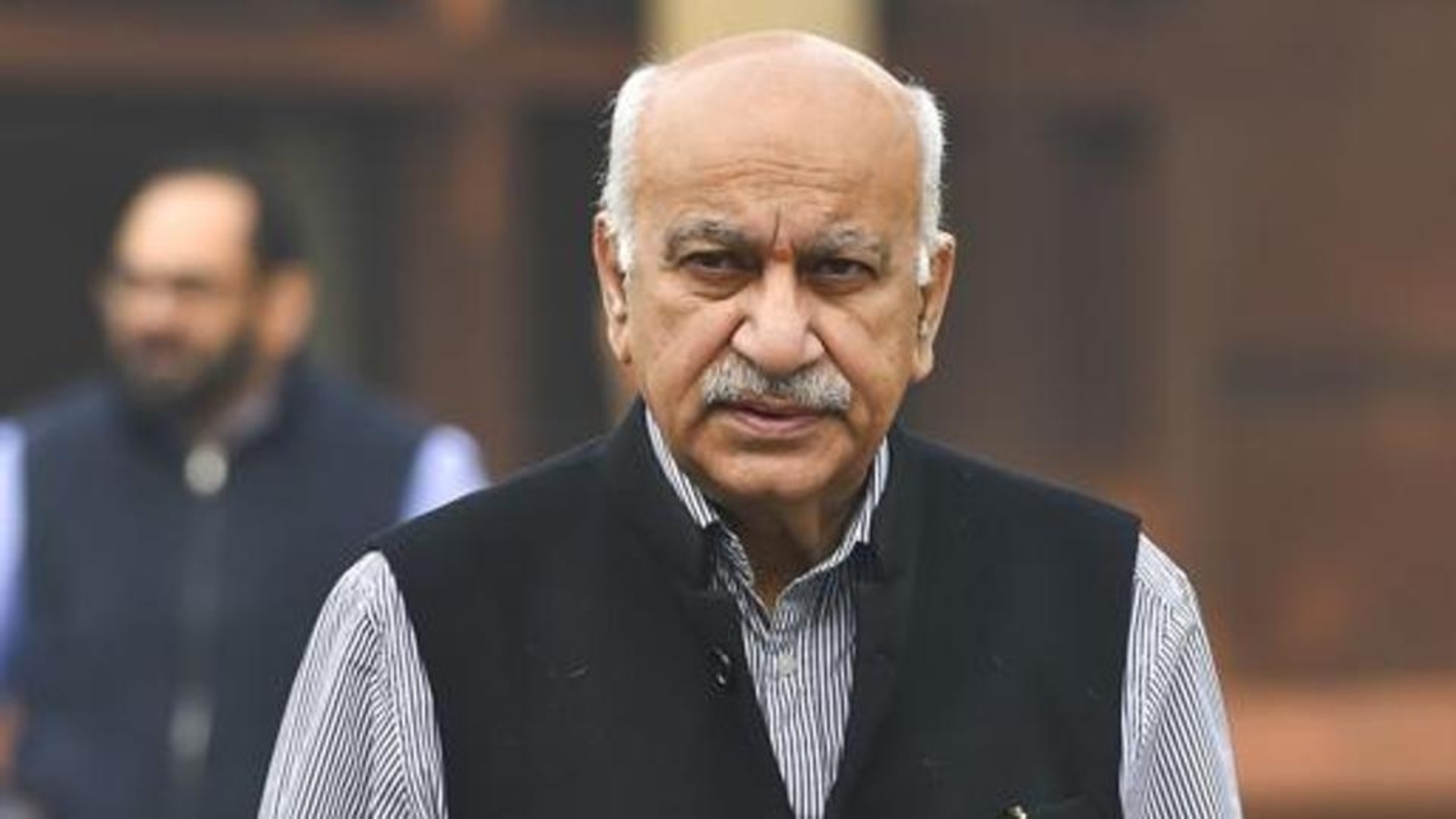
Following a recent incident in which Iran’s Islamic Revolutionary Guard Corps (IRGC) Navy reportedly redirected a container ship bound for Pakistan, former Minister of State in the Ministry of External Affairs, MJ Akbar, expressed strong views on Iran’s perception of Pakistan. In an interview, Akbar remarked that while Iran may regard Pakistan as a friend, it does not hold the country in high esteem, believing that Pakistan often operates under U.S. directives.

Differences in Relations Between Iran and Pakistan

Akbar articulated that Iran has a low regard for Pakistan and suggested that the latter’s foreign policy is heavily influenced by the United States. He stressed that when the U.S. engages with Pakistan, it is with varying interests, which compromises Pakistan’s autonomy in the eyes of Iran. “Pakistani’s locus standi with Tehran is very, very low,” he noted, emphasizing his belief that the existing dynamics are largely shaped by external influences.

Contrast with India’s Relationship with Iran

In contrast to its relationship with Pakistan, Akbar highlighted that Iran respects India’s foreign policy, which is based on national interests. He explained that when India and Iran disagree, it is perceived as a divergence of views rather than subservience. This difference underscores Iran’s acknowledgment of India’s independent decision-making processes as opposed to its perspective of Pakistan’s foreign alignments.

Pakistan’s Aggressive Stance Towards Neighbors

Akbar also characterized Pakistan as an aggressor that has engaged in conflicts with its neighboring countries, including Iran. He pointed out Iran’s past experiences with Pakistan, claiming that Pakistan has even attacked Iranian territory. Such historical tensions further complicate bilateral relations and contribute to Iran’s current stance.

Context of the Naval Incident

The remarks from Akbar come in the wake of the IRGC Navy’s action regarding the merchant vessel named SELEN. According to Iranian naval officials, this vessel, which was en route to Karachi, was turned back at the Strait of Hormuz due to violations of legal protocols and a lack of authorization for passage. The IRGC emphasized that any vessel wishing to traverse the Strait must coordinate fully with Iran’s naval authority.

Importance of the Strait of Hormuz

The Strait of Hormuz, situated between Oman and Iran, is a critical maritime corridor, connecting the Persian Gulf with the Gulf of Oman and the Arabian Sea. This strategic strait is essential for global oil transport, serving as a vital channel for the world’s largest crude oil tankers. The incident involving the SELEN vessel highlights not only Iran’s maritime regulations but also underscores the geopolitical complexities in the region.

As Iran maintains its stance on maritime security and compliance with legal frameworks, the relations among Iran, Pakistan, and India continue to evolve amidst various regional challenges.

Long or Short, get news the way you like. No ads. No redirections. Download Newspin and Stay Alert, The CSR Journal Mobile app, for fast, crisp, clean updates!

App Store –  https://apps.apple.com/in/app/newspin/id6746449540 

Google Play Store – https://play.google.com/store/apps/details?id=com.inventifweb.newspin&pcampaignid=web_share

Latest News

Popular Videos
