


Mediation or Motive? Pakistan Walks a Fine Line in High-Stakes U.S.-Iran Talks
The CSR Journal Magazine

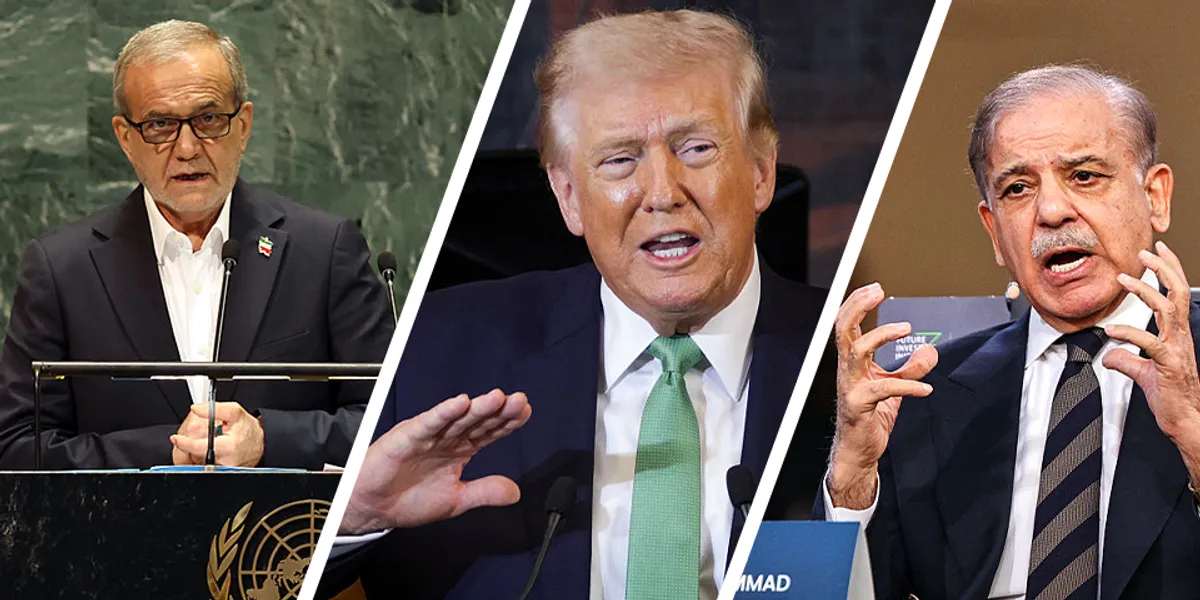
In light of escalating tensions in the U.S.-Iran conflict, Pakistan has positioned itself as a prospective mediator. This initiative has prompted scrutiny regarding whether Islamabad’s motivations are genuinely aimed at achieving peace or if they are reflective of strategic pragmatism. Alongside Egypt and Turkey, Pakistan is reportedly facilitating dialogue between Washington and Tehran, with indications that a direct meeting between U.S. and Iranian representatives may occur within its borders shortly. This places Pakistan at the forefront of significant diplomatic negotiations.

Economic Imperatives Driving Engagement

Pakistan’s recent diplomatic activities need to be understood within a broader context. Analysts suggest that the country’s motivations are closely tied to pressing economic challenges, geopolitical ambitions, and national security issues. At the core of this is Pakistan’s vulnerable economy, which has been adversely affected by the ongoing Middle Eastern conflict.

With the Strait of Hormuz serving as a crucial oil passageway, disruptions there have led to increased energy prices and inflation within Pakistan, exacerbating fiscal pressures. The government has been compelled to implement austerity measures to alleviate the economic strain, with the recognition that a protracted conflict could severely destabilize the nation’s financial landscape.

Geopolitical Considerations

Strategic positioning also plays a crucial role in Pakistan’s mediation efforts. By stepping in as a mediator, Islamabad seeks to boost its relevance on the global stage, especially in relation to its ties with the United States. Pakistan is leveraging its unique perspective in maintaining relationships with both Washington and Tehran, aiming to act as a crucial intermediary between the two nations.

Security Concerns and Regional Stability

The security dimensions further complicate Pakistan’s involvement. The nation shares a long and sensitive border with Iran, meaning any escalation of conflict could have direct ramifications for its territory. Additionally, Pakistan is already addressing tensions along its western border with Afghanistan. A larger regional conflict could overwhelm its security forces and contribute to internal instability, underlining the importance of de-escalation for Pakistan.

The Influence of Regional Alliances

Another layer to this situation is Pakistan’s defense alliance with Saudi Arabia, which operates under a mutual defense agreement. An escalation involving Riyadh could potentially pull Pakistan directly into the fray, making it imperative for Islamabad to pursue de-escalation in the region to safeguard its strategic interests.

Motivations Behind Mediation Efforts

While Pakistan publicly frames its role as one of peacebuilding, underlying motives suggest a more intricate reality. The ongoing mediation appears to serve Pakistan’s national interests as much as it aims to resolve complex international issues. In the realm of geopolitics, mediation rarely exists as a neutral act. For Pakistan, this engagement is a calculated strategy to protect its economic stability, enhance diplomatic leverage, and navigate away from a conflict that could have dire implications.

Long or Short, get news the way you like. No ads. No redirections. Download Newspin and Stay Alert, The CSR Journal Mobile app, for fast, crisp, clean updates!

App Store –  https://apps.apple.com/in/app/newspin/id6746449540 

Google Play Store – https://play.google.com/store/apps/details?id=com.inventifweb.newspin&pcampaignid=web_share

Latest News

Popular Videos
