


Markets Slip After Trump’s Iran Remarks, Oil Prices Surge
The CSR Journal Magazine

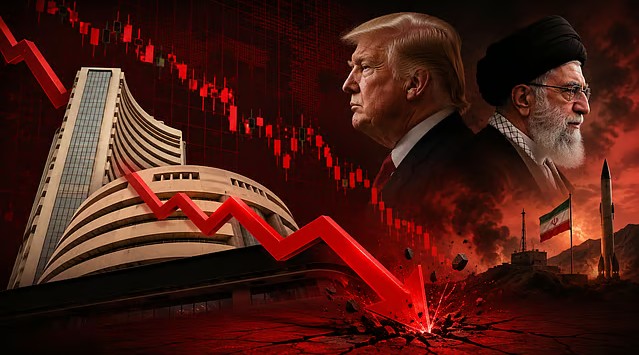
Global markets experienced a decline on 8 July 2026 following remarks made by United States President Donald Trump regarding Iran. The president indicated that the memorandum of understanding aimed at curtailing conflict with Iran was no longer valid and hinted at potential military action. This statement sent shockwaves through financial markets as Wall Street opened to losses.

The Dow Jones Industrial Average fell by 0.8 per cent, while the Nasdaq Composite decreased by 0.2 per cent. The S&P 500 index also saw a downturn, dropping 0.5 per cent. In response to growing tensions, Brent crude oil prices surged to $77.24 a barrel, marking a 4.2 per cent increase and reaching the highest level recorded in the past two weeks.

Trump made his comments while attending the NATO summit in Turkiye, where he suggested that a significant military response could occur that evening against Iran. His statements echoed a broader narrative of escalating geopolitical tensions, exacerbating financial uncertainties globally.

Impact on Travel and Energy Stocks

The rise in oil prices adversely affected travel stocks, with major airlines reporting sharp declines. United Airlines saw a drop of 3 per cent, while Southwest Airlines and Delta Airlines also recorded losses of 2 per cent and 2.4 per cent, respectively. The aviation sector is particularly sensitive to fuel price fluctuations, prompting nervous reactions from investors.

Conversely, the energy sector benefited from the increase in oil prices. Companies such as ConocoPhillips experienced a share price increase of 1.8 per cent, Chevron rose by 1.5 per cent, and ExxonMobil saw a 1.4 per cent boost. Analysts attribute this growth to the immediate impact of higher oil prices on corporate earnings in the energy sector.

The dynamics within the market illustrate the complex interplay of geopolitical developments and economic factors. Following Trump’s remarks, energy stocks responded positively, reflective of heightened demand for crude oil, while the airline industry struggled due to prospects of increased operational costs.

Future Implications for Oil Prices

The recent shift in oil prices raises questions about the future trajectory of global energy markets. After a substantial decline from a peak of $126 per barrel in late April, many investors were cautiously optimistic about possible peace resolutions in the Middle East, which had contributed to lower fuel prices for consumers in the United States.

Petrol prices had reportedly decreased to $3.79 per gallon ($1.00 per litre), down from highs observed earlier this year. However, analysts suggest that ongoing tensions could jeopardise this trend, potentially leading to further increases in fuel costs and influencing inflation rates.

Commentators have highlighted the volatility in the oil sector, with some experts warning that escalating military actions could result in renewed oil shocks. The latter would have significant implications for the global economy, determining whether it benefits from lower energy prices or faces rising costs due to geopolitical instability.

As these developments unfold, there remains general anticipation regarding the potential consequences on both consumer behaviour and market conditions, particularly as energy prices continue to fluctuate with evolving geopolitical narratives. The situation underscores the delicate balance between international relations and economic stability.

Long or Short, get news the way you like. No ads. No redirections. Download Newspin and Stay Alert, The CSR Journal Mobile app, for fast, crisp, clean updates!

App Store –  https://apps.apple.com/in/app/newspin/id6746449540 

Google Play Store – https://play.google.com/store/apps/details?id=com.inventifweb.newspin&pcampaignid=web_share

Latest News

Popular Videos
