


Lok Sabha to Vote on Delimitation Bill and Women’s Reservation Bill Amendments
The CSR Journal Magazine

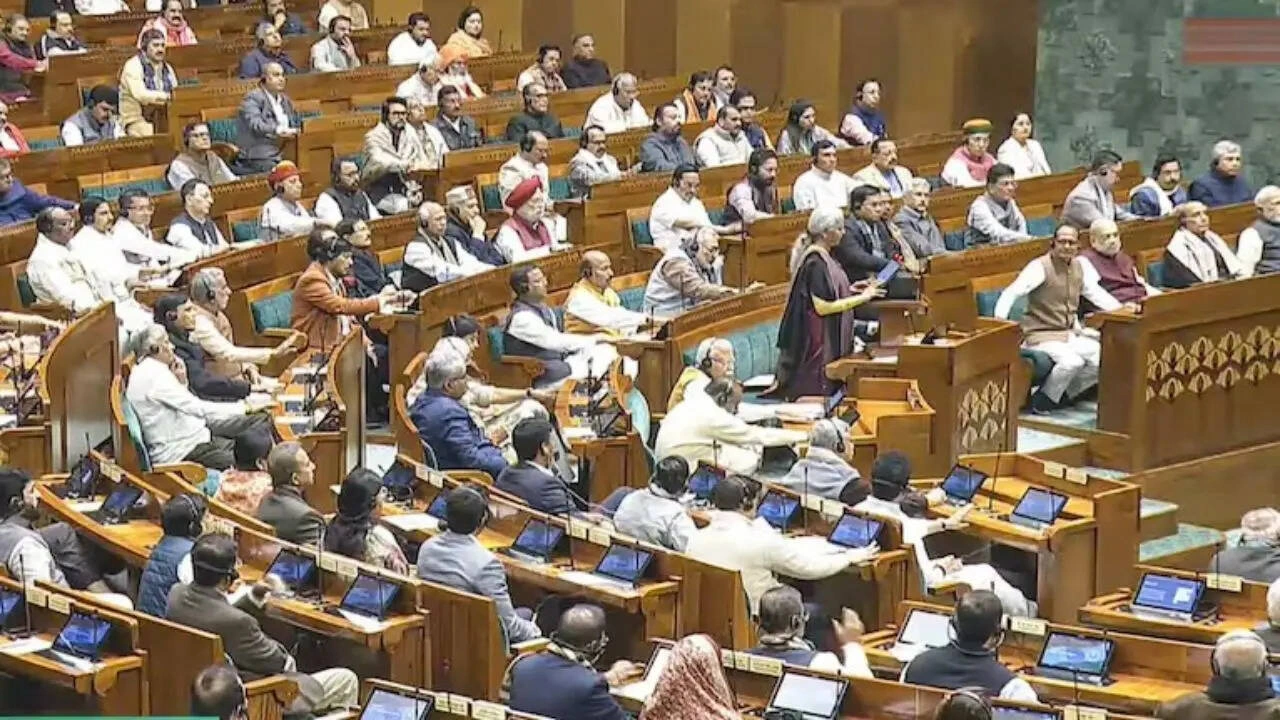
The Lok Sabha is poised to advance discussions on the Constitution (One Hundred and Thirty-First Amendment) Bill, 2026, which aims to ensure a 33 per cent reservation for women in Parliament and State Assemblies. Alongside this, the Union Territories Laws (Amendment) Bill, 2026, which would extend similar provisions to Delhi and Jammu and Kashmir, will also be deliberated. Additionally, the Delimitation Bill, which proposes to increase the number of Lok Sabha constituencies to 850, will be on the agenda.

According to the official Business list for the day, all three bills will be discussed in a combined session. Union Law and Justice Minister Arjun Ram Meghwal and Union Home Minister Amit Shah are anticipated to formally propose the passage of these bills.

Previous Session Highlights and Voting Outcomes

On Thursday, the Lok Sabha conducted an extended 12-hour session to engage in discussions regarding the Women’s Reservation Bill amendments. Notably, one amendment aims to eliminate the stipulation that the bill’s implementation is contingent upon the completion of the census. The session culminated in a vote, where 251 representatives voted in favour, while 185 opposed, resulting in a total of 333 votes cast. This majority facilitated the introduction of all three bills in the Lok Sabha.

The discussions featured contributions from several notable leaders, including Prime Minister Narendra Modi and Union Home Minister Amit Shah. Opposition voices, particularly from the Samajwadi Party and Congress, also took part in the debate. Congress leader KC Venugopal urged the government to reconsider the current form of the Constitution (One Hundred and Thirty-First Amendment) Bill and suggested convening an all-party meeting to forge a consensus.

Concerns were expressed by opposition members regarding the government’s intentions. Venugopal asserted that the delimitation process is being pushed forward under the guise of the Women’s Reservation Amendment Bill. Asaduddin Owaisi from AIMIM voiced apprehensions that the enactment of these laws would diminish the opposition’s representation within the Lok Sabha.

Concerns Raised by Southern States’ Representatives

Concerns have arisen from several MPs, particularly from the DMK and Congress, regarding the potential disproportionate effects on Southern states if the bills are passed. Leaders such as Manickam Tagore and A Raja indicated that states like Telangana, Tamil Nadu, and Kerala are likely to face inadequate representation compared to their Northern counterparts.

In response, Union Minister Amit Shah attempted to address these concerns, asserting that there would be an approximate 50 per cent increase in seats for Southern states, thereby allowing their representation to remain proportionately significant within the overall structure of the Lok Sabha. This statement aimed to alleviate fears among opposition members regarding the implications for their regional influence following the proposed changes.

The session is expected to draw considerable attention as the Lok Sabha moves forward with the vote on the上述 mentioned bills. The government’s strategy and the opposition’s reactions will likely shape the legislative landscape in the coming days.

Long or Short, get news the way you like. No ads. No redirections. Download Newspin and Stay Alert, The CSR Journal Mobile app, for fast, crisp, clean updates!

App Store –  https://apps.apple.com/in/app/newspin/id6746449540 

Google Play Store – https://play.google.com/store/apps/details?id=com.inventifweb.newspin&pcampaignid=web_share

Latest News

Popular Videos
