


Legal Implications of Foreign Nationals Protesting in India Examined Following Dhruv Rathee’s Detention

The CSR Journal Magazine

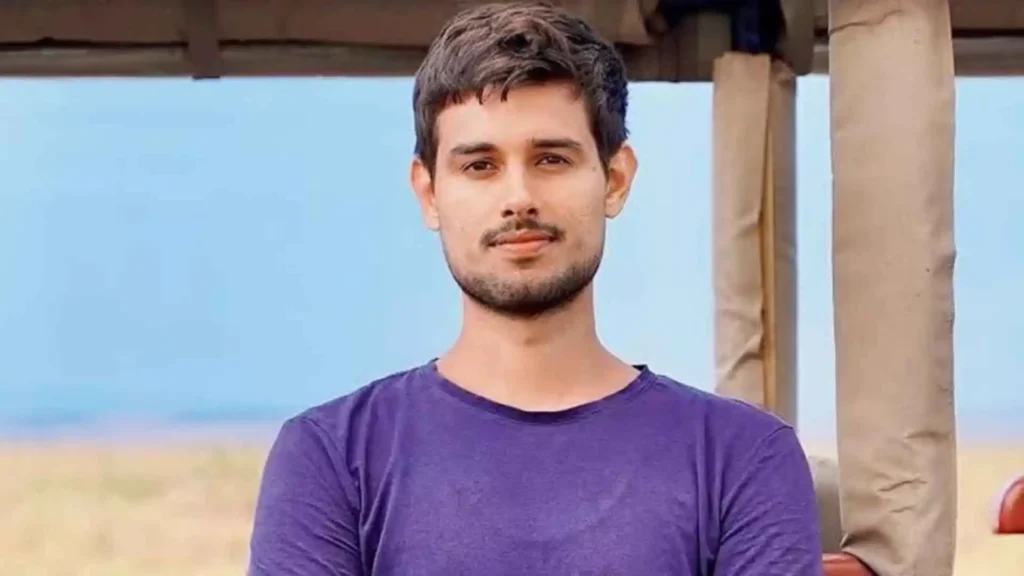
YouTuber Dhruv Rathee’s recent detention in Gurugram has raised important legal questions regarding the participation of foreign nationals in political demonstrations within India. This incident follows his involvement in an anti-Special Intensive Revision (SIR) protest held in Bengaluru on October 8. Following Rathee’s reported detention, Bhaskar Rao, a former Bengaluru Police Commissioner and BJP leader, has approached the Union Home Ministry to ascertain Rathee’s citizenship status and the legalities surrounding his presence in India.

Rathee was detained alongside several others ahead of a planned protest set for October 10 in Delhi, organised by the Cockroach Janta Party (CJP). The demonstration centres around concerns related to the Chief Election Commissioner Gyanesh Kumar and the current revision of electoral rolls. The legal discussions ensuing from these events have focused on the rights of foreign nationals in India and the conditions that govern their participation in public political activities.

The developments following Rathee’s situation suggest a need for clarity regarding the legal framework that dictates foreign nationals’ rights in India. This has consequently brought the issue of immigration and visa compliance into sharper focus for individuals involved in political protests.

Constitutional Rights for Foreign Nationals in India

The Constitution of India delineates specific rights for Indian citizens, making it important to understand the implications for foreigners. Article 19 guarantees Indian citizens certain freedoms, including the right to free speech and peaceful assembly. These rights do not extend to foreign nationals uniformly residing in the country.

Nonetheless, foreign nationals are not devoid of constitutional protections. Article 14 ensures equality before the law, while Article 21 safeguards personal liberty and life for all individuals in India. Although foreign nationals lack the specific rights defined in Article 19, they are still entitled to protections under Indian law as long as they comply with the relevant legal frameworks pertaining to their stay in the country.

This indicates a nuanced distinction: while foreign nationals may not possess the same privileges regarding protest as Indian citizens, any actions taken against them must adhere to existing laws. Their conduct during public assemblies could still be legally scrutinised, making awareness of their immigration status crucial during such engagements.

Consequences for Foreign Nationals Participating in Demonstrations

A foreign national’s involvement in protests may lead to inquiries surrounding their compliance with visa regulations. The Immigration and Foreigners Act, 2025, effective from September 1, 2025, establishes the framework governing immigration laws and the conduct of foreign nationals. Visa conditions can restrict activities, leading to potential legal challenges if those terms are violated.

Assessing the legality of a foreign national’s protest participation involves examining various factors, such as immigration status and the specifics of their visa. It is inaccurate to assert that mere participation in a protest constitutes a legal transgression. Authorities have the jurisdiction to investigate suspected violations, which may result in consequences ranging from cancellation of residency to deportation, depending on the circumstances.

Historical precedents indicate that foreign nationals have faced repercussions similar to those being discussed in Rathee’s case. During the protests against the Citizenship (Amendment) Act from 2019 to 2020, some foreign nationals were questioned or expelled based on alleged visa violations. These instances serve as reminders of the immigration implications tied to political participation for foreigners in India.

Investigation into Dhruv Rathee’s Immigration Status Initiated

Bhaskar Rao’s approach to the Union Home Ministry includes requests for verification of Rathee’s citizenship and the specifics of his visa status. He called for an assessment of Rathee’s history regarding political demonstrations during previous visits to India and sought legal action if any infractions were discovered.

On October 8, Rathee participated in a gathering in Bengaluru centred around electoral accountability, featuring prominent civil society members. His vocal criticism of the Election Commission during this event has compounded scrutiny regarding his immigration status amidst the ongoing discussions spurred by his detention.

While Rao’s request represents a pursuit of clarity on legal adherence, it should not be misconstrued as evidence of wrongdoing. The process ahead will rely on the authorities determining the facts before reaching any conclusions about Rathee’s compliance with immigration laws associated with his stay in India.

Long or Short, get news the way you like. No ads. No redirections. Download Newspin and Stay Alert, The CSR Journal Mobile app, for fast, crisp, clean updates!

App Store –  https://apps.apple.com/in/app/newspin/id6746449540 

Google Play Store – https://play.google.com/store/apps/details?id=com.inventifweb.newspin&pcampaignid=web_share

Latest News

Popular Videos