


Jairam Ramesh Questions Centre’s Commitment to Climate Action Following Withdrawal of COP 33 Hosting Bid

The CSR Journal Magazine

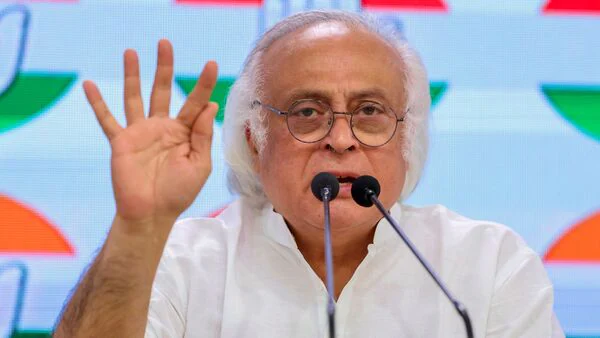
Congress Member of Parliament Jairam Ramesh has raised concerns over the Indian government’s recent decision to withdraw its proposal to host the 33rd Conference of the Parties (COP 33) of the United Nations Framework Convention on Climate Change (UNFCCC) in 2028. Ramesh’s statements come amidst criticism of the government’s commitment to climate initiatives following the 2015 Paris Agreement.

The announcement regarding the withdrawal was conveyed to the Asia-Pacific group on April 2, 2025. The Indian government had previously signalled its intentions to host COP 33 during a speech by Prime Minister Narendra Modi at the COP-28 high-level segment in December 2023 in the United Arab Emirates.

Criticism from Congress MP

Ramesh expressed his doubts about the government’s dedication to its carbon mitigation goals, suggesting that the decision to withdraw indicates a lack of seriousness regarding climate commitments. He alleged that the government intended to leverage the COP 33 event for electoral gain ahead of the upcoming 2029 General Elections.

The Congress MP took to social media to highlight the earlier announcement made by Modi in December 2023, where the Prime Minister had proudly stated that India would be hosting the global climate conference. Ramesh questioned the consistency of this promise with the recent withdrawal, suggesting that the government’s motivations may be politically motivated.

Ramesh’s statement also pointed to the implications of international climate agreements. He noted the significance of the upcoming Intergovernmental Panel on Climate Change (IPCC) seventh assessment report, due for release before 2028, and the anticipated demands for heightened climate action that could have placed additional pressure on India as the host nation.

Government’s Rationale Unclear

No specific reasons for the abrupt decision to withdraw from hosting the conference have been made public. This lack of transparency has raised further questions about the government’s intentions regarding climate policy and international cooperation.

Observers from various sectors have noted that hosting major international conferences is often seen as an opportunity for promoting a nation’s credentials on the global stage. In this context, the withdrawal from COP 33 presents a significant shift in India’s international climate engagement strategy.

Ramesh also referred to comments made by Prime Minister Modi in 2014 regarding climate change, implying a disconnect between past rhetoric and current actions. He suggested that the government’s recent actions do not align with the commitments that India has made on various international platforms.

Implications for Future Climate Commitments

The decision to withdraw from hosting COP 33 could potentially have long-term consequences for India’s position in global climate negotiations. India’s ability to influence discussions on significant climate issues may be impacted, especially as the world moves towards more stringent climate targets.

As nations increasingly prioritise climate resilience and reduction of carbon emissions, India’s decision to step back from hosting may be perceived as a retreat from its leadership role in climate diplomacy. The Congress MP’s criticism highlights the importance of maintaining consistency in climate commitments at all governmental levels.

In light of these developments, India’s engagement with global climate initiatives will likely be scrutinised more closely by both domestic and international observers in the coming years.

Long or Short, get news the way you like. No ads. No redirections. Download Newspin and Stay Alert, The CSR Journal Mobile app, for fast, crisp, clean updates!

App Store –  https://apps.apple.com/in/app/newspin/id6746449540 

Google Play Store – https://play.google.com/store/apps/details?id=com.inventifweb.newspin&pcampaignid=web_share

Latest News

Popular Videos