


China Dismisses Connection Between Tibet Dam Projects and Nepal Flash Floods
The CSR Journal Magazine

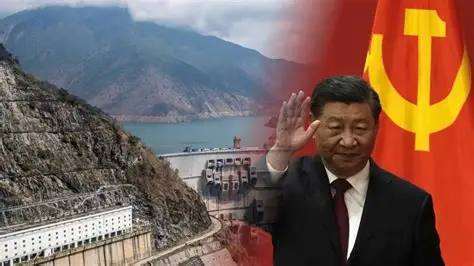
China has rejected allegations that its major hydropower projects in Tibet were responsible for the recent flash floods in Nepal. Beijing described the claims as “malicious speculation” and said there is no factual basis to link its infrastructure projects to the disaster.

Chinese Foreign Ministry spokesperson Guo Jiakun said search, rescue and relief operations were continuing, while information about the disaster was being released in a timely and transparent manner.

Glacier Collapse Blamed for Flash Floods

According to assessments by experts from China and Nepal, the disaster was triggered by a high-altitude glacier collapse in Nepal. The resulting mudslide caused widespread destruction across northern and central parts of the country.

Homes, roads, hydropower facilities and other infrastructure were severely damaged, while hundreds of people were killed and thousands remained unaccounted for.

Rising Death Toll in Nepal and Tibet

Officials in Tibet reported that the death toll from the flash floods at Gyirong Port had risen to 16. Around 546 people, including 49 Indian nationals, were reported missing.

In Nepal, the reported death toll reached 903, while more than 4,200 people remained unaccounted for, according to the National Disaster Risk Reduction and Management Authority.

China’s Massive Hydropower Ambitions

China has faced scrutiny for years over its expanding hydropower projects in Tibet. One of the most ambitious is a massive dam project on the Brahmaputra River, estimated to cost around US$167.8 billion.

Construction began in July 2022, and the project is expected to generate more than 300 billion kilowatt-hours of electricity annually—enough to meet the yearly energy needs of more than 300 million people.

Concerns Over Seismic Risks

The project has also raised concerns among some Chinese geologists because of its location near an active fault zone. The Tibetan Plateau is highly vulnerable to earthquakes because of its complex geological structure.

China, however, maintains that the dam is being constructed according to the highest industrial and safety standards.

A Strategic Location in the Himalayas

The proposed hydropower development is located in a vast Himalayan gorge where the Brahmaputra River makes a major turn before flowing into Arunachal Pradesh and eventually Bangladesh.

Because the region is both environmentally sensitive and seismically active, the project has attracted considerable attention from neighbouring countries and environmental experts.

Questions Over Future Disaster Risks

China’s latest comments come as rescue and recovery operations continue in Nepal and Tibet. While Beijing maintains that the floods were caused by a natural glacier collapse, concerns over the environmental and safety implications of large-scale hydropower development in the Himalayan region remain.

As recovery efforts continue, questions over disaster preparedness, cross-border cooperation and the long-term safety of infrastructure in this earthquake-prone region are likely to remain at the centre of discussion.

Long or Short, get news the way you like. No ads. No redirections. Download Newspin and Stay Alert, The CSR Journal Mobile app, for fast, crisp, clean updates!

App Store –  https://apps.apple.com/in/app/newspin/id6746449540 

Google Play Store – https://play.google.com/store/apps/details?id=com.inventifweb.newspin&pcampaignid=web_share

Latest News

Popular Videos
