


Iran’s President Announces Release of $6 Billion in Frozen Assets Held in Qatar
The CSR Journal Magazine

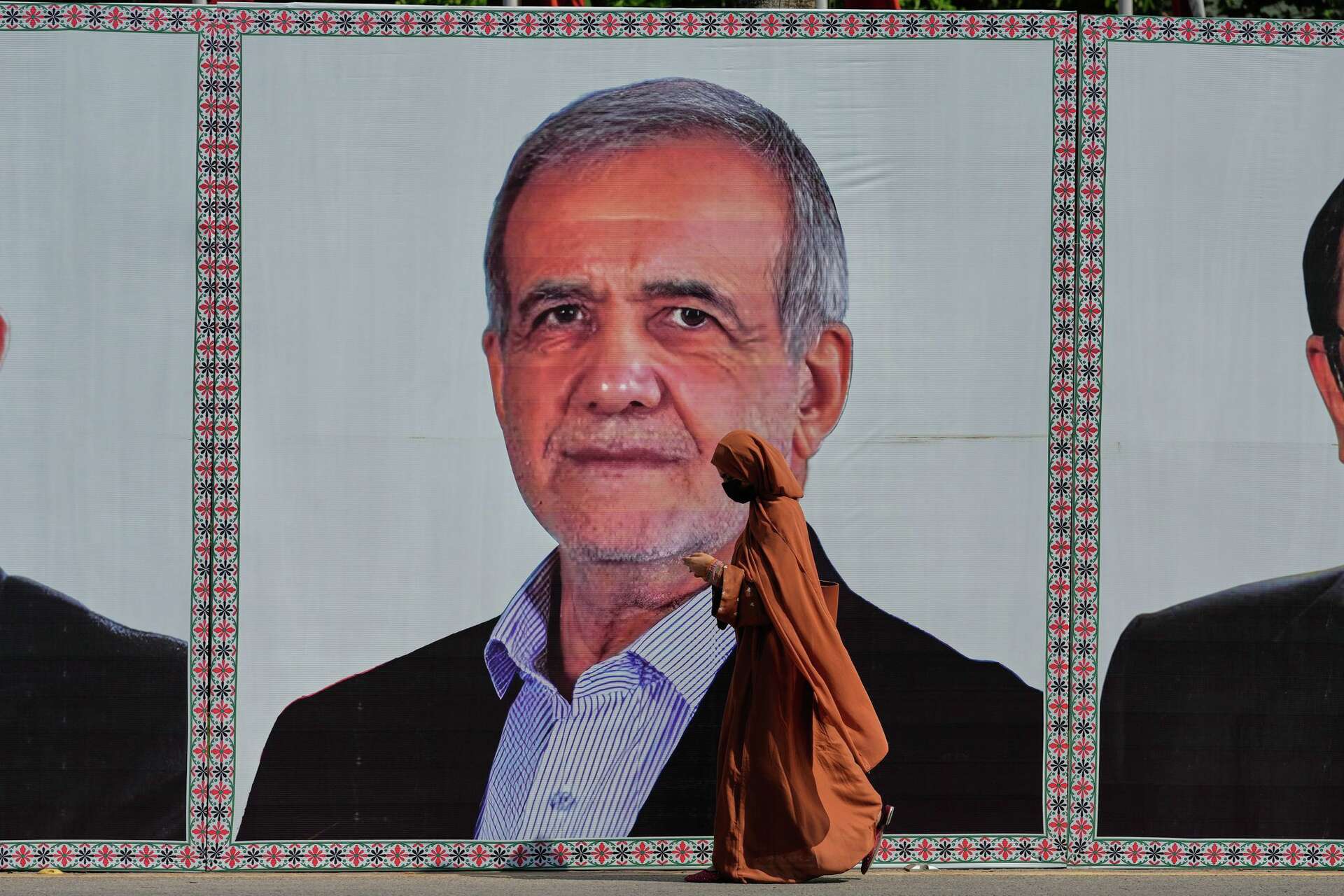
Iran’s President Masoud Pezeshkian stated on Monday that USD 6 billion in frozen assets belonging to Iran in Qatar would be released. His announcement comes amid heightened tensions in the Gulf region, particularly following a series of attacks across the Persian Gulf that occurred over the weekend. This statement appears to be an effort to generate domestic support for an interim agreement that is reportedly under negotiation.

Pezeshkian’s remarks were disseminated through the state-operated IRNA news agency. He described the emerging interim deal as a significant achievement for the Iranian populace. “According to the plans outlined, USD 6 billion of the total USD 12 billion of Iranian resources in Qatar will be utilised and brought back to the country,” he announced without providing further specificities regarding the process.

Significantly, Pezeshkian has become the most prominent Iranian official to comment on the potential release of assets held in Qatar. His statements align with ongoing discussions mediated by Pakistan, which is playing a pivotal role in facilitating negotiations between Iran and the United States.

Geopolitical Context of the Strait of Hormuz

The remarks come against a backdrop of increasing challenges to Iran’s control over the Strait of Hormuz, a crucial waterway for global oil and natural gas shipping. Efforts are reportedly underway to allow maritime traffic in Oman’s territorial waters, counteracting Iran’s influence. Iran’s recent actions, including attacks on vessels, have drastically affected cargo and tanker movements through this vital maritime route, which typically accommodates approximately 20 per cent of all traded oil and gas.

The Strait of Hormuz is largely considered an international waterway, despite being situated within the territorial waters of Iran and Oman. Recently, incidents involving Iranian assaults on vessels near the Omani coastline have triggered retaliatory strikes from the United States, which further amplify concerns that negotiations to formally conclude ongoing conflicts might be jeopardised.

Furthermore, on Sunday, Iran also carried out drone and missile strikes targeting neighbouring Bahrain and Kuwait, exacerbating existing tensions in the Gulf region. In light of these developments, the Trump administration has publicly stated that current technical discussions remain unaffected and are proceeding as intended, although Iran has yet to confirm its participation.

Uncertain Future of Negotiations

Despite Pezeshkian’s announcements, US officials have indicated that there has been no release of frozen Iranian assets to date. Additionally, Qatar has not verified any said transfers. The ongoing strife has also seen maritime confrontations, including an Iranian attack on a tanker carrying Qatari crude oil during the recent clashes in the Persian Gulf.

The confluence of proposed financial measures, ongoing negotiations, and rising tensions in the Gulf illustrates the complexities that characterise the current geopolitical landscape. As Iran and the US remain engaged in discussions, the situation continues to evolve rapidly, affecting both regional stability and global energy markets.

In conclusion, the situation surrounding the release of Iranian funds, while promising to offer a breakthrough, is interlinked with broader geopolitical tensions that demand careful navigation from all parties involved. Continued developments are expected, and both domestic and international observers are paying close attention to these evolving discussions.

Long or Short, get news the way you like. No ads. No redirections. Download Newspin and Stay Alert, The CSR Journal Mobile app, for fast, crisp, clean updates!

App Store –  https://apps.apple.com/in/app/newspin/id6746449540 

Google Play Store – https://play.google.com/store/apps/details?id=com.inventifweb.newspin&pcampaignid=web_share

Latest News

Popular Videos
