


Investigation Links Pakistani Hospital to HIV Outbreak Among Children
The CSR Journal Magazine

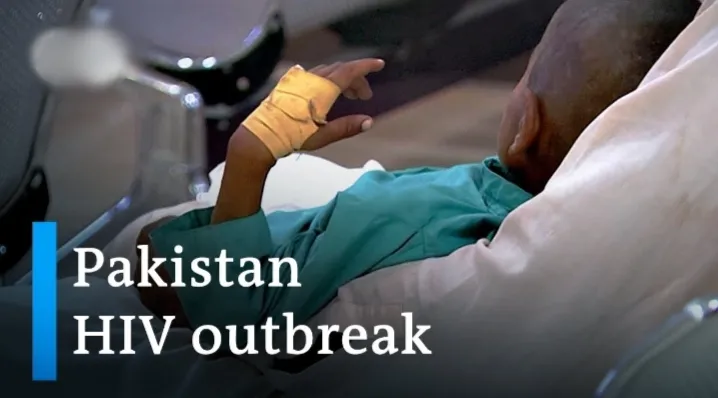
An undercover investigation has revealed serious lapses in medical safety at the Tehsil Headquarters (THQ) Hospital in Taunsa, Pakistan. This facility has been connected to a significant outbreak of HIV among children, raising alarms after authorities had previously assured improvements. The BBC report, which features extensive hidden camera footage, illustrates repeated breaches of fundamental safety protocols that potentially put hundreds of children at risk of exposure to the virus.

The investigation highlights the case of eight-year-old Mohammed Amin, who tragically died soon after being diagnosed with HIV. The child’s family described his final weeks as torturous, filled with excruciating pain and high fever. Mohammed’s sister, Asma, was later diagnosed with the virus as well. The family suspects both children contracted HIV during routine medical procedures at the THQ Hospital, allegedly via contaminated syringes.

HIV Outbreak Linked to Unsafe Medical Practices

The BBC investigation reveals that between November 2024 and October 2025, a total of 331 children from the Taunsa area tested positive for HIV. Analyses of the families involved suggest that the mode of transmission is unlikely to have been from mother to child, as only four out of ninety-seven tested mothers were found to be HIV-positive. Notably, Mohammed and Asma’s mother also tested negative, which strengthens the suspicion that unsafe medical mechanisms may have facilitated the outbreak.

A provincial screening initiative has identified “contaminated needles” as the mode of transmission in a significant portion of cases. This situation highlights serious concerns regarding the hospital’s adherence to standard medical practices, especially in light of the widespread community impact.

During undercover filming, the BBC recorded several instances of non-compliance with infection control measures at THQ Hospital. This included the reuse of syringes from multi-dose vials, which poses a significant risk of cross-contamination. Medical experts expressed that merely changing the needle does not adequately mitigate the potential dangers if the syringe itself remains contaminated.

Government Response and Public Health Concerns

A joint evaluation by the World Health Organisation (WHO) and UNICEF has also raised serious concerns regarding infection control failures in local health settings, noting the reuse of intravenous tools and inadequate hygiene conditions. While the government has stated that no definitive epidemiological evidence directly connects the hospital to the outbreak, it has acknowledged ongoing risks from the unregulated private healthcare sector and unsafe blood transfusion practices.

Experts point to systemic issues within the Pakistani healthcare system, such as the over-prescription of injections and a lack of medical training, which exacerbate the risks of similar outbreaks. Pakistan is noted for having one of the highest rates of therapeutic injections worldwide, many of which are deemed unnecessary. Medical professionals are often compelled to comply with patient demands, while insufficient supplies in public hospitals encourage dangerous shortcuts.

Impact on Families Facing Stigma

The human cost of this outbreak is profound. Asma, now living with HIV, must cope with lifelong treatment and the severe social stigma associated with the condition. Her family reports that neighbours frequently keep their children away from her, resulting in her isolation and leading to painful questions directed towards her mother about her health condition.

Long or Short, get news the way you like. No ads. No redirections. Download Newspin and Stay Alert, The CSR Journal Mobile app, for fast, crisp, clean updates!

App Store –  https://apps.apple.com/in/app/newspin/id6746449540 

Google Play Store – https://play.google.com/store/apps/details?id=com.inventifweb.newspin&pcampaignid=web_share

Latest News

Popular Videos
