


Southwest Monsoon Withdraws on October 15, Northeast Monsoon Begins
The CSR Journal Magazine

The official withdrawal of India’s southwest monsoon occurred on October 15, paving the way for the onset of the northeast monsoon. This seasonal transition, as confirmed by the India Meteorological Department (IMD), signifies the conclusion of the primary June to September rainy season and the commencement of another significant rainfall period for southern India. The northeast monsoon, often referred to as India’s second monsoon, is particularly vital for Tamil Nadu and adjacent regions, where it contributes a considerable portion of the annual rainfall.

As the southwest monsoon recedes, the northeast monsoon begins to deliver precipitation to various parts of southern India. The change in wind patterns is a key factor in this transition, as winds from the northeast become more prominent, carrying moisture from the Bay of Bengal. This shift can lead to substantial rainfall in the southeastern peninsula.

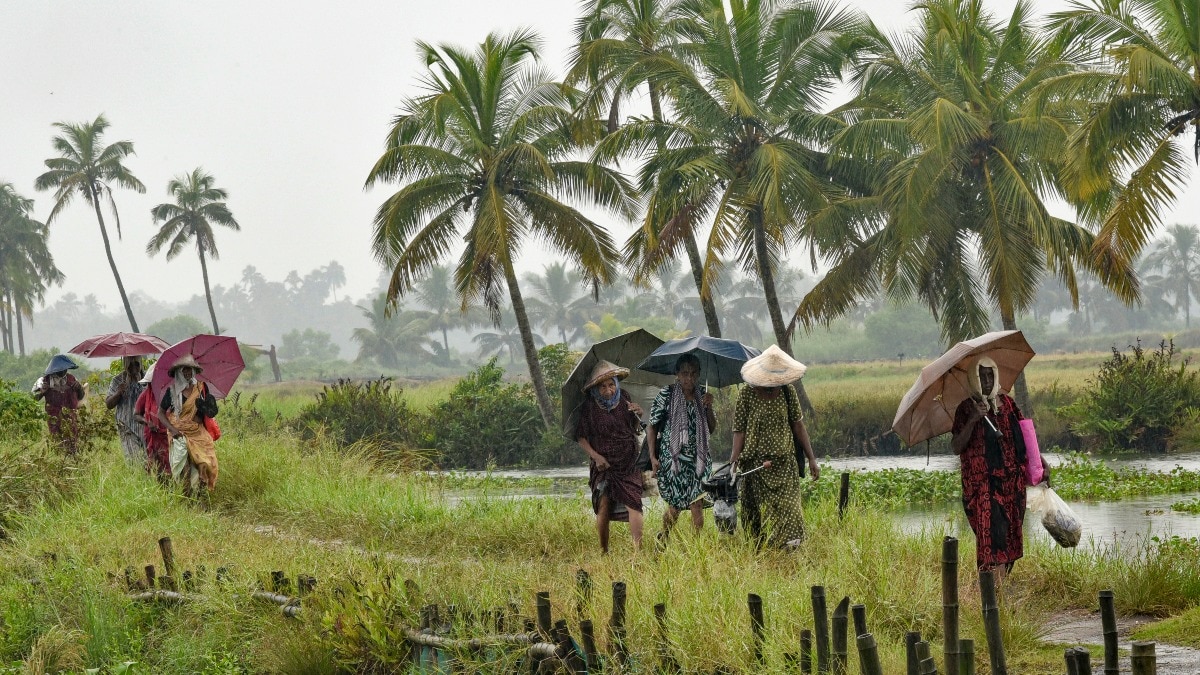
According to the IMD, the northeast monsoon is expected to bring significant rainfall activity, including isolated heavy showers, across Tamil Nadu, Puducherry, coastal Andhra Pradesh, Rayalaseema, south interior Karnataka, and Kerala starting from October 15.

Understanding the Northeast Monsoon

The northeast monsoon typically spans from October to December, following the retreat of the southwest monsoon. Unlike the southwest monsoon, which affects a larger part of the country, the northeast monsoon primarily benefits the southeastern regions. The term “northeast monsoon” derives from the direction of the winds that dominate this period.

During this season, rainfall is also influenced by the formation of low-pressure systems and cyclones over the Bay of Bengal. These weather phenomena can sometimes result in intense downpours within a short timeframe, contributing to the overall precipitation levels experienced during the northeast monsoon.

For states like Tamil Nadu, Puducherry, and parts of Karnataka and Kerala, the northeast monsoon is essential for agriculture, water reservoirs, and drinking water supplies. Tamil Nadu, in particular, relies heavily on the rains during these months to meet its annual water needs.

Significance of the Northeast Monsoon

The northeast monsoon plays a crucial role in the agricultural cycle of southern India. It is during this period that farmers prepare for the Rabi crop season, which relies on the moisture brought by the northeast monsoon. A significant portion of Tamil Nadu’s annual rainfall occurs during these months, making it a critical time for crop cultivation.

On October 16, the IMD confirmed the commencement of rainfall activities associated with the northeast monsoon, indicating that various regions in southern India would experience wet weather conditions. The forecast suggests that this wet spell could last until October 21, with potential for isolated heavy rainfall in several areas.

As the retreating southwest monsoon gives way to the northeast monsoon, this transition highlights the interconnectedness of India’s monsoon systems. While many parts of the country begin to experience drier conditions, the northeast monsoon ensures that southern India enters a new rainy season, providing vital water resources for the region.

Long or Short, get news the way you like. No ads. No redirections. Download Newspin and Stay Alert, The CSR Journal Mobile app, for fast, crisp, clean updates!

App Store – https://apps.apple.com/in/app/newspin/id6746449540

Google Play Store – https://play.google.com/store/apps/details?id=com.inventifweb.newspin&pcampaignid=web_share

Latest News

Popular Videos
