


Magnitude 7 Earthquake Hits Kamchatka; Japan Issues Wrong 9.9 Alert
The CSR Journal Magazine

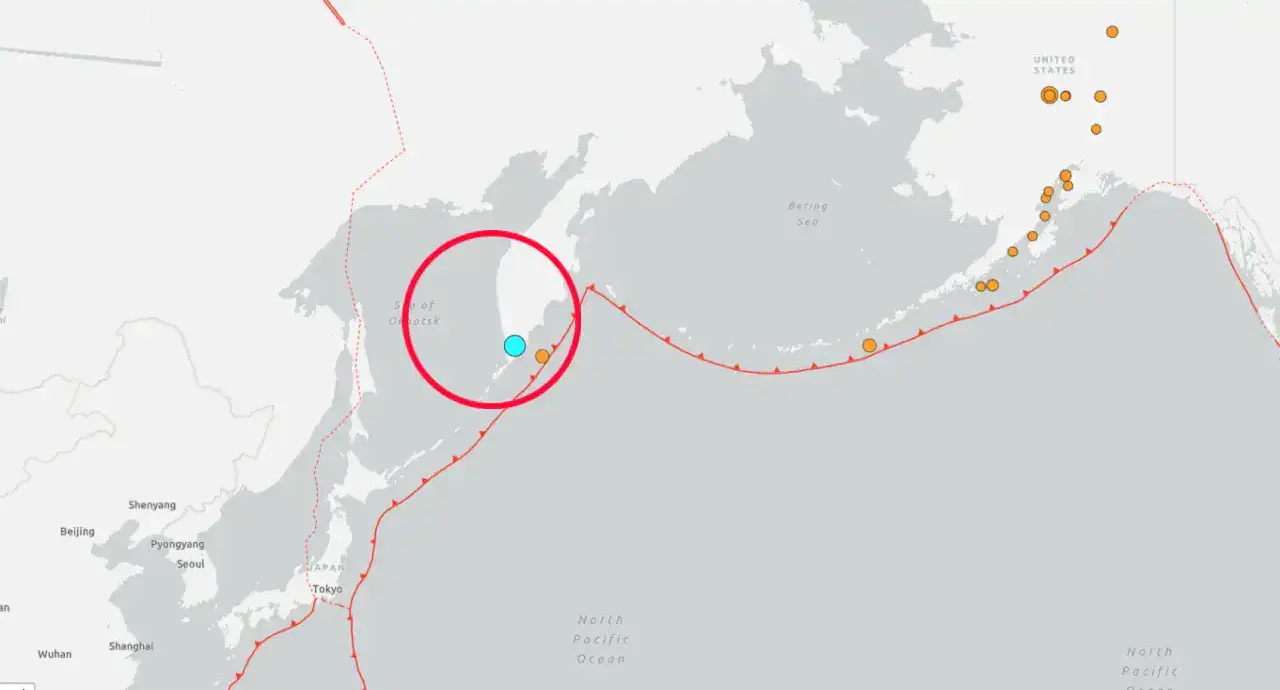
An earthquake measuring 7 on the Richter scale has struck the Kamchatka Peninsula in Russia, as reported by the European-Mediterranean Seismological Centre (EMSC). The seismic event occurred at a depth of 140 kilometres, with its epicentre located approximately 123 kilometres southwest of Vilyuchinsk, a town in Russia’s Far East. The earthquake was recorded at around 3:35 pm local time, prompting immediate attention from various seismic monitoring organisations.

Despite the intensity of the earthquake, no tsunami alert was issued in the immediate aftermath. The US National Tsunami Warning Center confirmed that there was no danger to coastal areas following the tremors. As of now, there are no available reports regarding damages or casualties resulting from this seismic event, leaving the impact largely uncertain.

The Kamchatka Peninsula is situated on the Pacific Ring of Fire, a region known for its high levels of tectonic activity. This area experiences frequent earthquakes due to the movement of tectonic plates, making it a significant focus for seismologists and disaster preparedness organisations.

Japan’s Meteorological Agency Error

In a related incident, Japan’s Meteorological Agency (JMA) mistakenly issued an early warning that estimated the earthquake’s magnitude at 9.9. This erroneous assessment predicted strong shaking across a vast portion of Japan. However, the actual magnitude recorded by the agency was 6.9, as cited by BNO News. The JMA’s initial warning, if accurate, would have indicated the strongest earthquake ever documented, further underscoring the severity of the situation.

The incorrect warning caused concern among residents and officials in Japan, who are accustomed to frequent seismic activity. The JMA has since clarified the situation, stating that their initial readings were incorrect and that the true magnitude was significantly lower than initially reported. This incident highlights the challenges faced by meteorological and seismic agencies in accurately assessing seismic events in real-time.

Following the erroneous warning, there has been a call for a review of the protocols used by the JMA to ensure that future alerts are both timely and accurate. The agency has committed to improving its monitoring systems and communication strategies to prevent similar mistakes in the future.

Historical Context of Seismic Activity in the Region

The Kamchatka Peninsula has a long history of seismic events, with notable earthquakes recorded in previous years. For instance, in July of last year, an earthquake measuring 8.8 off the coast of Kamchatka triggered a tsunami that resulted in significant damage to a coastal village. This event serves as a reminder of the potential dangers associated with seismic activity in the region.

The geological features of the Kamchatka Peninsula, along with its location on the Ring of Fire, contribute to its status as a hotspot for earthquakes. Researchers and scientists continue to study this area to better understand the patterns of seismic activity and to develop more effective warning systems.

As the region continues to experience seismic events, authorities are urged to maintain preparedness and enhance public awareness regarding earthquake safety. The recent earthquake serves as a critical reminder of the importance of accurate information and timely alerts in mitigating the impact of such natural disasters.

Long or Short, get news the way you like. No ads. No redirections. Download Newspin and Stay Alert, The CSR Journal Mobile app, for fast, crisp, clean updates!

App Store – https://apps.apple.com/in/app/newspin/id6746449540

Google Play Store – https://play.google.com/store/apps/details?id=com.inventifweb.newspin&pcampaignid=web_share

Latest News

Popular Videos
