


Houthi Attacks on Saudi Arabia Leave 18 Dead and Widespread Damage
The CSR Journal Magazine

A month has elapsed since the Houthis launched significant strikes on four Saudi cities on September 7, marking a notable escalation in the ongoing conflict between Yemen’s Iran-aligned rebels and the Saudi-supported government. Following this initial assault, the Houthis have continued to target various locations within Saudi Arabia, including airports, energy facilities, and major urban centres such as Mecca. They have reportedly seized over 15,000 square kilometres of territory within Yemen.

The Sanaa Centre for Strategic Studies, a Yemeni think tank, has characterised this period as a “decisive phase unlike any that came before.” The centre emphasised that the stakes are high, affecting the future of the Yemeni state and the societal structure that will prevail in the region.

Extent of the Attacks

Data indicates that since the beginning of September, the Houthis have executed at least two dozen major assaults on Saudi infrastructure. These attacks have targeted airports, oil refineries, pipelines, gas processing and storage facilities, as well as military installations. Some of these targets are located more than 1,250 kilometres from areas controlled by the Houthis.

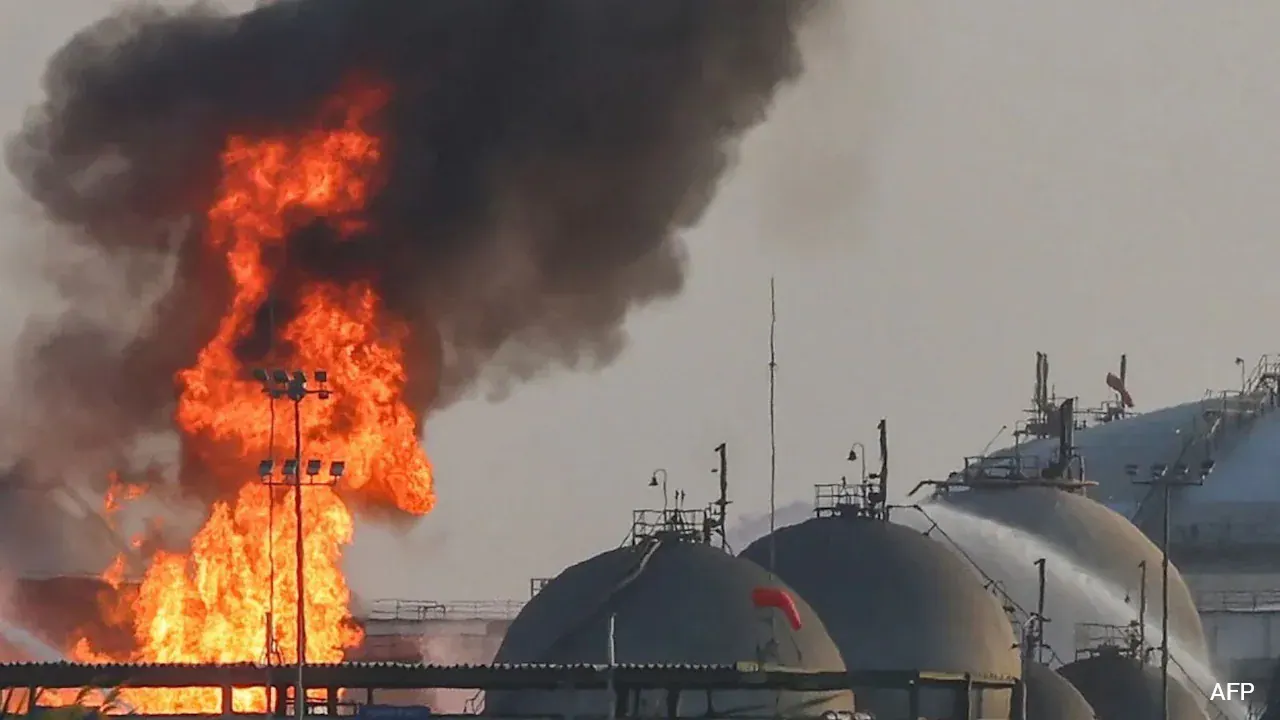
King Khalid International Airport in Riyadh has been struck at least three times within four days, leading to the suspension of flights. Reports suggest that at least 18 individuals have died and around 300 have sustained injuries due to these airport attacks. Other airports in the southwestern cities of Abha, Najran, and Jizan have also faced assaults. Additionally, at least nine energy facilities, including refineries and gas plants, have been targeted by Houthi missiles and drones, as evidenced by satellite imagery.

The frequency and intensity of these attacks have raised concerns regarding the effectiveness of Saudi Arabia’s air defences, which have reportedly failed to protect key installations. This situation has also prompted discussions about the kingdom’s reliance on the United States for security support.

Background and Future Implications

Tensions began escalating in late July when the Houthis announced a maritime blockade on Saudi vessels in the Red Sea. The situation intensified with strikes on cities such as Khamis Mushait, Najran, Jizan, and Abha, resulting in injuries to over 70 individuals and causing damage to oil facilities. Following these attacks, the Houthis launched a rapid ground offensive, capturing key areas along the Red Sea coast near the Bab al-Mandab strait, a crucial maritime chokepoint.

In response, Saudi Arabia has conducted air strikes to support the military campaign of Yemen’s internationally recognised government, which has reportedly made some territorial gains since October 4. Osamah Al-Rawhani, co-executive director of the Sanaa Centre, has stated that defeating the Houthis will be challenging due to their significant military capabilities.

Al-Rawhani further noted that maintaining control and launching counterattacks will necessitate financial resources, political commitment, and resolve from Riyadh. He expressed doubt regarding Saudi Arabia’s ability to sustain a prolonged conflict. An escalation in the conflict could lead to additional attacks on Saudi energy infrastructure, potentially impacting global energy supplies, which are already strained due to Iran’s activities in the Strait of Hormuz. The situation may also provoke Houthi assaults on shipping routes in the Red Sea.

Long or Short, get news the way you like. No ads. No redirections. Download Newspin and Stay Alert, The CSR Journal Mobile app, for fast, crisp, clean updates!

App Store – https://apps.apple.com/in/app/newspin/id6746449540

Google Play Store – https://play.google.com/store/apps/details?id=com.inventifweb.newspin&pcampaignid=web_share

Latest News

Popular Videos
