


Guwahati’s Nocturnal Wildlife Study Records Eight Owl Species
The CSR Journal Magazine

A recent scientific study has documented the presence of eight owl species in Guwahati, revealing urban noise as a significant obstacle in identifying these nocturnal birds. Assam’s Forest and Climate Change Minister, Jayanta Malla Baruah, announced the findings on Wednesday. The research, published in the journal Urban Ecosystems, surveyed 24 out of 33 one-square-kilometre grid cells between November 2023 and July 2025.

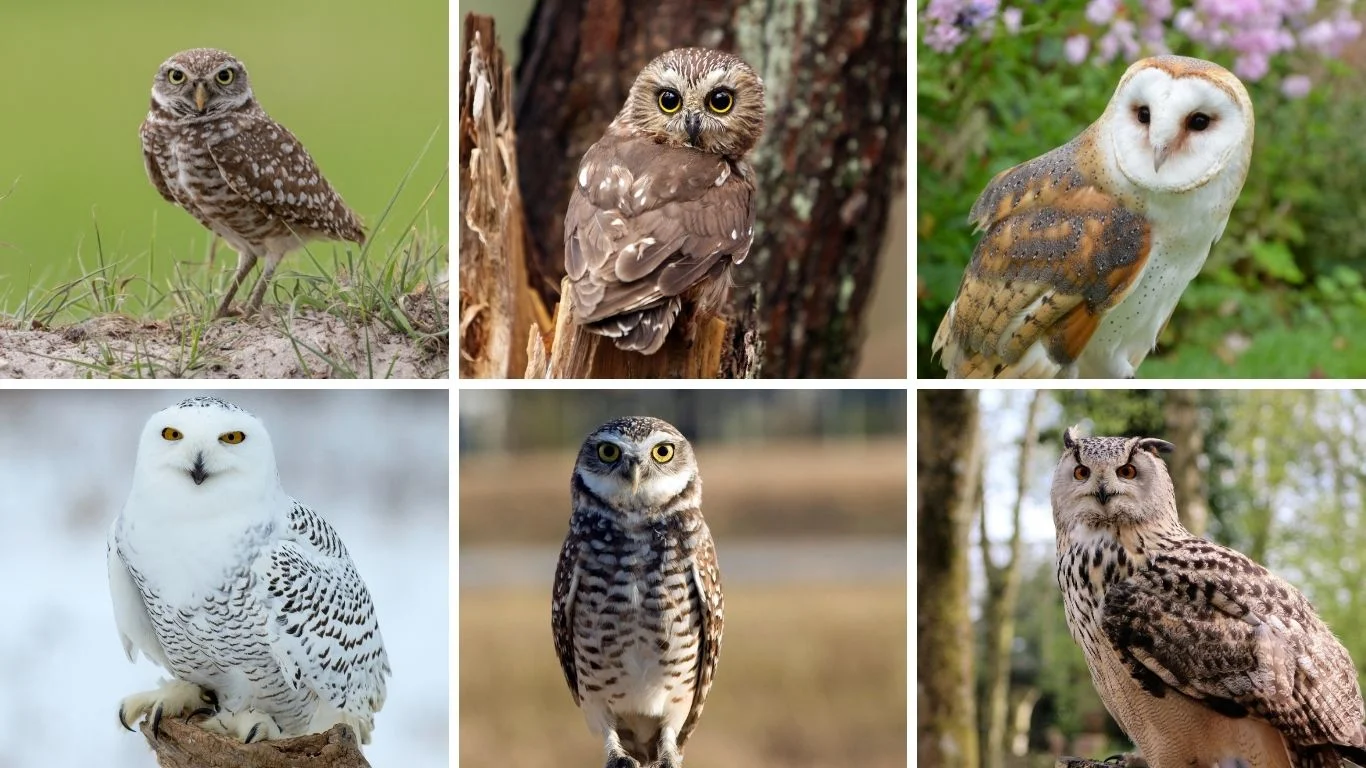
The study found that the Barn Owl and Spotted Owlet were the most commonly detected species. Additionally, six other species were recorded: the Brown Hawk Owl, Brown Fish Owl, Collared Scops Owl, Mountain Scops Owl, Oriental Scops Owl, and Asian Barred Owlet. Minister Baruah emphasised the importance of these findings in showcasing the diverse wildlife that urban areas can support, despite many species remaining out of sight.

Baruah noted that owls play a crucial ecological role, particularly in controlling rodent populations naturally. He underscored the need to protect their habitats, which can benefit both biodiversity and urban communities. The study highlighted that urban background noise, especially from traffic, can mask owl calls, making it challenging to detect their presence. This suggests that an undetected owl during a survey does not necessarily mean it is absent from the area.

Importance of Scientific Monitoring

The research pointed out the necessity for scientific monitoring to consider detection challenges when evaluating urban wildlife populations. Minister Baruah stated that as Guwahati expands, there is a unique opportunity to harmonise development with nature. He advocated for the conservation of existing vegetation, wetlands, mature trees, and green spaces to sustain wildlife habitats amid changing land use.

Baruah further mentioned that addressing noise pollution in urban planning is essential. Strengthening long-term wildlife monitoring can enhance efforts to support urban biodiversity. He reiterated that cities should not only be viewed as spaces for human habitation but also as living environments shared with numerous other species.

By safeguarding green spaces and acknowledging the ecological significance of nocturnal wildlife, Guwahati can progress while preserving its natural heritage. The minister remarked that every owl thriving in the city is a testament to the potential for a greener, more wildlife-friendly urban environment when conservation is integrated into future planning.

Future Directions for Urban Wildlife Conservation

Minister Baruah’s comments reflect a broader vision for urban wildlife conservation in Guwahati. He emphasised that integrating ecological considerations into urban development is vital for fostering a balanced relationship between nature and urbanisation. The presence of diverse owl species serves as a reminder that urban areas can support rich ecosystems.

Looking ahead, the minister called for collaborative efforts among various stakeholders, including government agencies, local communities, and environmental organisations, to promote wildlife conservation initiatives. He highlighted the importance of public awareness campaigns to educate citizens on the ecological value of preserving habitats for nocturnal wildlife.

As Guwahati continues to grow, the challenge will be to ensure that urban development does not come at the expense of its natural ecosystems. By prioritising conservation efforts and recognising the significance of urban wildlife, the city can pave the way for a sustainable future that benefits both its residents and the environment.

Long or Short, get news the way you like. No ads. No redirections. Download Newspin and Stay Alert, The CSR Journal Mobile app, for fast, crisp, clean updates!

App Store – https://apps.apple.com/in/app/newspin/id6746449540

Google Play Store – https://play.google.com/store/apps/details?id=com.inventifweb.newspin&pcampaignid=web_share

Latest News

Popular Videos
