


Former Combat Pilot Shares Insights on Iran Downing US’ F-15E Fighter Jet
The CSR Journal Magazine

Former US F-15E combat pilot Ryan Bodenheimer has shared insights into the tactical difficulties encountered by advanced US fighter aircraft operating in Iran. He underscored that “even the best fighter pilots might not have any options” in challenging scenarios, particularly following the downing of a US F-15E by Iranian forces. Bodenheimer emphasized that while the US has established substantial air superiority over Iranian airspace amid ongoing conflict, threats persist from concealed and mobile defense systems.

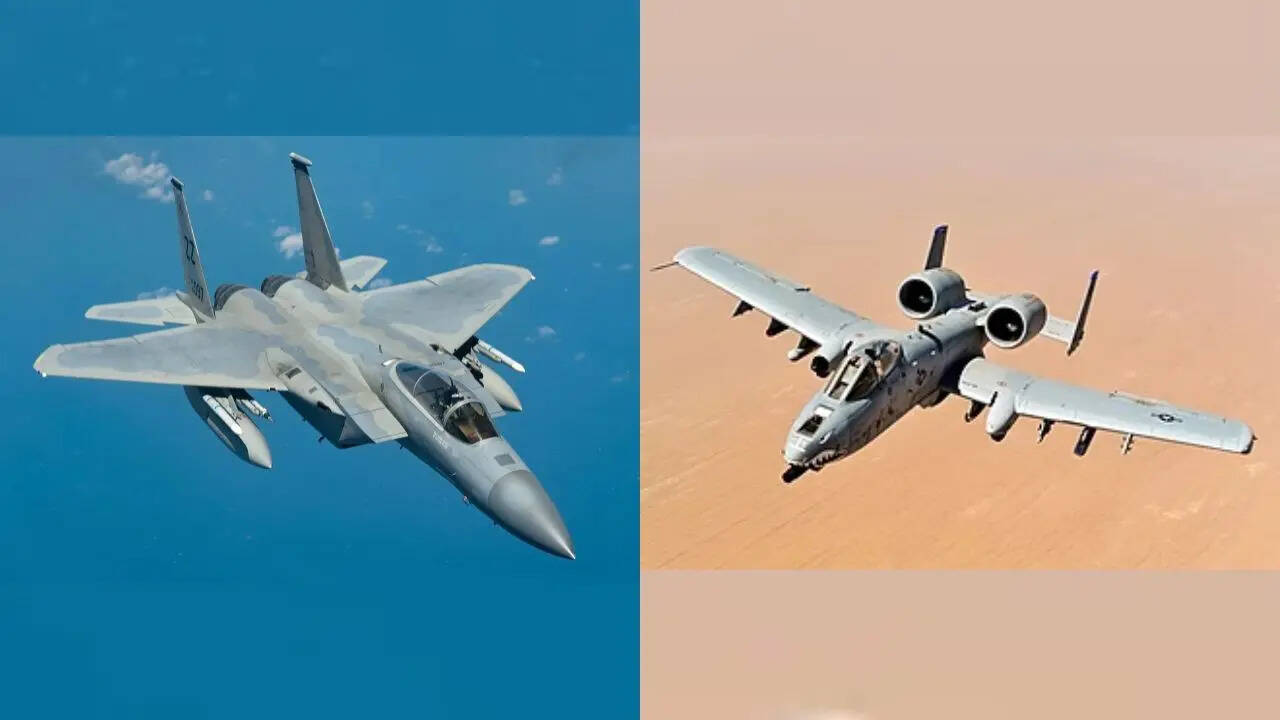
According to Bodenheimer, Iran’s military has been deploying surface-to-air missiles, drones, and ballistic systems from strategically concealed locations, complicating detection and countermeasures. He elaborated on the F-15E being a modified version of the original F-15 platform. Notably, the F-15C was primarily designed for air superiority, whereas the F-15E Strike Eagle is adapted for air-to-ground missions and operates with a two-member crew comprising a pilot and a weapons systems operator.

Bodenheimer asserted that despite the established air superiority, Iranian capabilities to deploy advanced weaponry from hidden locations continue to pose a risk. He stated that even though US aircraft have experienced success in numerous sorties over Iran, consistent exposure to hostile environments increases the risk of losses. He explained that radar systems can be turned on suddenly, catching US aircraft off guard, making them more susceptible to attack.

In terms of defensive mechanisms, Bodenheimer discussed the electronic countermeasures designed for modern fighter jets, which include radar-deflecting chaff and heat-seeking missile-countering flares. However, he noted that Iranian forces might be employing strategies that undermine the effectiveness of these systems. He further highlighted that using flares at night could compromise the aircraft’s position, leading pilots to consider evasive maneuvers instead, which are dependent on their reaction time and situational awareness.

Bodenheimer pointed out that the tactics employed by Iranian missile operators include targeting even the most minimal radar signals, aiming to launch missiles at any detectable aircraft. This level of alertness among Iranian forces, coupled with the challenges faced by US pilots, creates a precarious operational environment. He explained that limitations on the use of countermeasures could leave pilots vulnerable, particularly if they do not have sufficient time to deploy them effectively.

In recent developments, it has been confirmed that an F-15E Strike Eagle has been downed over Iranian territory, marking a significant event as it is the first instance of a US aircraft being lost in the current conflict. While one crew member has reportedly been rescued and is receiving medical treatment, the status of the second crew member remains uncertain. Search and rescue operations are ongoing following the incident.

The evolving military landscape in the region continues to challenge the operational strategies of advanced US fighter aircraft. As the situation progresses, the tactical assessments and experiences shared by experts like Bodenheimer will provide valuable insights into the challenges posed by modern aerial warfare, particularly in complex environments such as Iran.

Long or Short, get news the way you like. No ads. No redirections. Download Newspin and Stay Alert, The CSR Journal Mobile app, for fast, crisp, clean updates!

App Store –  https://apps.apple.com/in/app/newspin/id6746449540 

Google Play Store – https://play.google.com/store/apps/details?id=com.inventifweb.newspin&pcampaignid=web_share

Latest News

Popular Videos
