


India and China Diverge in Statements Regarding Border Issues After PM Modi-Xi Meeting
The CSR Journal Magazine

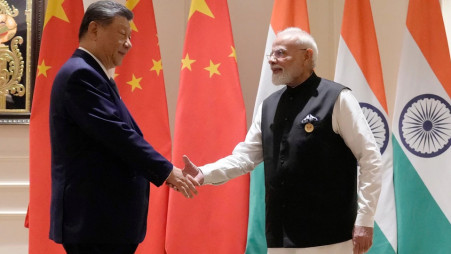
The recent meeting between Indian Prime Minister Narendra Modi and Chinese President Xi Jinping has resulted in notable differences between the two countries’ official statements concerning their bilateral relations and the ongoing boundary dispute. Following their discussions, both nations issued separate statements, each emphasising different aspects of the relationship with respect to the border issue.

In its official statement, China emphasised the need for both countries to make progress on bilateral relations and the resolution of the boundary question simultaneously. Beijing has called for a “parallel, mutually reinforcing progress” approach, suggesting that both aspects should advance together while ensuring peace and tranquillity at the border. This indicates China’s intention to approach the situation from a broader perspective, focusing on overall relations alongside the boundary discussions.

India’s Perspective on Border Peace

India’s statement contrasted sharply with China’s approach. Prime Minister Modi reiterated that maintaining peace and tranquillity in the border regions is fundamental for the ongoing development of bilateral ties. He highlighted the importance of adhering to existing agreements and understandings related to border matters. This reflects India’s stance that the state of border relations must be secure and stable before any further developments in diplomatic relations.

Additionally, the Indian readout noted that both leaders voiced a commitment to finding a “fair, reasonable, and mutually acceptable” resolution to the boundary question. This resolution is intended to consider the larger context of the bilateral relationship and the long-term interests of both nations. India’s emphasis on peace as a prerequisite for furthering relations indicates its priority on maintaining stability along the border.

The differing narratives may reflect underlying tensions, particularly in light of the violent 2020 Galwan clash, which severely impacted diplomatic relations between India and China. Consequently, India views the condition of the border as integral to the overall nature of their bilateral ties, an assertion that contrasts with China’s broader interpretation that allows for progress even amidst unresolved border issues.

Implications for Future Bilateral Relations

The discord in statements could have significant implications for future interactions between India and China. India’s insistence on peaceful coexistence along the border as a prerequisite for enhancing bilateral ties suggests that any deterioration in border conditions could hinder diplomatic progress. Conversely, China’s perspective implies that advancements in broader relations could potentially occur without a conclusive resolution to border disputes.

This divergence in narrative not only reflects their respective strategic interests but also poses challenges for any forthcoming negotiations. The contrast in priorities could lead to complications in reaching mutually satisfactory agreements, particularly regarding security and border management. Hence, the boundaries of dialogue may be tested as both nations navigate these differing priorities.

As both countries continue to engage in discussions, the approach to resolving the boundary issue will be closely watched. The implications of their contrasting statements must not be overlooked, as they indicate not only the status of current relations but also provide insights into both nations’ future diplomatic trajectories.

Long or Short, get news the way you like. No ads. No redirections. Download Newspin and Stay Alert, The CSR Journal Mobile app, for fast, crisp, clean updates!

App Store –  https://apps.apple.com/in/app/newspin/id6746449540 

Google Play Store – https://play.google.com/store/apps/details?id=com.inventifweb.newspin&pcampaignid=web_share

Latest News

Popular Videos
