


Delhi High Court to Hear PM Modi’s Degree Appeal on Sept 29
The CSR Journal Magazine

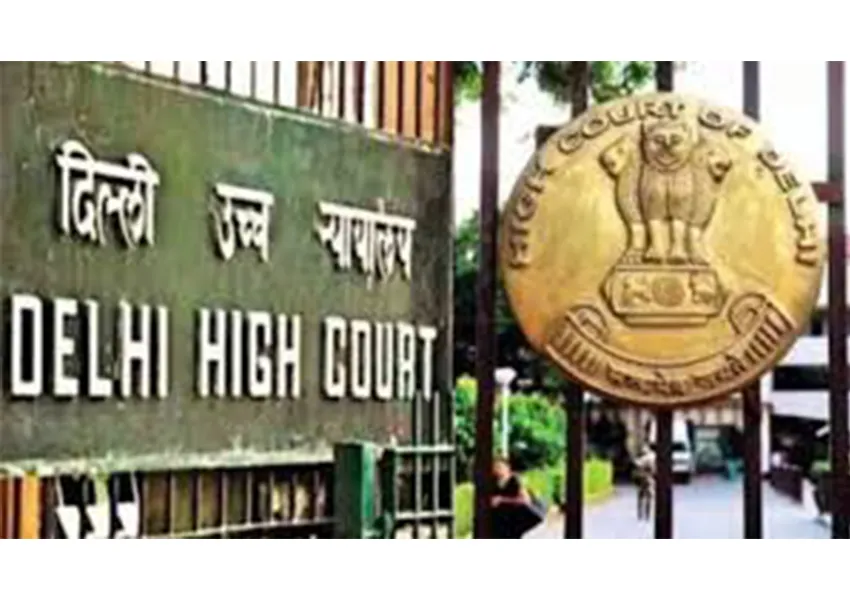
The Delhi High Court has scheduled a hearing for September 29 regarding appeals that seek transparency concerning Prime Minister Narendra Modi’s bachelor’s degree. This announcement comes following requests for an earlier date from Solicitor General Tushar Mehta, who represented Delhi University during the proceedings. The Division Bench, which consists of Chief Justice Devendra Kumar Upadhyaya and Justice Tejas Karia, is addressing these appeals which question a prior single-judge ruling.

The initial single-judge order, issued on August 25, 2025, had overturned a directive from the Central Information Commission (CIC). This directive mandated the disclosure of records pertaining to the Prime Minister’s educational qualifications. During the latest hearings, Solicitor General Mehta suggested that the matter could be postponed for another occasion, seeking a more immediate date for deliberation.

Despite the Solicitor General’s request, the Bench determined that it would proceed with the scheduled date of September 29, emphasising the need for proper timing in addressing the appeals. Mehta’s insistence on an earlier listening was noted, but the court stated it had reviewed its schedule before making a decision.

Key Parties Involved

The appeals are being brought forth by several notable individuals, including RTI activist Neeraj, Aam Aadmi Party leader Sanjay Singh, and advocate Mohd Irshad. Their collective action stems from a common concern regarding the transparency of educational qualifications of individuals holding high public office. This case has attracted attention due to its implications for public knowledge and accountability.

The conflict originated from a Right to Information (RTI) application submitted by Neeraj. In response to this application, the CIC had, on December 21, 2016, allowed for the inspection of records concerning students who completed their BA examinations in 1978, the year in which PM Modi is reported to have graduated. This inspection was based on a desire for accountability and transparency surrounding public office holders.

As the appeals progress, the implications for public interest and the balance between personal privacy and transparency will remain focal points of legal discussion. The single judge ruling had highlighted crucial distinctions about the public’s right to know and the confines of such disclosures in relation to personal information.

Implications of the Single-Judge Ruling

The single-judge ruling that is being contested held that the status of an individual in public office does not automatically obligate them to disclose personal information. It further stated that there is no “implicit public interest” in the information being sought, which suggests that while transparency is vital, there are limits to what should be disclosed. The court indicated that educational qualifications are not mandated for holding public office or fulfilling official responsibilities.

This ruling prompted an outcry from certain quarters, arguing for the necessity of transparency among public officials. The court, while dismissing the CIC’s directive, described its approach as “thoroughly misconceived,” thus opening up a legal discourse on the parameters of the Right to Information Act.

The forthcoming hearing on September 29 will serve as a significant step in evaluating these appeals, as the Division Bench will examine the merits of both sides. The dialogue surrounding the need for accountability in public office is expected to continue as the case unfolds.

Long or Short, get news the way you like. No ads. No redirections. Download Newspin and Stay Alert, The CSR Journal Mobile app, for fast, crisp, clean updates!

App Store –  https://apps.apple.com/in/app/newspin/id6746449540 

Google Play Store – https://play.google.com/store/apps/details?id=com.inventifweb.newspin&pcampaignid=web_share

Latest News

Popular Videos
