


Delhi HC Suspends JNU Admissions Over Deprivation Points System
The CSR Journal Magazine

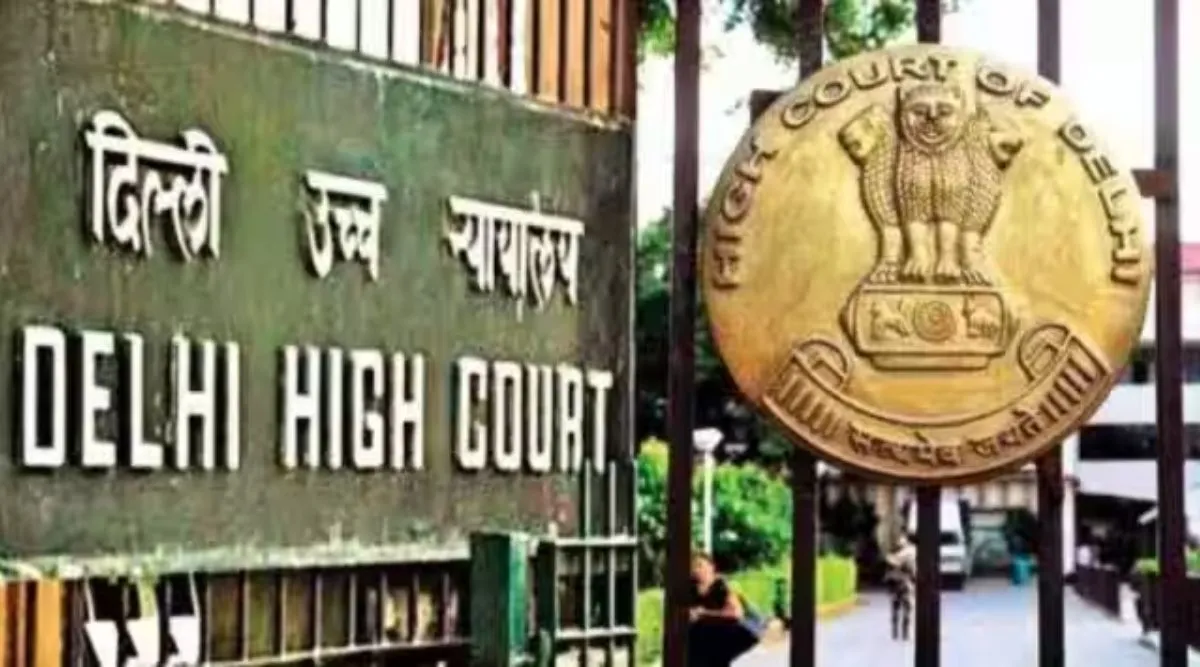
The Delhi High Court has mandated Jawaharlal Nehru University (JNU) to suspend all admissions related to its “deprivation points” system for the academic year 2026-27. This directive comes in response to concerns that the system may allow the university to artificially inflate candidates’ scores in the Common University Entrance Test (CUET). Justice Jasmeet Singh issued the ruling while examining a petition contesting the legitimacy of the deprivation-point approach.

The petition was filed by Amit Mehra, who is seeking admission into postgraduate studies. It challenges Section V of JNU’s e-Prospectus, arguing against a provision that allows candidates to receive up to 12 deprivation points based on criteria including the geographic location of their prior education. These points could significantly affect overall scores, with a single point equivalent to three marks, potentially yielding an additional total of 36 marks for a candidate.

The court’s next session is scheduled for August 24, during which the university’s deprivation-point policy will be further scrutinised.

Details of the Deprivation-Point Policy

The deprivation-point system has been designed to offer an opportunity for increased representation of students from diverse backgrounds across India. JNU’s legal team defended the policy, asserting that it aligns with the requirements of the Jawaharlal Nehru University Act, 1966, which mandates special measures for inclusivity. According to the university, this approach has been thoroughly evaluated and approved by its Academic Council.

However, the court has raised fundamental questions about the propriety of the policy. It noted that allowing JNU to modify scores after an entrance examination could lead to significant issues related to the integrity of the admissions process. Justice Singh highlighted that the provisions cited by JNU do not expressly authorise adjustments to scores attained in competitive assessments.

The court acknowledged the university’s argument that this policy is aimed at helping students from various regions, yet it emphasised that the sanctity of competitive examinations should be preserved. Given the potential for undermining the fairness of the admissions process, the court decided to maintain a cautious approach by putting the admissions on hold.

Repercussions of the Court’s Order

The court’s ruling also addressed the implications for candidates, mentioning that 1,500 postgraduate and 451 undergraduate students have received offer letters to date. The petitioner’s counsel expressed concern that continuing the admission process based on the deprivation points could lead to irreversible ramifications should the court later determine that such a mechanism is not permissible.

In light of these concerns, the High Court concluded that allowing admissions to progress under the current policy could complicate matters and may make remediation difficult if the ruling later favours the petitioner. Consequently, the court prohibited JNU from finalising admissions based on deprivation points until further legal proceedings are conducted.

The court has formally issued a notice regarding the petition, granting JNU four days to submit a response and has instructed that notice be served on the second respondent through available channels, including electronic means. While this interim ruling preserves the status quo, it does not represent a final judgment on the validity of JNU’s deprivation-point policy, which will be debated at next week’s hearing.

Long or Short, get news the way you like. No ads. No redirections. Download Newspin and Stay Alert, The CSR Journal Mobile app, for fast, crisp, clean updates!

App Store –  https://apps.apple.com/in/app/newspin/id6746449540 

Google Play Store – https://play.google.com/store/apps/details?id=com.inventifweb.newspin&pcampaignid=web_share

Latest News

Popular Videos
