


Delhi Aims to Restore 314-Year-Old Mughal-Era Pond for Rainwater Harvesting
The CSR Journal Magazine

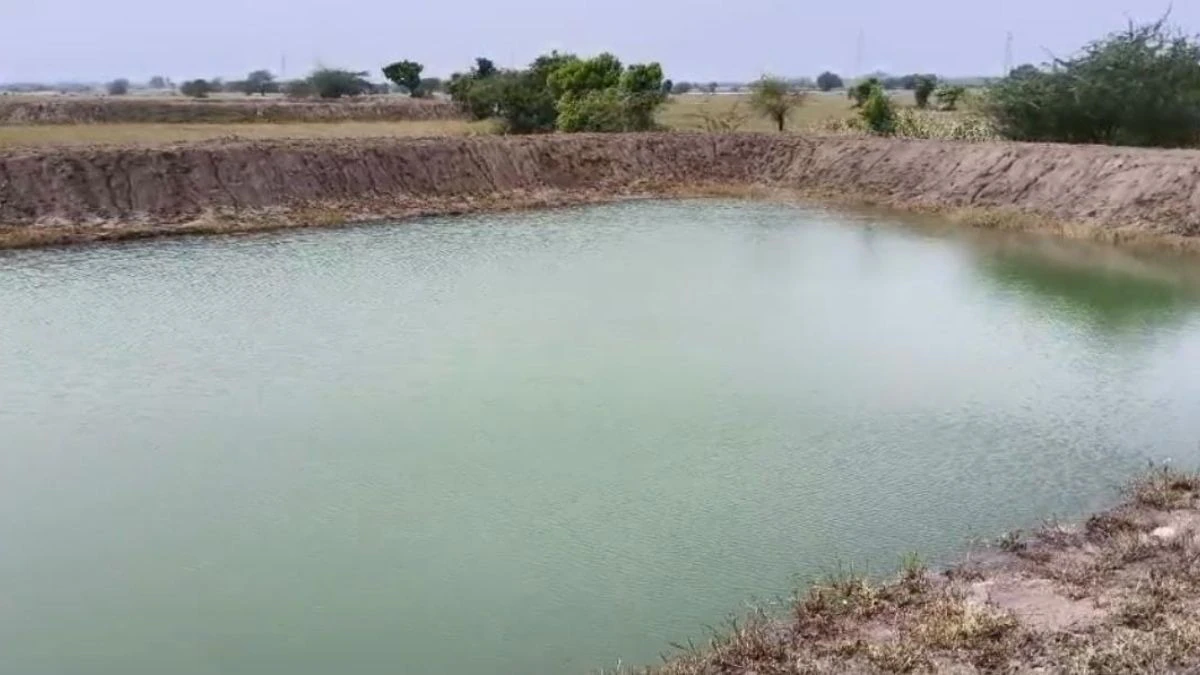
The initiative to revive Kishan Das Talab, a pond with historical ties to Mughal emperor Jahandar Shah, aims to explore its potential for rainwater harvesting and groundwater recharge. This pond, which dates back at least 314 years, is located in a low-lying area behind the Central Road Research Institute (CRRI) campus, extending towards the Okhla Waste-to-Energy plant. Research conducted by Dr Aqil Ahmed, who is the member secretary of the Municipal Corporation of Delhi (MCD) Heritage Cell, has mapped its possible location using historical records and old maps.

On December 9, 1712, Jahandar Shah camped at this site during a struggle for the Mughal throne, approximately 11 km south of Delhi. Dr Ahmed noted that the pond was strategically placed to support a large imperial camp, providing essential resources such as water and fodder, while being conveniently located near a major road. This geographical advantage made it suitable for military encampments during historical conflicts.

Plans for Restoration and Collaboration

The MCD is planning to collaborate with three government agencies: the Delhi Jal Board (DJB), CRRI, and the Delhi Development Authority (DDA), which owns land in the vicinity. The aim is to share findings from the research and assess the feasibility of restoring the pond. While reviving the pond alone may not solve Delhi’s ongoing water crisis, officials believe that a scientifically planned restoration could enhance rainwater retention and groundwater recharge.

Determining the feasibility of the project will require an assessment of the site’s hydrology and the quality of water that could flow into the pond. The historical significance of the water body suggests that its restoration could be a valuable addition to Delhi’s water management efforts.

Dr Ahmed’s research has highlighted the need for further investigation into the area behind CRRI and around Okhla Tank, where the presence of marshy land could indicate the remnants of the historic pond. However, it is essential to establish whether any part of the original basin still exists beneath the surface before any restoration efforts can commence.

Challenges and Future Investigations

Before proceeding with restoration, the relevant agencies will need to confirm the exact footprint of the water body. This will involve comparing historical maps with revenue records, village maps, and older drainage plans. Field surveys will also be necessary to identify any existing physical evidence of the pond, such as depressions or embankments.

If a recoverable section of the original basin is identified, the restoration process could involve clearing debris and reshaping the landscape to facilitate rainwater collection. This proposal comes as part of broader efforts to trace and revive lost water bodies in Delhi, which have historically played a crucial role in water conservation.

In April 2024, the Delhi High Court acknowledged the importance of water bodies in the city during a case concerning drainage and waterlogging. It was revealed that Delhi has 1,367 water bodies, with only 344 verified on the ground at that time. The court’s observations underscore the urgency of restoring these vital resources.

As the MCD Heritage Cell continues its research, the potential restoration of Kishan Das Talab could serve as a significant step towards enhancing water conservation in Delhi, linking the city’s past with its future water management strategies.

Long or Short, get news the way you like. No ads. No redirections. Download Newspin and Stay Alert, The CSR Journal Mobile app, for fast, crisp, clean updates!

App Store – https://apps.apple.com/in/app/newspin/id6746449540

Google Play Store – https://play.google.com/store/apps/details?id=com.inventifweb.newspin&pcampaignid=web_share

Latest News

Popular Videos
