


Death Toll from Nepal Floods Exceeds 1,003 Amid Renewed Alerts
The CSR Journal Magazine

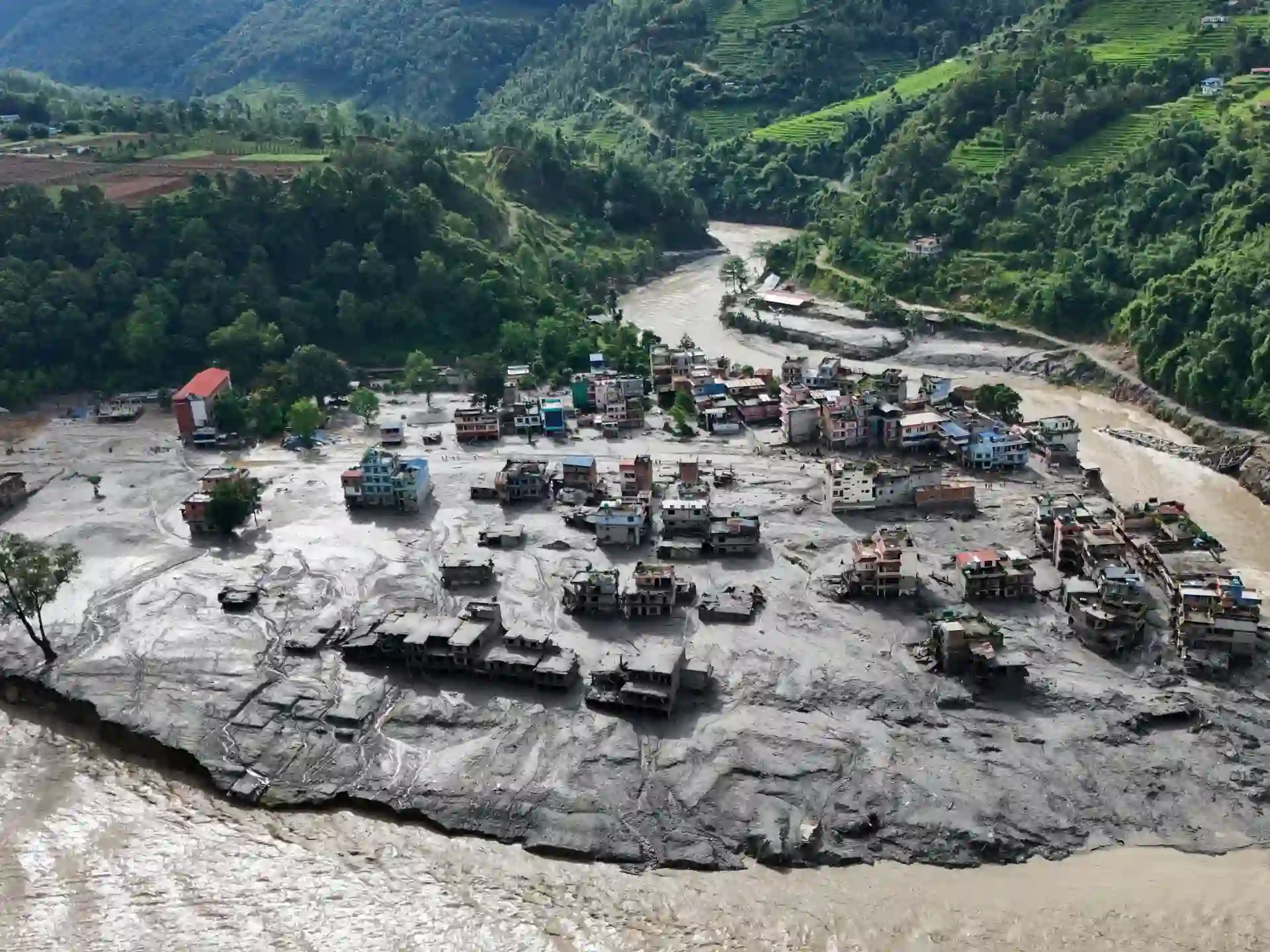
The recent flash floods in Nepal have tragically resulted in over 1,003 confirmed fatalities as of Tuesday, according to official reports. Recovery operations are ongoing in the affected eight districts, with security forces successfully locating more victims. Rescue teams are actively searching for thousands of individuals who remain unaccounted for in the flood-impacted regions.

Intermittent rainfall continues to complicate recovery efforts, heightening the risks of further flooding. The National Disaster Risk Reduction and Management Authority has disclosed that around 4,000 people, including 583 foreigners and numerous security personnel, are still missing. So far, nearly 12,000 individuals have been rescued from various locations.

The flooding crisis began following the collapse of ice and rock near the Nepal-Tibet border on August 26, leading to extensive destruction across northern and central Nepal. The Bhotekoshi River, which flows southward from the mountainous border, has carried the rising waters downstream, inundating homes, vehicles, and infrastructure, including hydropower projects.

Fresh Alerts Issued for Multiple Districts

In light of the ongoing flooding situation, officials have issued new flood alerts for various districts across Nepal. The authority has indicated a heightened risk of flash floods particularly in Nuwakot and Rasuwa, where rising water levels in smaller rivers and streams are anticipated.

Additional areas under alert include districts in eastern, central, and western Nepal, such as Taplejung, Sankhuwasabha, and Kathmandu. Authorities have advised residents in vulnerable locations, especially those near riverbanks, to stay vigilant and to take appropriate precautions as the situation evolves.

Monitoring efforts have intensified, particularly for several key rivers such as the Koshi, Narayani, and Karnali. In a proactive measure, a real-time CCTV system has been installed at Timure in Rasuwa district to closely observe water levels and flood conditions. This technology is intended to enhance the early warning system and provide timely inputs on flood risks.

Government Mobilisation and Impact on Infrastructure

The Nepali government has mobilised over 21,300 security personnel for search and rescue initiatives. Helicopters are conducting regular flights to assist stranded individuals and deliver essential supplies. Energy Minister Biraj Bhakta Shrestha has been actively involved in discussions regarding the current weather conditions and flood threats.

Significant infrastructure damage has occurred as a result of the floods. Reports indicate that 19 motorable bridges and numerous roads, including critical trade links with China, have been washed away. As a precautionary measure, authorities have imposed one-way traffic regulations on major highways to facilitate safer movement for vehicles during this crisis.

Drivers are being directed to use designated routes based on their journey’s origin and destination to alleviate traffic congestion. This adjustment follows the destruction of parts of the highway at Krishnabhir in Dhading district, highlighting the extensive impact of the floods on transportation networks across the country.

Long or Short, get news the way you like. No ads. No redirections. Download Newspin and Stay Alert, The CSR Journal Mobile app, for fast, crisp, clean updates!

App Store –  https://apps.apple.com/in/app/newspin/id6746449540 

Google Play Store – https://play.google.com/store/apps/details?id=com.inventifweb.newspin&pcampaignid=web_share

Latest News

Popular Videos
