


BRICS Surpasses G7 as Russia Dominates India’s Oil Imports
The CSR Journal Magazine

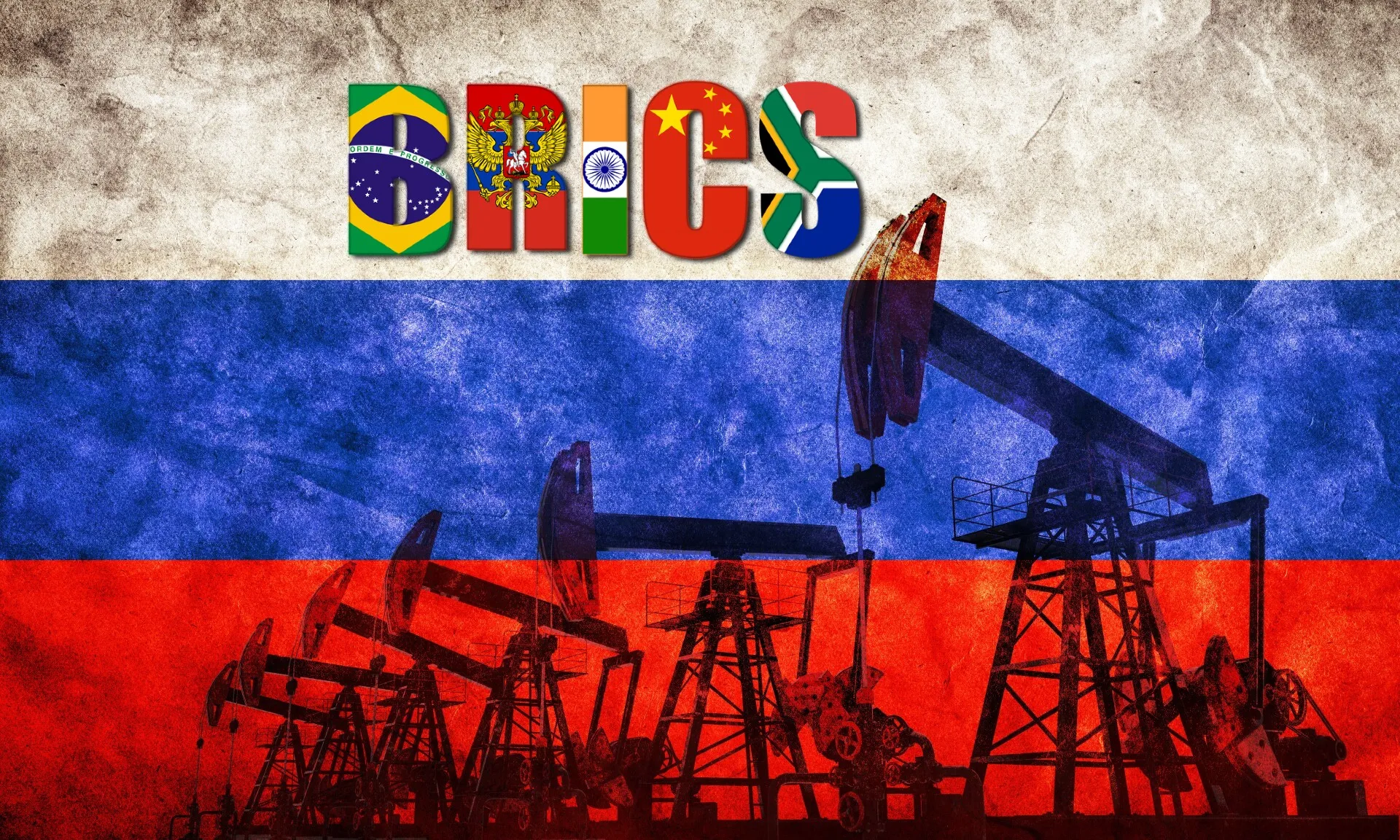
The BRICS bloc, comprising ten emerging economies, is set to gather at Bharat Mandapam on September 12 and 13, marking its growing economic stature. Recent assessments show that the combined output of BRICS countries, when adjusted for purchasing power parity, stands at $88 trillion, far exceeding the G7’s $62 trillion, as reported by the International Monetary Fund in its April 2026 World Economic Outlook.

This economic shift is underscored by changes in trade dynamics, particularly in the oil sector. The new trade data indicates that Russia is earning a significant share of the revenues from India’s petroleum expenditures, a trend that has strengthened notably in the past few months.

The upcoming BRICS Summit additionally commemorates the organisation’s formalisation back in 2006, initially involving Brazil, Russia, India, and China, thereby evolving into a broader ten-member coalition over two decades.

Changing Dynamics in Oil Trade

According to the Directorate General of Commercial Intelligence and Statistics, Russia’s share of India’s oil imports has surged, with nearly 40 per cent of India’s petroleum expenditure now directed towards Russian sources. This marks the largest share recorded over the past five years, surpassing traditional Gulf suppliers like Saudi Arabia and Iraq for the first time.

The geopolitical landscape has also shifted, particularly concerning the Strait of Hormuz, historically a critical route for India’s oil imports. In March 2026, half of India’s crude and refined-product imports were sourced from this strait; however, as of June, this proportion fell drastically to 26 per cent due to evolving regional tensions and operational changes.

Significant events, such as the US-Israeli air campaign and subsequent Iranian maritime responses, have altered the stability of oil transport through the region, thereby impacting India’s import strategies and sourcing from diverse suppliers.

Implications and Future Directions

Since the crossover in purchasing power parity occurred in 2020, the BRICS consortium has gained significant addition with new members like Egypt, Ethiopia, Iran, and the UAE, further strengthening its economic clout. Predictions indicate that by 2031, the G7 will still lead in nominal dollar terms; however, BRICS’s rise reflects the shifting sands of global economic influence.

Russia’s role in India’s oil imports has become increasingly prominent, transitioning from only two per cent in the fiscal year 2021-2022 to a dominant position by June 2026. The steep rise in imports has raised concerns regarding geopolitical implications and responses from other global powers, notably the US government.

Discussions during the ministerial meetings held at Bharat Mandapam in May 2026 included talks on implementing price ceilings for intra-bloc crude oil trades and facilitating rupee-denominated payments for Russian oil. The outcomes of these negotiations will be pivotal in shaping the future collaboration among BRICS members.

Long or Short, get news the way you like. No ads. No redirections. Download Newspin and Stay Alert, The CSR Journal Mobile app, for fast, crisp, clean updates!

App Store –  https://apps.apple.com/in/app/newspin/id6746449540 

Google Play Store – https://play.google.com/store/apps/details?id=com.inventifweb.newspin&pcampaignid=web_share

Latest News

Popular Videos
