


Baba Ramdev Defends ‘Vande Mataram’ Amid Criticism
The CSR Journal Magazine

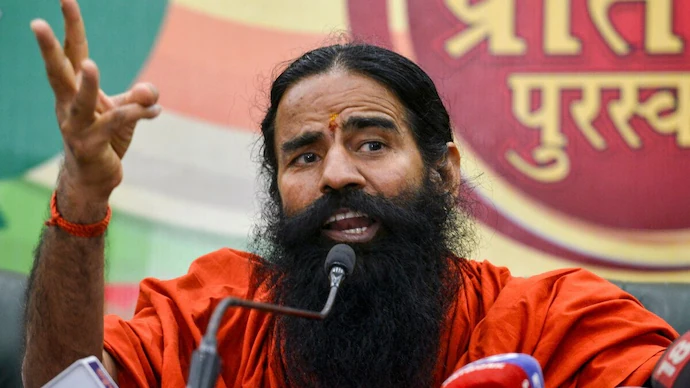
Baba Ramdev, the prominent yoga guru, has come forward to defend the national song “Vande Mataram” against assertions that it promotes the worship of Hindu deities. Speaking at an event in Karnal, Haryana, on August 23, 2026, he expressed that those interpreting the song as referencing deities such as Durga or particular temples lack an understanding of both Sanskrit and Indian culture. He emphasised that Bharat Mata, or Mother India, occupies a pivotal place within Indian cultural traditions.

Ramdev stated that the concept of Bharat Mata embodies everything deemed sacred by Indians, encompassing knowledge, duty, faith, and devotion. He criticised detractors for misinterpreting references to the motherland, asserting that such interpretations should not equate to the worship of specific Hindu goddesses or religious symbols. His remarks indicate a determination to clarify the broader cultural context of the song.

In his discourse, Ramdev articulated that for many Indians, Bharat Mata encapsulates the divine essence. He further stated that the imagery associated with Bharat Mata possessing “ten weapons” serves to highlight her revered status rather than to suggest any prescribed worship of a particular deity, thereby reinforcing his argument concerning the cultural significance of the song.

Controversy Surrounding Religious Interpretations

During his address, Ramdev firmly rejected the notion that “Vande Mataram” is a hymn to specific deities like Saraswati or Durga. He rebuked those linking the song’s references to temples and suggesting it opposes any particular religion. He referred to such interpretations as examples of “intellectual bankruptcy” and called for individuals to cultivate a deeper understanding of Sanskrit and Indian cultural heritage before making judgments about the song.

This discourse comes amidst a backdrop of ongoing political discussions regarding “Vande Mataram” and its varied interpretations. The song has often ignited debates concerning its religious and cultural implications, with some factions perceiving it as contentious in a multicultural society.

Concerns Over Political Protests Involving Children

In addition to defending “Vande Mataram,” Ramdev expressed his views on political protests. He underscored the importance of operating in accordance with democratic and constitutional principles. Referring to protests in places like Jantar Mantar, he asserted that political power cannot be claimed through disorder or chaos. Ramdev urged those aspiring to leadership roles to seek the mandate of the electorate rather than resorting to disruptive tactics.

Furthermore, he raised concerns about young children being encouraged to participate in political protests. Ramdev urged that minors, particularly those aged five to ten, should not be thrust into situations involving confrontations with authority figures. He advocated for political movements to engage individuals above the age of eighteen and to adhere to democratic values.

On the subject of his future initiatives, Ramdev stated that any significant movement should prioritise educational transformation. He advocated for the concept of “one nation, one education,” alongside “one nation, one election,” to streamline the educational framework while incorporating Indian knowledge systems. He argued that reducing teachers’ responsibilities related to elections could enhance educational quality.

Ramdev concluded by emphasising that a simultaneous electoral process and a unified education system could provide better outcomes for the nation, revealing his intentions to focus on these issues moving forward.

Long or Short, get news the way you like. No ads. No redirections. Download Newspin and Stay Alert, The CSR Journal Mobile app, for fast, crisp, clean updates!

App Store –  https://apps.apple.com/in/app/newspin/id6746449540 

Google Play Store – https://play.google.com/store/apps/details?id=com.inventifweb.newspin&pcampaignid=web_share

Latest News

Popular Videos
