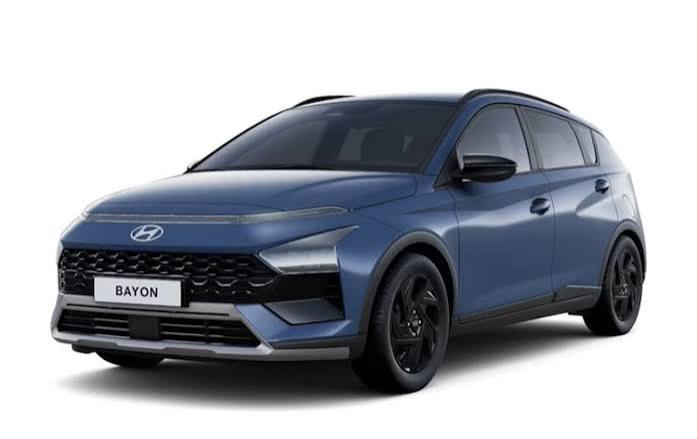
Hyundai Motor India has officially announced that its forthcoming SUV will be named the Hyundai Bayon. The launch is expected to coincide with the festive season, positioning the Bayon between the brand’s existing models, the Venue and the Creta. This new model is anticipated to be a trailblazer, potentially featuring a factory-fitted CNG powertrain in a vehicle exceeding four metres in length.
Though Hyundai has yet to disclose specific details about the Bayon’s engine configurations, it is rumoured that the SUV will be equipped with a 1.5-litre naturally aspirated petrol engine along with a CNG option. If these plans materialise, the Bayon could be the first SUV of its size in India to offer a factory-fitted CNG system.
The integration of CNG technology has largely been found in smaller vehicles, particularly those designed to remain within the four-metre bracket. Currently, Hyundai offers CNG variants of models like the Exter and Grand i10 Nios, while larger SUVs in its line-up have predominantly operated with petrol or diesel engines.
Insights on Performance and Engine Options
Regarding performance, the anticipated 1.5-litre petrol engine reportedly delivers 115 bhp and generates 143.8 Nm of torque, characteristics also seen in the Creta model. In the Bayon, this engine might be available with a six-speed manual or a CVT, although these transmission options have yet to be confirmed by Hyundai. Details concerning the CNG version’s power output and fuel tank capacity remain unknown.
Hyundai’s introduction of the Bayon with a CNG powertrain may signify a shift in market dynamics, as this could offer a blend of the advantages of a larger SUV with the economical benefits associated with CNG fuel use. This strategic positioning may provide Hyundai with a competitive advantage in a market crowded with sub-four-metre and mid-size SUVs.
In terms of competitors, brands like Maruti Suzuki and Toyota have already ventured into the CNG SUV segment, with offerings such as the Victoris, Grand Vitara, and Urban Cruiser Hyryder. The Bayon could carve out a distinctive niche by catering to consumer demand for practicality alongside cost-effective running expenses.
Design and Features of the Hyundai Bayon
The design of the Bayon, as indicated by recent spy shots, suggests a conventional SUV silhouette characterised by an upright stance and flat roof. Features such as pronounced wheel arches, roof rails, and pull-type door handles are anticipated. The front design is expected to incorporate a split-lighting arrangement, with a higher slim lighting signature complemented by lower-positioned primary lamps.
The side profile showcases a rising window line and a distinctive kink at the C-pillar, while the rear view may display a horizontal light signature, upright windscreen, and a roof-mounted spoiler. The specifications for the India-specific model suggest a more traditional SUV profile compared to its international counterparts.
Inside the cabin, the Bayon is likely to feature a modern dashboard layout with integrated digital displays for both the instrument cluster and infotainment system. Additional features such as a 360-degree camera, sunroof, connected-car technology, and advanced driver assistance systems are anticipated. However, the final list of equipment may differ across various variants.
While Hyundai has not officially released the Bayon’s dimensions or pricing details, the SUV is expected to fill the gap between the Venue and Creta models, with a projected price range of approximately Rs 10 lakh to Rs 15 lakh. If Hyundai proceeds with the CNG variant, the Bayon could solidify its position as the first SUV in India exceeding four metres to offer a factory-installed CNG option.
Long or Short, get news the way you like. No ads. No redirections. Download Newspin and Stay Alert, The CSR Journal Mobile app, for fast, crisp, clean updates!