


Ashok Dham Temple Stampede Highlights Need for Safety in Crowded Spaces
The CSR Journal Magazine

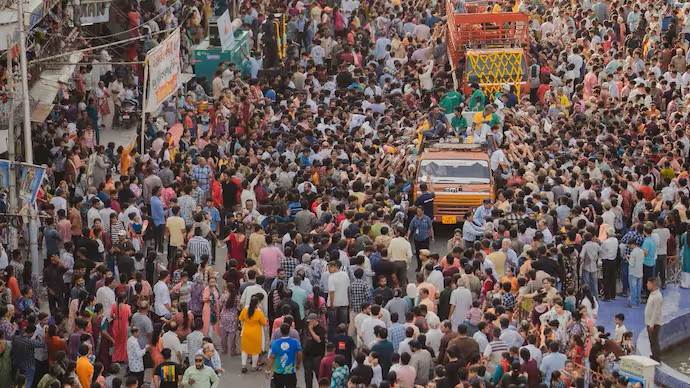
The recent stampede at Ashok Dham Temple in Lakhisarai, Bihar, has drawn significant attention to safety measures in crowded places. This tragic event occurred during a significant religious gathering for the third Monday of Shravan, resulting in the deaths of seven devotees and injuries to more than a dozen others. Officials reported that panic ensued due to an electric wire snapping amidst an already heavy crowd.

Witnesses indicated that the physical pressure from the crowd and the alleged failure of barricading might have contributed to the chaos. Such incidents often lead public discussions on crowd management and safety protocols, particularly during large events where large numbers of people gather.

Understanding the Dynamics of Stampedes

Stampedes can occur in various circumstances, even without any members of the crowd running. A crowd crush typically begins when a large number of people are confined to a small area. Factors such as a sudden perceived threat, causing panic, can greatly disrupt normal crowd movement, which heightens pressure within the group.

Several additional factors can exacerbate crowd dangers, including narrow passages, blocked pathways, inadequate exits, and overpopulation in specific areas. The situation can escalate when those at the back of a crowd continue to push forward while individuals at the front have no space to advance.

Furthermore, the most pressing threat during a crowd crush is not merely being trampled. Instead, extreme crowd density can compress individuals to a point where they struggle to breathe. A person who falls may also find it impossible to get back up due to the overwhelming pressure surrounding them.

Safety Measures in Crowded Environments

It is crucial for individuals attending large events, such as religious ceremonies, concerts, or festivals, to actively assess their surroundings for exits and the least congested pathways before the situation escalates. In the event that the crowd starts to become overwhelmingly dense, it is important to adhere to specific safety protocols.

First and foremost, staying on your feet is vital. Falling can make it exceedingly difficult to get back up. Keeping your hands near your chest with elbows slightly out can protect your breathing space. It is also recommended not to push against the crowd; instead, move with the flow of people while searching for opportunities to navigate towards less crowded areas.

Avoiding bottlenecks, such as narrow gates, staircases, or tightly packed barricades, can also be beneficial. If the movement of the crowd pauses, it is advisable to move diagonally toward the edges rather than attempting to push through directly. Should you fall, curling into a ball and protecting your head and chest, while waiting for an opportunity to rise, is recommended.

The Importance of Recognising Risks Early

One of the simplest yet most effective approaches to reduce risk in crowded settings is to exit before the situation becomes dangerous. Observing the crowd dynamics will allow individuals to leave when movement is still feasible. It is important to note that the safest exit is not always the most obvious one; popular entry points can quickly become overcrowded.

Identifying alternative routes can be crucial for personal safety. Being proactive about crowd management can significantly aid in avoiding potential hazards, cementing the importance of awareness during gatherings.

Long or Short, get news the way you like. No ads. No redirections. Download Newspin and Stay Alert, The CSR Journal Mobile app, for fast, crisp, clean updates!

App Store –  https://apps.apple.com/in/app/newspin/id6746449540 

Google Play Store – https://play.google.com/store/apps/details?id=com.inventifweb.newspin&pcampaignid=web_share

Latest News

Popular Videos
