


Omar Abdullah Refuses To Cut Tricolour Ribbon At Event
The CSR Journal Magazine

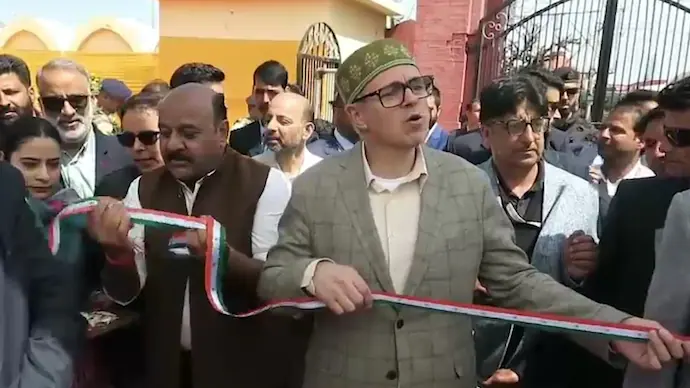
Omar Abdullah’s refusal to cut a ribbon adorned with the Tricolour at a recent event has attracted significant public attention, with a video of the incident circulating widely. The event, which took place on April 15, 2026, has become a focal point for discussions surrounding national symbols and political sentiments.

Details of the Incident

The event occurred in Jammu and Kashmir, where Omar Abdullah was scheduled to inaugurate a public facility. As the ceremony progressed, Abdullah reportedly declined to cut the ribbon, which featured the national flag’s colours. His actions have led to varied reactions from the public, with many expressing surprise and others supporting his decision.

Video footage of the incident has been shared extensively on social media platforms, prompting discussions on the significance of the Tricolour and its role in national identity. Observers noted that Abdullah appeared resolute in his decision, which has sparked debates among political commentators.

Closer examination of the incident reveals that this refusal has occurred in a politically charged atmosphere, especially in the context of Abdullah’s stance on regional autonomy and national integration. Supporters and critics alike are analysing the implications of his actions for local and national politics.

Public Reaction and Media Coverage

The public’s response to Abdullah’s refusal has been mixed. Some individuals have lauded his stance as a bold statement, while others have perceived it as a disrespectful act towards the national flag. Media outlets have covered the story extensively, reflecting a range of perspectives from both supporters of Abdullah and those who oppose his actions.

Social media has been a major platform for discussion, with various hashtags trending in connection to the event. Many are calling for further dialogue regarding national symbols and their representation in political events. As opinions continue to surface, it appears that the incident may have broader implications for political discourse in the region.

Analysts suggest that the event might lead to a re-examination of how political leaders engage with national symbols. The ongoing conversation is expected to influence future events and political gatherings, as public sentiment evolves in response to Abdullah’s actions.

Implications for Future Political Events

The refusal to cut the Tricolour ribbon raises questions about the expectations and responsibilities of public figures during ceremonial events. Such instances often highlight the intersections between personal beliefs, political ideology, and national pride. Abdullah’s decision may set a precedent for how political leaders in Jammu and Kashmir and beyond operate in similar scenarios.

Future ceremonies may witness heightened scrutiny around the display and interaction with national symbols, influencing the planning and execution of public events. Political analysts are closely monitoring the implications of such refusals, considering the cultural and political significance of the symbols involved.

As narratives unfold around this incident, it is likely that discussions on national identity and regional autonomy will intensify, particularly in Jammu and Kashmir. The response to Abdullah’s actions may contribute to broader debates about the unity and diversity within India’s socio-political landscape.

Long or Short, get news the way you like. No ads. No redirections. Download Newspin and Stay Alert, The CSR Journal Mobile app, for fast, crisp, clean updates!

App Store –  https://apps.apple.com/in/app/newspin/id6746449540 

Google Play Store – https://play.google.com/store/apps/details?id=com.inventifweb.newspin&pcampaignid=web_share

Latest News

Popular Videos
