


Yemen Approaches Potential Civil War Amidst Houthi Threats
The CSR Journal Magazine

Yemen is reportedly nearing another outbreak of civil war, as recent hostilities jeopardise a ceasefire established in 2022. The conflict signals potential risks to a critical global shipping lane, raising alarm over the movement of oil from the Gulf region. The situation is intricately linked to the ongoing tensions involving Iran and Saudi Arabia, particularly concerning the Houthis—an Iranian-backed rebel faction.

These developments are indicative of a renewed struggle by the Houthis to impede Saudi Arabia’s access to primary shipping routes, specifically aiming to affect operations near the Strait of Hormuz. The ramifications could potentially expand Yemen’s crisis, escalating risks for global trading and oil supplies.

Impact on Humanitarian Conditions in Yemen

Yemen, which is home to more than 40 million inhabitants, remains deeply afflicted by a civil conflict that has resulted in approximately 150,000 fatalities and placed millions on the brink of famine. This humanitarian crisis is among the gravest globally. The ceasefire initiated between Yemen’s internationally recognised government and a broader Saudi coalition has shown signs of deterioration in recent weeks.

The strategic importance of Yemen lies in its geographical position at the southern extremity of the Arabian Peninsula, adjacent to the Bab el-Mandeb Strait, a major conduit for international shipping. As tensions escalate, this area has experienced increased significance, particularly as Iran has targeted maritime vessels in the Strait of Hormuz.

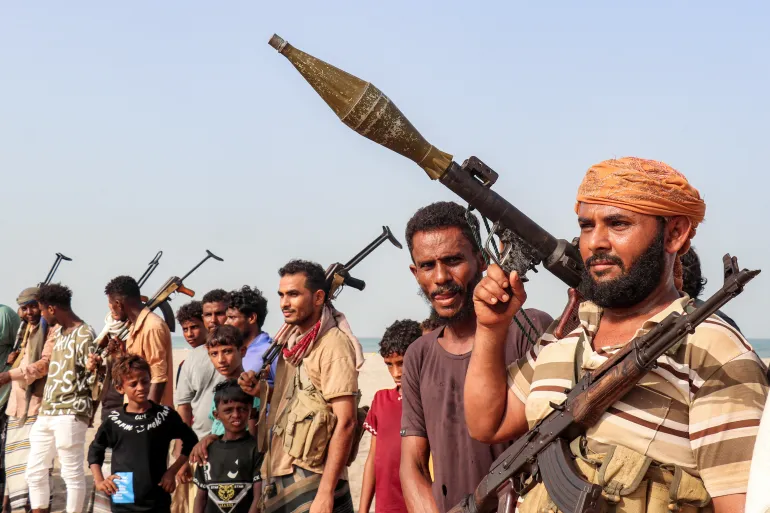
Reports from local residents indicate that Houthi forces have taken control of the vital Red Sea port city of Mokha, previously held by the Yemeni government. This development, if verified, poses significant risks to the delivery of essential food and humanitarian aid, further compounding Yemen’s troubles.

Geopolitical Repercussions of Houthi Actions

The fragile ceasefire had persisted until recent weeks, when the Houthis allegedly challenged a Saudi-led blockade in territories under their control. Following these events, Saudi aerial strikes targeted the international airport situated in the Houthi-controlled capital of Sanaa. The Houthis described these actions as attempts to obstruct a flight carrying leaders returning from the funeral of Iran’s former supreme leader, Ayatollah Ali Khamenei.

Compounding the situation is the ongoing conflict involving Iran, which shapes movement through the Strait of Hormuz. The Houthis have now increased their pressure on Saudi Arabia, potentially by implementing a blockade and targeting Saudi oil shipping in the Red Sea. Iran’s backing of the Houthis aligns with its broader strategy to disrupt oil shipments from the Gulf region.

Among Iran’s proxies, the Houthis have maintained a relatively low profile compared to organisations like Hezbollah and Hamas. This has afforded them some protection from Israeli attacks over the nearly three-year period of conflict in Gaza. However, they faced significant setbacks due to US airstrikes when they attempted to engage in the regional conflict by assaulting vessels allegedly linked to Israel.

With their renewed focus, the Houthis are now targeting Saudi vessels and other assets as the kingdom seeks to transport its oil to international markets via the Red Sea. This corridor is crucial, typically handling goods valued at approximately $1 trillion annually. The increased control and territorial gains by the Houthis along the coastline heighten fears of a wider civil war in Yemen and pose significant concerns for global shipping security.

Long or Short, get news the way you like. No ads. No redirections. Download Newspin and Stay Alert, The CSR Journal Mobile app, for fast, crisp, clean updates!

App Store –  https://apps.apple.com/in/app/newspin/id6746449540 

Google Play Store – https://play.google.com/store/apps/details?id=com.inventifweb.newspin&pcampaignid=web_share

Latest News

Popular Videos
