


Uttarakhand’s Glacial Lakes Face Increased Risks Following Disasters in Nepal and Tibet
The CSR Journal Magazine

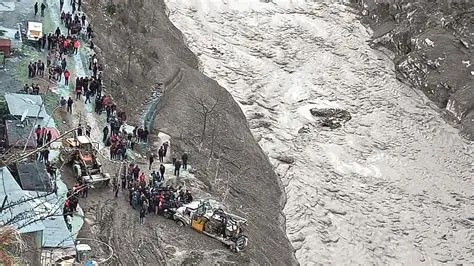
The recent natural disasters in Tibet and Nepal have heightened concerns regarding the safety of glacial lakes in Uttarakhand. Experts have cautioned that a rapid increase in water levels or a Glacial Lake Outburst Flood (GLOF) could lead to catastrophic flooding in nearby areas. Uttarakhand is home to around 426 glacial lakes, with 13 classified as potentially dangerous by the National Disaster Management Authority (NDMA).

Of these 13 lakes, five have been specifically identified as facing significant risk of a GLOF. An occurrence of this nature involves a sudden release of water from a glacial lake, which can result in destructive flooding downstream, posing a serious threat to local communities and infrastructure.

Experts have expressed concern regarding the state’s preparedness to monitor these vulnerable lakes. A number of planned monitoring and early warning systems have yet to be operational, raising questions about how effectively potential hazards can be identified and addressed.

Funding for Early Warning Systems Approved

The Central government has allocated approximately Rs 30 crore for the installation of early warning systems aimed at safeguarding sensitive glacial lakes in Uttarakhand. So far, Rs 8.10 crore of this funding has been released to support these initiatives.

Despite the release of funds, the establishment of monitoring systems and equipment installation at various locations has not commenced due to several technical and logistical challenges. The regions where these sensitive lakes are located are often characterised by difficult terrain, which complicates the implementation of necessary systems.

Plans are underway to equip specific lakes, including Vasundhara Tal and Mabang, with specialised monitoring equipment. However, challenges related to establishing communication networks and dealing with adverse weather conditions significantly hinder progress in setting up these systems.

Identified Vulnerable Districts in Uttarakhand

Five districts known to house vulnerable glacial lakes have been identified as particularly at risk of GLOFs. These districts include Chamoli, which contains Vasudhara Tal and Saraswati Tal, Uttarkashi where Kedartal is situated, and Pithoragarh which hosts Nagkund and Mawang Piyugu.

A GLOF originating from these sensitive Himalayan lakes can drastically alter river flows, resulting in the rapid discharge of large volumes of water downstream. Such sudden flooding has the potential to cause extensive damage to lives and property in the areas adjacent to the affected river systems.

In light of the recent tragedies in Tibet and Nepal, experts are emphasising the urgent need for the timely implementation of monitoring and early warning systems at these vulnerable lakes. Delays in establishing these critical systems underscore the importance of enhancing preparedness measures surrounding Uttarakhand’s glacial lakes to mitigate potential disasters in the future.

Long or Short, get news the way you like. No ads. No redirections. Download Newspin and Stay Alert, The CSR Journal Mobile app, for fast, crisp, clean updates!

App Store –  https://apps.apple.com/in/app/newspin/id6746449540 

Google Play Store – https://play.google.com/store/apps/details?id=com.inventifweb.newspin&pcampaignid=web_share

Latest News

Popular Videos
