


Six Killed in Cyclone Off India’s Eastern Coast
The CSR Journal Magazine

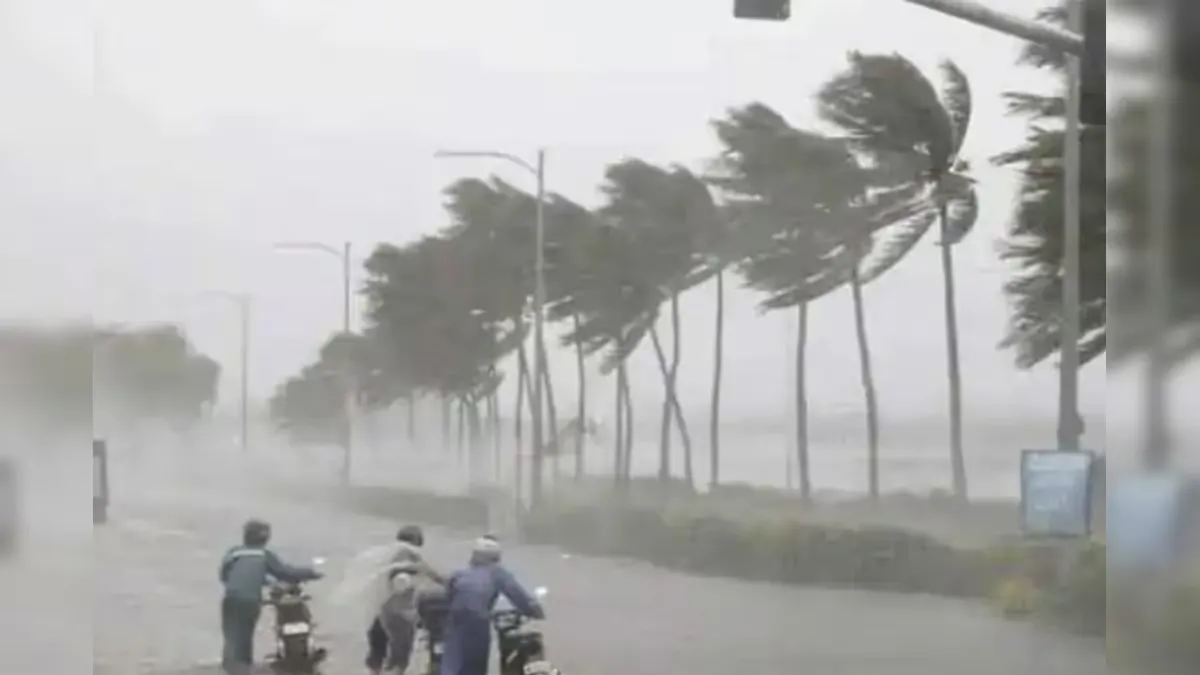
At least six individuals lost their lives following the impact of Cyclone Arnab, which struck India’s eastern coast. This occurred on Thursday, a day after the cyclone made landfall in Andhra Pradesh, bringing with it heavy rainfall and strong winds. Local reports, including one from The Times of India, indicated a higher death toll of nine, attributing these fatalities to electrocution and the collapse of trees and buildings. However, an official from the Andhra Pradesh state government confirmed the death toll as six.

The cyclone, categorised as a very severe cyclonic storm by the India Meteorological Department, is the third-highest classification on its scale. It made landfall early on Wednesday, causing significant disruption in the region. Chief Minister N Chandrababu Naidu reported that approximately 15,000 electricity poles were damaged as a result of the storm, leading to widespread power outages.

Power supply has been restored in most districts, with exceptions noted in Konaseem and West Godavari. The Chief Minister highlighted the advancements in technology that allowed the government to predict the areas most likely to be affected, which helped in minimising the loss of life and property.

Evacuations and Emergency Measures

In anticipation of Cyclone Arnab, more than 180,000 individuals were evacuated from vulnerable areas in Andhra Pradesh and Odisha. The government took proactive measures to ensure the safety of residents, closing schools and cancelling certain train and flight services ahead of the cyclone’s arrival. These preparations were crucial in mitigating potential casualties and damage.

The cyclone formed over the Bay of Bengal, a region known for its susceptibility to tropical cyclones, which have historically caused devastation along India’s eastern coast. The government’s efforts to evacuate residents and prepare for the storm were vital in reducing the impact of Cyclone Arnab.

Despite these efforts, the aftermath of the cyclone has left many areas grappling with the consequences. The disruption of power supply and damage to infrastructure are among the immediate challenges faced by the affected regions. Local authorities are working to assess the full extent of the damage and to restore normalcy as quickly as possible.

Shipping and Maritime Concerns

A cargo vessel, registered under the flag of the Marshall Islands, remains grounded off the coast of Andhra Pradesh. The vessel, which has 20 crew members aboard, has been unable to move due to the rough seas created by the cyclone. Officials are monitoring the situation closely, as the safety of the crew and the vessel is a priority.

Maritime authorities are coordinating efforts to ensure that the crew can be safely rescued if necessary. The grounding of the vessel highlights the broader challenges posed by Cyclone Arnab, affecting not only coastal communities but also maritime operations in the region.

As recovery efforts continue, local governments and agencies are focusing on restoring essential services and supporting those who have been displaced. The impact of Cyclone Arnab serves as a reminder of the vulnerabilities faced by coastal regions in India and the importance of preparedness in the face of natural disasters.

Long or Short, get news the way you like. No ads. No redirections. Download Newspin and Stay Alert, The CSR Journal Mobile app, for fast, crisp, clean updates!

App Store – https://apps.apple.com/in/app/newspin/id6746449540

Google Play Store – https://play.google.com/store/apps/details?id=com.inventifweb.newspin&pcampaignid=web_share

Latest News

Popular Videos
