


Delhi’s Air Quality Index Hits ‘Very Poor’ at 350 Amid Stubble Burning
The CSR Journal Magazine

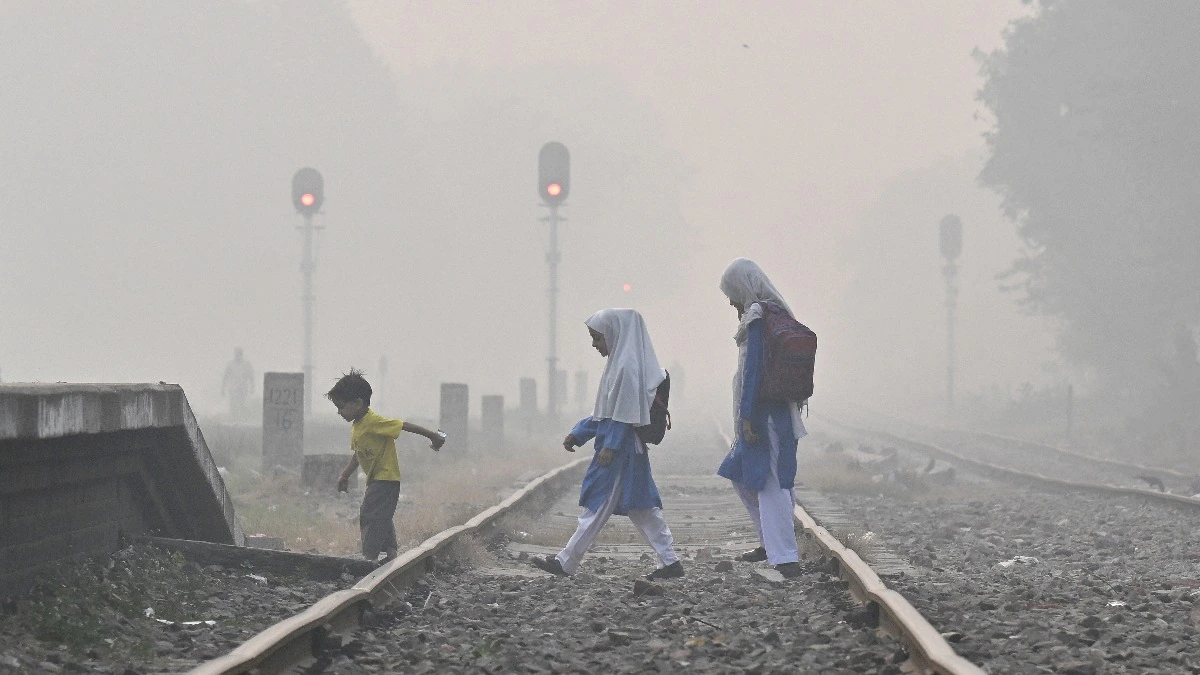
Delhi’s air quality has sharply fallen into the ‘very poor’ category this November, with the Air Quality Index (AQI) reaching 350. This significant decline is attributed to various factors, including the ongoing paddy harvest season and a rise in stubble burning incidents in neighbouring Punjab. The situation has raised concerns among residents and environmental experts alike, as the capital grapples with health implications linked to poor air quality.

Stubble Burning Incidents Increase in Punjab

As of 2 November, Punjab recorded 1,612 incidents of stubble burning. Although the overall number of such cases has decreased since the peak levels observed in 2020, satellite imagery indicates that active hotspots remain in districts such as Tarn Taran, Amritsar, and Sangrur. Furthermore, widespread fires have also been reported in Pakistani Punjab, contributing to the deteriorating air quality in Delhi.

Farmers have expressed their frustrations regarding the lack of viable alternatives to stubble burning. Many claim that without direct financial compensation or subsidies for machinery, they are left with few options. This situation has led to a growing debate about the responsibility for pollution, as farmers question why agriculture is often singled out when vehicular and industrial emissions also contribute significantly to air quality degradation.

Experts have pointed out that local emissions play a crucial role in the current air quality crisis. They argue that while stubble burning is a significant factor, it is essential to consider the combined effects of vehicular emissions, industrial pollution, and construction dust. The complexity of the issue requires a multifaceted approach to effectively address the various sources of air pollution.

Government Response and Public Concern

The government has been urged to take immediate action to mitigate the impact of air pollution. Measures such as stricter regulations on industrial emissions, enhanced monitoring of vehicular pollution, and increased support for farmers to adopt sustainable practices are being discussed. However, the implementation of these measures remains a challenge, as public concern continues to grow.

Residents of Delhi have reported experiencing health issues attributed to the poor air quality, including respiratory problems and increased hospital visits. The situation has prompted calls for urgent interventions to protect public health and improve air quality. Many citizens are advocating for greater awareness and education on the importance of reducing emissions from all sources.

In conclusion, the ongoing debate surrounding Delhi’s air quality highlights the need for comprehensive strategies that address both agricultural practices and urban emissions. As the city faces the repercussions of deteriorating air quality, collaboration between government bodies, farmers, and the public will be essential in finding effective solutions to this pressing issue.

Long or Short, get news the way you like. No ads. No redirections. Download Newspin and Stay Alert, The CSR Journal Mobile app, for fast, crisp, clean updates!

App Store – https://apps.apple.com/in/app/newspin/id6746449540

Google Play Store – https://play.google.com/store/apps/details?id=com.inventifweb.newspin&pcampaignid=web_share

Latest News

Popular Videos
