


US, Canada Close In On Trade Deal As Trump Signals Lower Auto Tariffs
The CSR Journal Magazine

The United States and Canada are moving closer to a trade agreement that could lower some of Washington’s tariffs on Canadian-built cars, trucks, steel and aluminium, according to a source familiar with the negotiations.

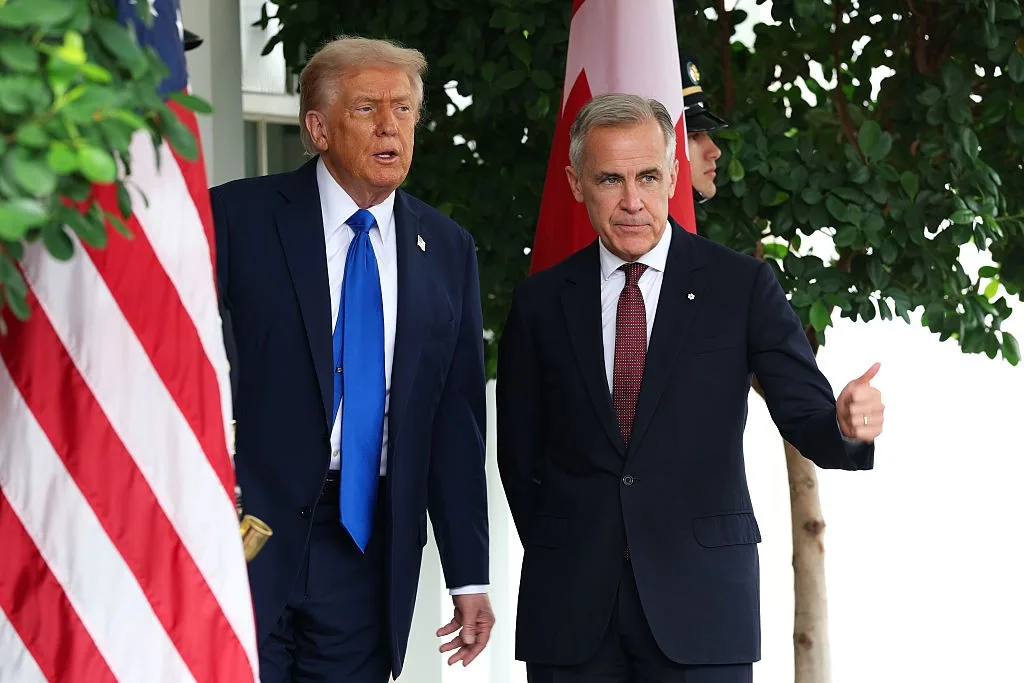
US President Donald Trump had threatened to impose a fresh round of tariffs on Canadian imports from Wednesday but delayed the move until Saturday, citing progress in negotiations. Trump said the United States would “probably have a deal with Canada”, while Canadian Prime Minister Mark Carney said the two countries were “moving towards an agreement”.

Auto Tariffs Could Fall To 15%

Under the proposed agreement, tariffs on Canadian-built cars and trucks could be reduced to 15% from the existing 25%, according to the source. Two auto industry executives said Canada was seeking an even lower rate of 10%.

The proposed 15% tariff would apply before deductions for the value of US-produced content in Canadian vehicles, meaning the effective tariff rate could be significantly lower, the source said.

Industry executives have warned that the existing 25% tariff threatens the viability of domestic automobile manufacturing in Canada.

Steel And Aluminium Tariffs May Also Be Cut

The emerging agreement could also halve the top-line tariff on Canadian steel and aluminium to 25% from the current 50%, according to the source.

However, two industry sources familiar with the negotiations said the lower steel tariff would apply only to a specified volume of imports under a quota arrangement.

One source said the quota was likely to be set at 4 million metric tons annually, with imports above that threshold facing the original 50% steel tariff.

Washington imposed tariffs on Canadian steel, aluminium and automobiles last year under a national security law, prompting Ottawa to introduce retaliatory measures.

Canada’s Provinces Briefed On Negotiations

Carney briefed the premiers of Canada’s 10 provinces on the status of the negotiations on Wednesday afternoon. Canadian Minister responsible for trade with the US, Dominic LeBlanc, described the discussion as constructive and important.

“It was a constructive and, frankly, a very important conversation,” LeBlanc said. “We have more work to do.”

Nova Scotia Premier Tim Houston said Carney had asked provincial governments to return US alcohol products to store shelves. Most provinces had stopped distributing American alcohol in response to tariffs imposed by Trump on Canadian goods last year.

“We’ll work through that process,” Houston said, adding that the move remained dependent on a final agreement that reflected the proposals being discussed.

US Officials Signal Progress

US Trade Representative Jamieson Greer said after meeting Canadian negotiators that the two sides had reached an understanding intended to protect American workers and strengthen the North American economy.

Trump also described the emerging agreement as a “great deal”, while making clear that the final outcome would depend on completing the necessary documents. He said the agreement would mean US manufacturers and farmers would not face tariffs when exporting goods to Canada.

Asked about the US auto tariff, Trump said, “They were paying a high number. We’re reducing it a little bit.”

Saturday Deadline Approaches

Despite the progress, negotiators face a deadline of 12:01 a.m. EDT on Saturday, when tariffs covering approximately $20 billion worth of Canadian goods are scheduled to take effect.

It remains unclear whether the auto tariffs will be settled during the current negotiations or deferred to a broader review of the US-Mexico-Canada trade agreement. That review is expected to continue into next year.

A White House proclamation said senior US officials had been informed that Canada had committed to removing what Washington considers discriminatory or unequal treatment of US alcoholic beverages, cheese and motor vehicles.

Canadian Public Divided Over Further Concessions

The potential agreement comes amid domestic debate in Canada over how far Ottawa should go in making concessions to Washington.

A Leger opinion poll published on Wednesday found that 56% of Canadians wanted Carney to make no further concessions to the United States.

With the Saturday tariff deadline approaching, both governments are continuing negotiations on the terms of an agreement that could ease some of the trade restrictions while leaving broader questions around the North American trade relationship unresolved.

Long or Short, get news the way you like. No ads. No redirections. Download Newspin and Stay Alert, The CSR Journal Mobile app, for fast, crisp, clean updates!

App Store –  https://apps.apple.com/in/app/newspin/id6746449540 

Google Play Store – https://play.google.com/store/apps/details?id=com.inventifweb.newspin&pcampaignid=web_share

Latest News

Popular Videos
