


Understanding the Withdrawal of FIRs in India
The CSR Journal Magazine

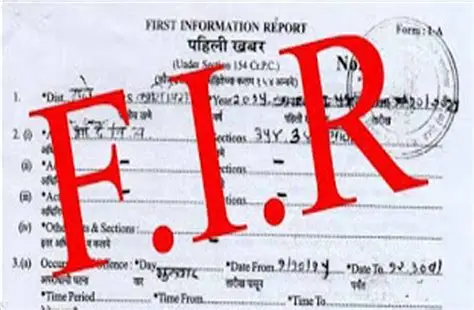
A First Information Report (FIR) signifies the initiation of a criminal case in India. After an FIR is filed, the circumstances surrounding it change considerably. The complainant’s ability to retract the FIR depends on various legal factors, which may not align with their assumptions. Once recorded, the FIR becomes a subject of state interest rather than simply a personal dispute.

Filing an FIR activates the criminal justice system, obliging police to conduct an investigation. The complainant cannot merely request to have the FIR cancelled or expunged, as the matter now involves public interest. Thus, any potential end to the case is predicated on the specifics of the offence and the ongoing legal processes.

Options for Ending an FIR

Even though a complainant lacks the ability to directly withdraw an FIR, there are established legal procedures available that can bring the case to a conclusion. One such pathway is through a police closure report, which the police may prepare if they determine that no offence occurred or that evidence is insufficient for further legal action. This report is then submitted to a Magistrate, who has the jurisdiction to accept or reject the findings.

Additionally, certain offences under Indian law are classified as compoundable, allowing the parties involved to resolve the issue amicably. When this occurs, the court may allow the case to be compounded, effectively terminating the criminal proceedings. However, this is contingent upon both parties reaching an agreement.

Moreover, the High Court possesses the authoritative power to quash an FIR in specific instances. This typically occurs in situations where the involved parties have reached a settlement or the continuation of the case is deemed unjustifiable by the court. The exercise of this power is discretionary and relies on the unique circumstances of each case.

Final Thoughts on FIR Cancellation

The general conclusion is that a complainant cannot typically withdraw or cancel a registered FIR unilaterally. The resolution of an FIR largely depends on various factors such as the nature of the allegations, the relevant laws, and the current status of the legal proceedings. Potential avenues for concluding an FIR include submission of a police closure report, the compounding of offences, or intervention by the High Court.

Ultimately, the landscape for FIR cancellation is complex and varies from case to case. Individuals seeking to understand the process should be aware that there is no universal rule governing the withdrawal of FIRs. Each case must be evaluated on its own merits, taking into account the specifics involved and the applicable legal framework.

Legal practitioners and those affected by the criminal justice system should be informed about their rights and the procedural options available for ending FIRs. Knowledge of these options enables more informed decisions when navigating the complexities of the legal system.

Long or Short, get news the way you like. No ads. No redirections. Download Newspin and Stay Alert, The CSR Journal Mobile app, for fast, crisp, clean updates!

App Store –  https://apps.apple.com/in/app/newspin/id6746449540 

Google Play Store – https://play.google.com/store/apps/details?id=com.inventifweb.newspin&pcampaignid=web_share

Latest News

Popular Videos
