


Trump Considers 7.5 Per Cent Tariff on China Over Low-Priced Exports
The CSR Journal Magazine

The United States President Donald Trump is reportedly evaluating the imposition of a new tariff targeting China, aimed at addressing the issue of underpriced goods flooding the global market. This move, if realised, would further intensify trade tensions between the United States and the world’s second-largest economy. According to multiple unnamed sources familiar with the ongoing discussions, the proposed tariff could be set at 7.5 per cent, a figure that officials believe would not disrupt the current one-year trade truce established between Washington and Beijing.

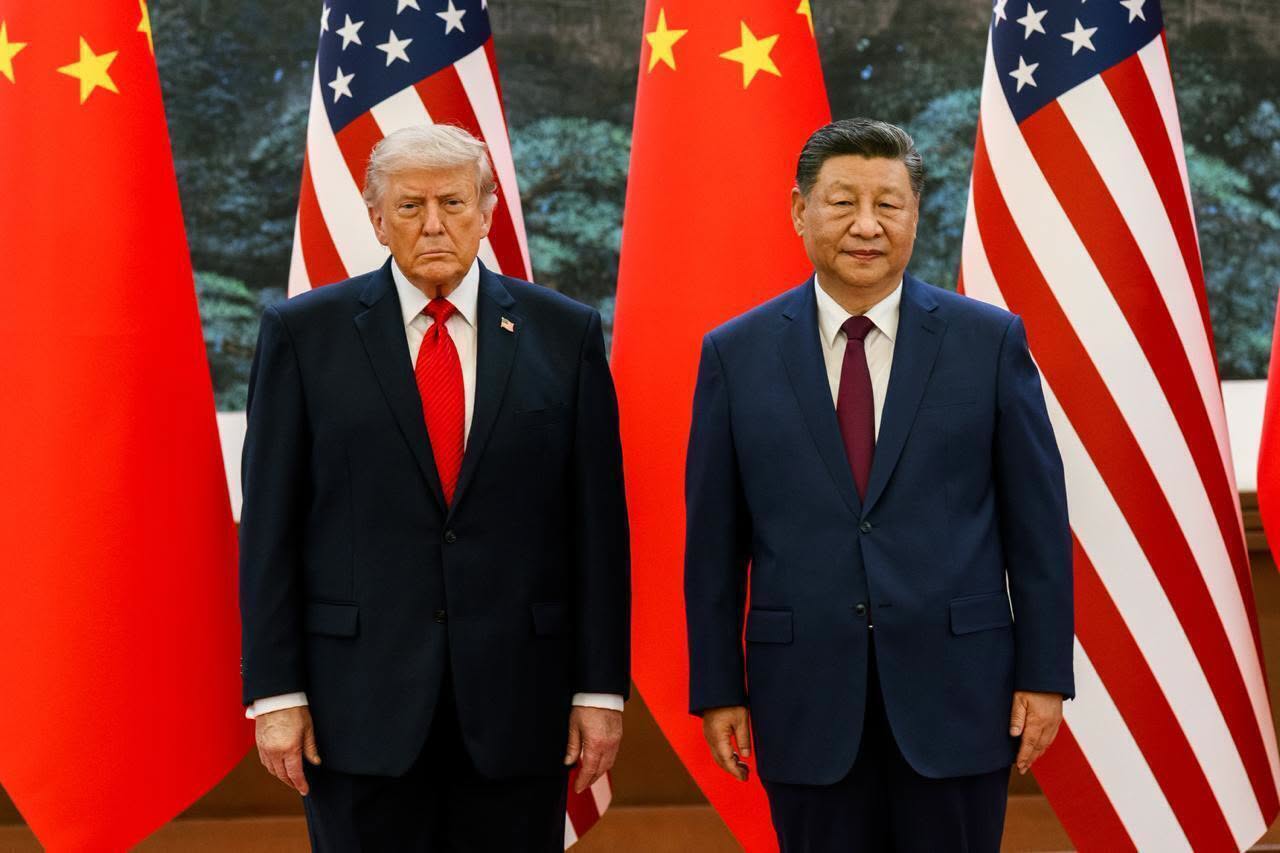
Sources indicated that the tariff, if implemented, would coincide with a scheduled meeting between Trump and Chinese President Xi Jinping that is anticipated to occur in late September. The proposed addition of the tariff reflects a strategic approach from the White House following a recent Supreme Court ruling that annulled Trump’s prior plans for a comprehensive high-tariff policy reminiscent of those from the 1930s.

Earlier investigations announced in March concerning excessive industrial capacity and forced labour regulations in China and several other nations were part of the White House’s response to this judicial ruling. The exact timeline for these investigations remains undefined.

Trade Practices Under Review

The administration has also indicated that it is considering potential investigations into various other economies suspected of unfair trade practices, including numerous countries in Europe and Asia. This includes the European Union, Singapore, Japan, and India among others, although it remains unclear how close the US is to finalising any decisions related to these probes.

Officials from the White House and the Office of the US Trade Representative have not yet commented on the tariff discussions despite inquiries from the media, including Bloomberg News. Additionally, the Chinese embassy in Washington has not responded to requests for clarification on the matter.

The inquiry into China’s industrial capacity was initiated under Section 301 of the Trade Act of 1974. This provision allows the president to impose tariffs on nations found to discriminate against US commerce. Those familiar with the internal deliberations have stated that Trump could potentially reconsider the implementation of the new tariff.

Current Economic Landscape and Trade Relations

If the tariff is adopted, it would be an addition to previously established tariffs of 10 per cent to 12.5 per cent on 60 different economies. These nations are accused by the Trump administration of failing to adequately enforce a prohibition against imports linked to forced labour. Claims made by China regarding the excess capacity issue have been vehemently denied, especially in anticipation of the impending announcement concerning the results of the investigations.

Chinese production sectors, including automobiles and solar panels, have encountered increasing scrutiny amid concerns from trading partners. Despite efforts by Chinese leaders to rebalance the national economy, sluggish domestic demand has compelled companies to seek opportunities in external markets. Consequently, China’s trade surplus hit a record high of nearly USD 1.2 trillion last year.

In a recent report, China’s Ministry of Commerce stated that the country has never pursued a significant trade surplus. The discussions regarding potential tariffs also occur against the backdrop of the US Treasury Department’s warning about impending secondary sanctions on countries maintaining trade relations with Iran, which is noted as China’s largest trading partner.

Long or Short, get news the way you like. No ads. No redirections. Download Newspin and Stay Alert, The CSR Journal Mobile app, for fast, crisp, clean updates!

App Store –  https://apps.apple.com/in/app/newspin/id6746449540 

Google Play Store – https://play.google.com/store/apps/details?id=com.inventifweb.newspin&pcampaignid=web_share

Latest News

Popular Videos
