


Pedro Sanchez Calls Early Elections in Spain Amid Housing Protests
The CSR Journal Magazine

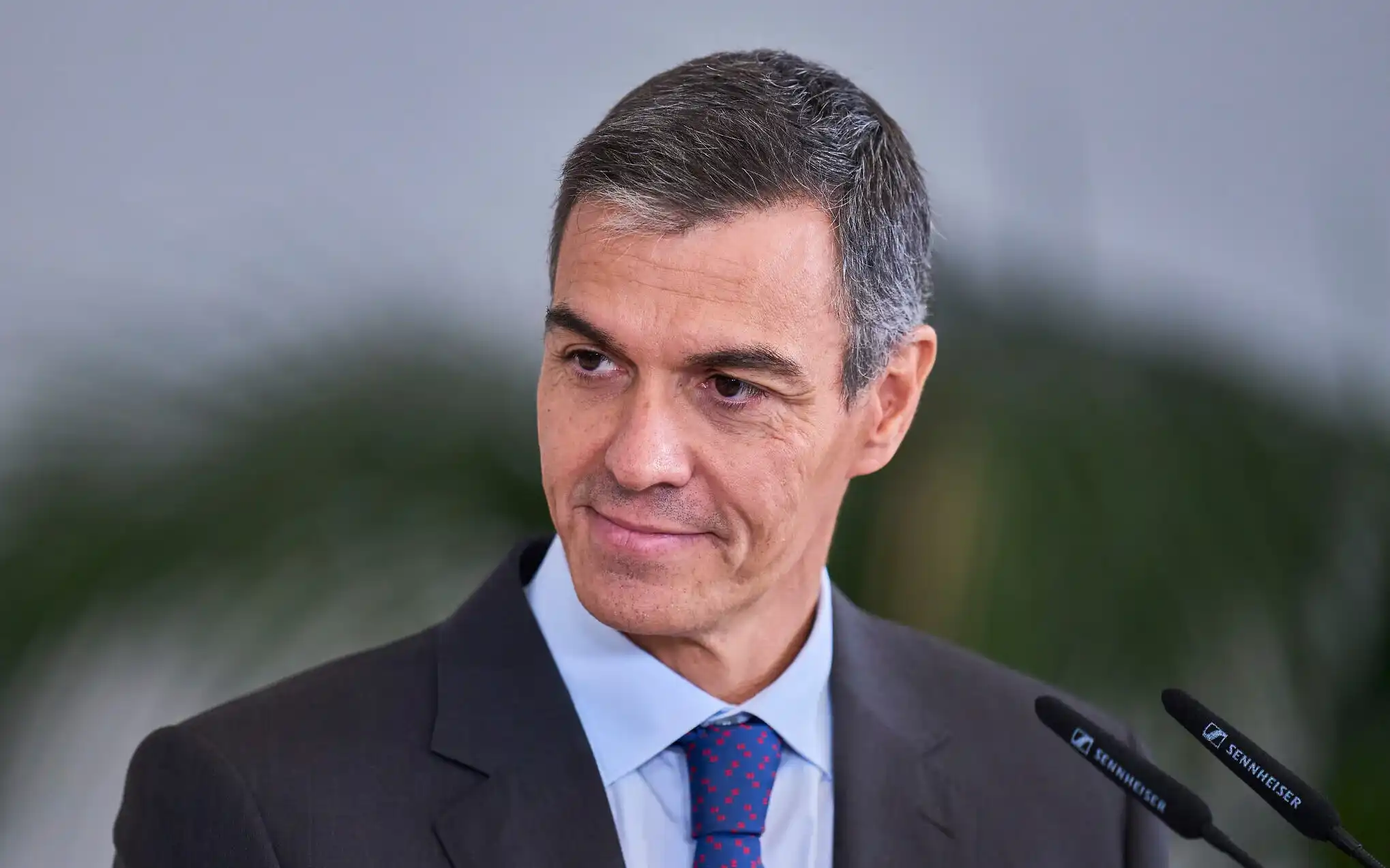
Spanish Prime Minister Pedro Sanchez has declared early general elections scheduled for November 29, eight months ahead of the original timeline. This decision follows weeks of housing protests and increasing pressure on his administration. In light of recent political challenges, Sanchez aims to frame the upcoming elections around issues of affordability and public services.

This development poses significant political risks for Sanchez, as a failed election strategy could potentially pave the way for a right-wing coalition comprising the conservative Popular Party and the far-right Vox party. Such a coalition could lead to the end of one of Europe’s most notable progressive administrations. Before the formal dissolution of Parliament, approval from the Cabinet is required. A Cabinet meeting has been convened for later today to discuss the implications of this announcement.

Public Response and Legislative Setbacks

In recent weeks, widespread protests have taken place in various cities across Spain, with demonstrators calling for urgent action regarding the nation’s persistent housing crisis. Public dissatisfaction surged after the eviction of an 87-year-old woman in Madrid last month captured significant media attention.

Last week, Sanchez’s government faced a considerable setback when opposition parties voted against two emergency decrees aimed at reducing evictions and controlling real estate speculation. This defeat heightened speculation regarding Sanchez’s intention to call for an early election, which was originally scheduled for 2024.

In a nationwide address, Sanchez expressed the importance of allowing the Spanish populace to determine their future and that of their country. He emphasised the choice between endorsing a far-right agenda, which he claims diminishes progress, and maintaining Spain’s commitment to openness and social justice.

Sanchez’s Political Background and Challenges

At 54, Sanchez has held the position of Prime Minister since 2018, making him one of Europe’s longest-serving leaders. He has emerged as a prominent progressive figure internationally, known for his stances on migration, support for Palestine, and critical views towards the US and Israel’s actions regarding Iran. Despite overseeing one of the fastest-growing economies in the developed world, Sanchez has encountered domestic challenges.

These include legal issues involving members of his Socialist party. Both his wife and brother have faced allegations but deny any wrongdoing. Additionally, Sanchez has struggled to manage the influx of tens of thousands of migrants from Morocco into Spain’s North African territory of Ceuta, contributing to a humanitarian crisis that persists two months after the initial surge.

The Electoral Landscape and Political Implications

Since 2023, Sanchez has governed a minority coalition with the left-leaning junior partner, Sumar. His reliance on multiple smaller parties has made passing legislation increasingly difficult. However, he is often characterised as a political survivor capable of winning elections even in challenging circumstances. Political analyst Oriol Bartomeus noted that the timing of the election could favour Sanchez.

It suggests that the housing crisis may allow him to position the contest along traditional left-versus-right lines. As the elections approach, Sanchez will face off against Popular Party leader Alberto Nunez Feijoo, who aims to lead a new government. Feijoo welcomed the announcement, stating that it marks an opportunity for the Spanish people to express their will against Sanchez’s leadership.

Long or Short, get news the way you like. No ads. No redirections. Download Newspin and Stay Alert, The CSR Journal Mobile app, for fast, crisp, clean updates!

App Store –  https://apps.apple.com/in/app/newspin/id6746449540 

Google Play Store – https://play.google.com/store/apps/details?id=com.inventifweb.newspin&pcampaignid=web_share

Latest News

Popular Videos
