


Trump Announces Bid For Majority US Control Of Venezuela Oil Reserves
The CSR Journal Magazine

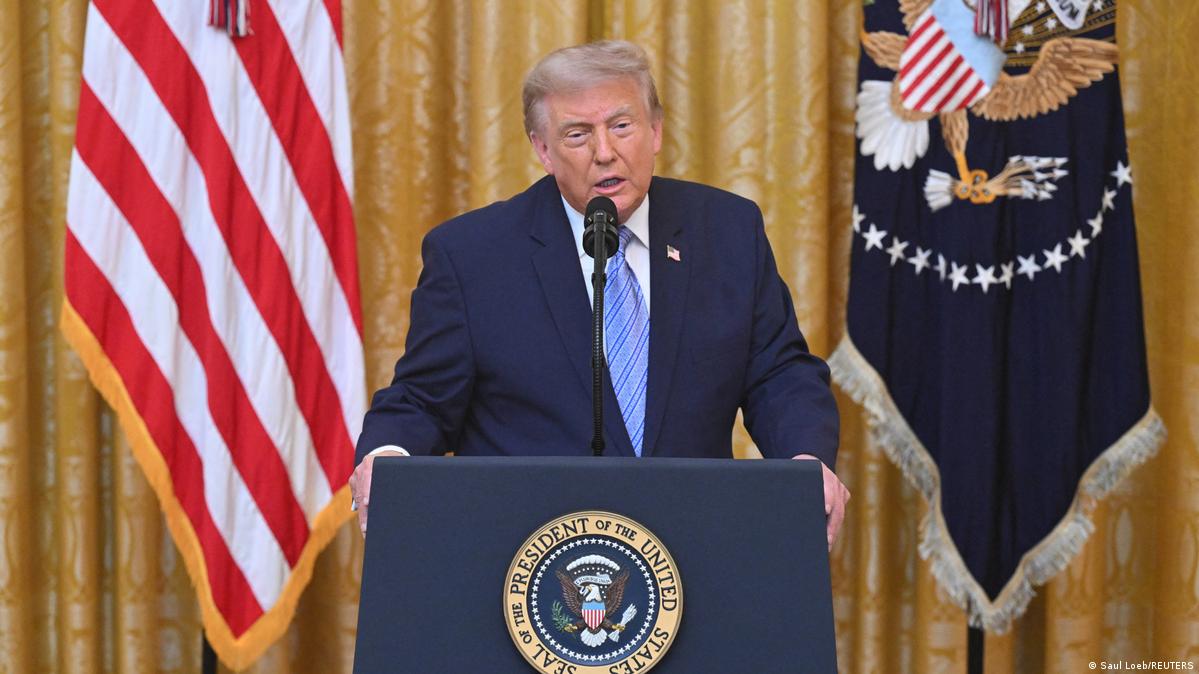
US President Donald Trump has declared an ambitious plan aiming to secure majority control of Venezuela’s oil reserves, estimated at over 65 billion barrels. This unprecedented initiative reportedly follows extensive negotiations between the administrations of Washington and Caracas, which could result in significant benefits for the United States in energy resources.

In a post shared on his Truth Social platform, Trump highlighted that Secretary of State Marco Rubio and Secretary of War Pete Hegseth played pivotal roles in orchestrating an agreement with Venezuela’s interim President Delcy Rodriguez and private companies. The arrangement is designed to grant American entities greater access to Venezuela’s vast oil resources without imposing financial burdens on US taxpayers.

This announcement coincides with Venezuelan officials planning to sign next week new agreements that will grant additional oil exploration and production rights to various companies, with a particular focus on US firms. There are indications that a lease model may be proposed, potentially allowing US producers access to Venezuelan oilfields through a bidding process.

Implications and Challenges Ahead

Should the agreement proceed, it would mark a substantial expansion of US involvement in Venezuela’s energy sector. The Trump administration’s strategy appears to be aimed at revitalising the nation’s oil production, which is presently far below its potential output. Despite possessing the largest proven oil reserves in the world, Venezuela produces approximately 1.25 million barrels per day, hindered by years of inadequate investment and management, along with international sanctions.

Importantly, the structure of this potential agreement remains unspecified. Trump has not detailed which oilfields might be involved, the names of the participating companies, or the means by which the US would exercise majority control over these reserves. These unresolved questions highlight the complexities surrounding the proposed arrangement.

Rubio has commented on the proposal, suggesting that it could yield advantages for both nations. He has stated that American access to this oil would mean a more stable supply and potentially lower gasoline prices while asserting that Venezuela could attract close to $100 billion in private investment, which he claims would create thousands of well-paying jobs and assist in rebuilding its economy.

Expert Opinions and Legal Considerations

Despite the optimistic tone of US officials, analysts express concerns regarding the legal and financial frameworks underpinning the agreement. The specifics of how such a deal could be executed are not clear, and experts note that any effect on gasoline prices could take several years due to the extensive investments needed to develop the oil infrastructure in Venezuela.

Further complicating matters is the uncertainty over whether a lease arrangement, especially one supported by the US government, would hold legal standing within Venezuela’s established constitutional and hydrocarbons laws. This raises critical questions about the feasibility of the initiative.

Amidst these developments, Washington remains focused on ensuring a reliable supply of Venezuelan oil for its refineries, alongside efforts to attract American investments into the energy sector of Venezuela. With the midterm elections approaching in November, the Trump administration faces heightened scrutiny concerning the implications of rising gasoline prices within the United States.

Long or Short, get news the way you like. No ads. No redirections. Download Newspin and Stay Alert, The CSR Journal Mobile app, for fast, crisp, clean updates!

App Store –  https://apps.apple.com/in/app/newspin/id6746449540 

Google Play Store – https://play.google.com/store/apps/details?id=com.inventifweb.newspin&pcampaignid=web_share

Latest News

Popular Videos
