


Supreme Court Refuses Interim Order Against Chief Election Commissioner Gyanesh Kumar
The CSR Journal Magazine

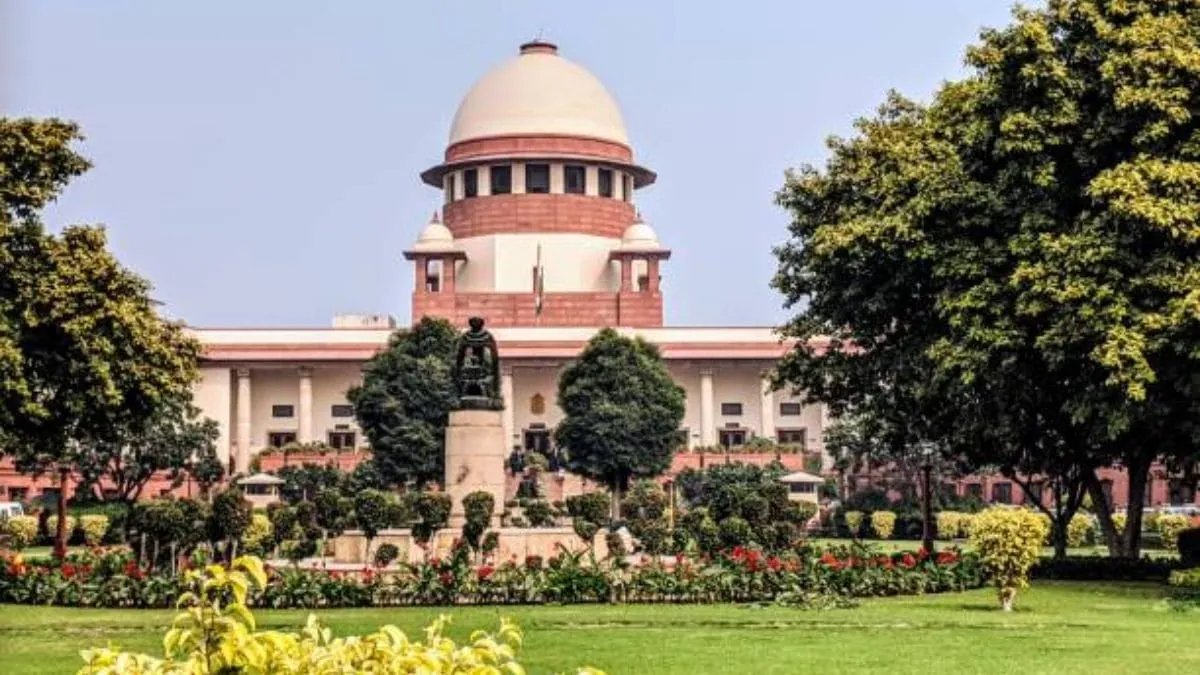
The Supreme Court has declined to grant an interim order to suspend Chief Election Commissioner Gyanesh Kumar. Instead, the court issued notices to the Election Commission of India (ECI), Gyanesh Kumar, and the two other Election Commissioners. This decision comes in light of petitions challenging various decisions allegedly made unilaterally by Kumar on behalf of the poll panel.

A bench led by Chief Justice of India Surya Kant, alongside Justices Joymalya Bagchi and V. Mohana, was considering the legitimacy of the Chief Election Commissioner’s authority to exercise powers that are typically reserved for the multi-member Election Commission as a whole.

During the proceedings, senior advocate Vikas Singh represented the petitioners. He articulated concerns regarding the Election Commission’s credibility, emphasising that the public perceives it to be compromised. Singh argued that the individuals within the Election Commission currently hold more power than any constitutional authority, including the Prime Minister and judges.

Supreme Court Addresses Petitioners’ Concerns

While requesting an interim suspension of Kumar, Singh pointedly warned that if no relief was granted, the situation could escalate dangerously. However, the Supreme Court dismissed the request for immediate action, suggesting that the allegations require a response from the Election Commission for further clarity.

The Supreme Court bench indicated that the Election Commission should respond with transparency. CJI Surya Kant remarked on the necessity of the Commissioners to arrive at unanimous decisions, stating that any lack of agreement should be resolved by majority according to both constitutional and statutory standards.

By ordering notices to the ECI, Kumar, and the other Election Commissioners, the court has effectively prompted these respondents to address the claims raised in the petitions. The issues pertain particularly to the Chief Election Commissioner taking actions without adequately considering the views of the other Commissioners.

Legal Framework Highlighted in Petitions

The petitions invoke Article 324 of the Indian Constitution, which centralises election management within the Commission rather than any individual position. Additionally, reference is made to Section 18 of the Chief Election Commissioner and Other Election Commissioners (Appointment, Conditions of Service and Term of Office) Act, 2023, which is said to reinforce collective decision-making as a requirement for the ECI.

Prior to Monday’s hearing, Vikas Singh had approached CJI Surya Kant on September 29 to highlight the petitions, prompting the court to schedule the hearing for the subsequent week. The litigation seeks to reinforce the collective framework guiding decisions within the ECI, along with an inquiry into the Chief Election Commissioner’s actions.

Petitioners have presented at least 14 specific objections raised by the other Election Commissioners between October 2025 and August 2026 regarding purported decisions made without their input. Issues stem from communications without formal approval and concerns about foreign travel undertaken by the Chief Election Commissioner.

Furthermore, the objections include criticism about the handling of the electoral roll database, changes in work allocation, and various procedural lapses. The petitions call for a principled adherence to the established decision-making protocols to mitigate any perceived overreach of the Chief Election Commissioner.

Election Commission Responds to Allegations

In response to these petitions, the Election Commission maintains that any internal disagreements do not amount to a significant institutional failure. It argues that the mechanisms in place for noting objections and communications reflect standard operational practices within a multi-member body.

The Supreme Court’s ruling on Monday signifies that the petitioners will not obtain the immediate suspension they requested. However, the issuance of notices marks a critical step in this matter, obligating the ECI, Gyanesh Kumar, and the other Commissioners to address the issues raised regarding their decision-making processes. This development is expected to have implications for the governance of electoral processes in India.

Long or Short, get news the way you like. No ads. No redirections. Download Newspin and Stay Alert, The CSR Journal Mobile app, for fast, crisp, clean updates!

App Store –  https://apps.apple.com/in/app/newspin/id6746449540 

Google Play Store – https://play.google.com/store/apps/details?id=com.inventifweb.newspin&pcampaignid=web_share

Latest News

Popular Videos
