


Supreme Court Clarifies It Did Not Approve Changes to Voter Enrolment Form 6
The CSR Journal Magazine

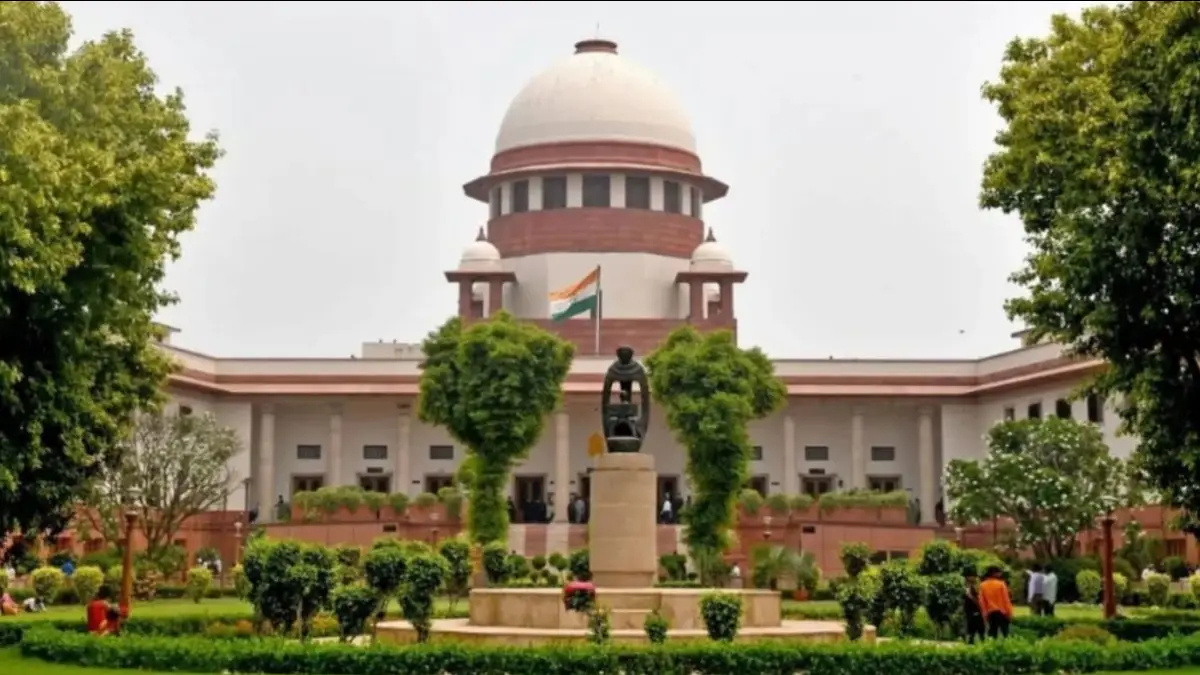
The Supreme Court of India has stated that it has not sanctioned any modified version of Form 6, which is currently being used for the enrolment of new voters. This clarification was made during a hearing on October 5, 2026, where Chief Justice of India Surya Kant addressed claims made by the Election Commission of India (ECI) regarding the approval of changes made to the form.

The bench, which included Justices Joymalya Bagchi and V Mohana, underscored the need for clarity regarding the modifications to Form 6. The Chief Justice explicitly mentioned that the court would review records to determine who was responsible for introducing the changes after the ECI had asserted that a new declaration attached to the form had received the apex court’s endorsement.

During the session, Chief Justice Surya Kant reiterated, “Any modified Form 6 has not been approved by us. Let’s be clear.” This statement aimed to address concerns about the legitimacy of the modifications that were allegedly made without judicial oversight.

Details of the Controversy

The controversy revolves around an additional declaration required in the modified Form 6. This new declaration mandates that applicants disclose whether they or their parents were part of the previous Special Intensive Revision (SIR). Critics have raised concerns about the necessity of this requirement, as it was not included in past versions of Form 6 used during SIR exercises in other states.

The petition challenging these modifications was filed by advocate Shailendra Mani Tripathi, who is seeking the prosecution of Chief Election Commissioner Gyanesh Kumar along with other officials. The plea alleges that these officials made unilateral decisions that directly impact the electoral roll revision process.

Tripathi’s petition also calls for an independent judicial inquiry to investigate the alleged unilateral decisions made by the ECI concerning the SIR process. He advocates for legal action under Section 32 of the Representation of the People Act, 1950, which outlines the penalties for election-related offences.

Legal Representation and Proceedings

During the hearing, senior advocate Menaka Guruswamy represented the petitioner. Guruswamy highlighted the potential issues arising from the alterations made to Form 6 and expressed concerns over the implications these changes could have for eligible citizens wishing to apply for their inclusion in the electoral rolls.

The Supreme Court bench has issued a notice in response to the plea and has linked it to another ongoing case that challenges similar actions taken by the Election Commission. This move reflects the court’s intention to ensure all related matters are examined together, thus streamlining the judicial scrutiny of the ECI’s decisions.

The outcome of these proceedings could have significant ramifications for the electoral process, particularly regarding voter registration and participation in upcoming elections. As the situation develops, further clarifications from the Supreme Court may provide additional guidance on the issue at hand.

Long or Short, get news the way you like. No ads. No redirections. Download Newspin and Stay Alert, The CSR Journal Mobile app, for fast, crisp, clean updates!

App Store –  https://apps.apple.com/in/app/newspin/id6746449540 

Google Play Store – https://play.google.com/store/apps/details?id=com.inventifweb.newspin&pcampaignid=web_share

Latest News

Popular Videos
