


Supreme Court Forms Panel to Investigate Delhi Protest Police Conduct
The CSR Journal Magazine

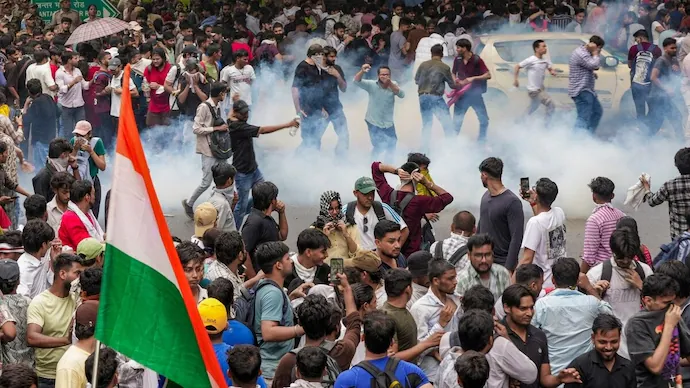
The Supreme Court has constituted a panel led by a retired judge of the Supreme Court to thoroughly investigate the police actions and incidents of violence that transpired during a recent student protest in Delhi. This establishment follows escalating tensions at the protest site, where demonstrators gathered to voice their concerns. The court’s initiative underscores its commitment to ensuring accountability and justice in the face of allegations concerning police conduct.

Background of the Incident

The protests in Delhi, which began on August 15, 2026, were primarily driven by student grievances related to education policies and other pressing socio-economic issues. As demonstrations escalated, reports emerged indicating confrontations between law enforcement and protesters, resulting in various injuries and disturbances. Eyewitness accounts suggested that the police’s response was marked by excessive force, prompting calls for an independent investigation into these actions.

In light of these developments, the Supreme Court’s decision to form a panel is seen as a critical step in addressing the alleged excesses by police during the protests. The committee will be charged with gathering evidence, interviewing involved parties, and producing a comprehensive report on the events that unfolded. This initiative aims to restore public confidence in the rule of law and the rights of citizens to peacefully assemble and express dissent.

The newly appointed panel will comprise legal experts and community representatives, ensuring diverse perspectives in the investigation. The panel is expected to begin its work promptly, with timelines for reporting findings yet to be disclosed. The Supreme Court emphasised the importance of an impartial inquiry to uncover the truth and provide recourse for those affected by the police’s actions.

Responses from Various Stakeholders

The announcement of the inquiry committee attracted a mixed reaction from various stakeholders. Student organisations, which have been at the forefront of the protests, welcomed the Supreme Court’s intervention, describing it as a necessary step towards accountability. Representatives of these groups expressed hope that the investigation would reveal the facts behind the alleged violence and hold those responsible accountable.

Conversely, some law enforcement officials expressed apprehension regarding the implications of the inquiry. They argued that while accountability is important, it is equally crucial to consider the complexities of police operations during such tumultuous events. Officials noted that police officers often face intense pressure in managing large crowds, which sometimes results in difficult decisions regarding the use of force.

The situation in Delhi remains delicate, with many activists and students continuing to voice their demands for reforms. They emphasize the need for a transparent process that addresses both their concerns and the circumstances under which police took action. It remains to be seen how this inquiry will affect ongoing protests and discussions about public safety measures in relation to civil rights.

Next Steps and Implications

As the panel begins its work, many eyes will be on the proceedings to ensure that the investigation is conducted transparently and fairly. The outcomes may have far-reaching implications for police practices and protocols in India, particularly in managing public protests. Civil rights advocates will likely monitor the progress closely, advocating for the protection of peaceful demonstrations while addressing concerns of police overreach.

The Supreme Court’s decision to intervene in this matter also highlights the judiciary’s role in upholding democratic values and safeguarding the rights of citizens. With this background, the investigation can potentially contribute to a more comprehensive understanding of policing in situations of civil unrest and could spark discussions on reforming practices that impact public safety and individual liberties.

In summary, the Supreme Court’s establishment of a probe panel serves as a pivotal moment in addressing the complex dynamics between law enforcement and civil protests in India. Through meticulous investigation, it aims to reaffirm the principles of justice and accountability in a democratic society.

Long or Short, get news the way you like. No ads. No redirections. Download Newspin and Stay Alert, The CSR Journal Mobile app, for fast, crisp, clean updates!

App Store –  https://apps.apple.com/in/app/newspin/id6746449540 

Google Play Store – https://play.google.com/store/apps/details?id=com.inventifweb.newspin&pcampaignid=web_share

Latest News

Popular Videos
