


States Such As Kerala, Bengal, and Andhra Required To Attract Migrants, Says Economic Advisory Council Member

The CSR Journal Magazine

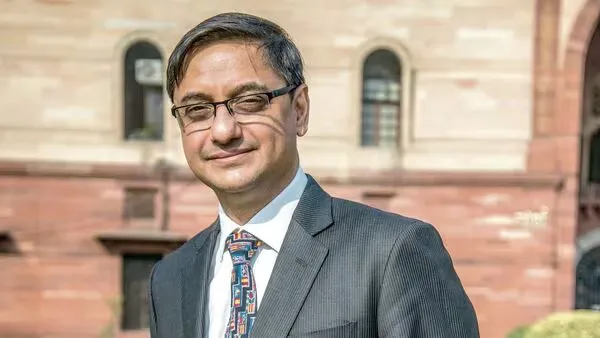
Sanjeev Sanyal, a member of the Prime Minister’s Economic Advisory Council, has indicated that states including Kerala, Andhra Pradesh, and West Bengal will likely need to rely on migrants from other parts of India to maintain their economic and public systems. This statement was made during an interview on August 19, where Sanyal discussed the implications of falling birth rates in these regions.

He pointed out that the overall population figures in India appear stable due to high-birth-rate states such as Uttar Pradesh and Bihar, which offset the lower birth rates in states like Kerala and Bengal. The necessity for migration arises from the significantly lower birth rates in the latter states, where sustaining local economies with the existing workforce could become a challenge.

Migration Necessity and Cultural Considerations

Sanyal emphasised the dilemma faced by these states regarding workforce availability. He remarked that regions cannot expect to maintain operational systems while simultaneously exporting a large proportion of their populations for employment abroad. He articulated that there is a pressing need to find a balance between local needs and external migration, particularly focusing on the cultural implications of such demographic shifts.

He stated, “You cannot have very low birth rates and send off a large proportion of your population to work in the Gulf and then say that the systems have to be kept running at the same time. Who’s going to keep those systems running?” This highlights the challenge of sustaining public services and economic health amidst fluctuating population figures.

While Sanyal acknowledged that India has not yet begun to face a significant decline in its population, he forecasted potential challenges ahead as more of the population transitions into the working-age bracket. He noted that India is currently in a phase described as a demographic dividend, where job creation becomes crucial.

Global Context of Fertility Rates and Immigration

Sanyal also provided a broader perspective, asserting that no country’s birth rate has significantly reversed once it has fallen below the replacement level, despite numerous government initiatives aimed at boosting childbirth. He cited examples from around the world wherein different countries have adopted varied strategies to deal with similar demographic issues.

For instance, he mentioned that some nations promote immigration to maintain functioning institutions, while others, such as Japan, have chosen a path of limited migration to preserve cultural continuity. He highlighted South Korea as a particularly concerning case, where the total fertility rate has plummeted to about a third of the rate necessary to support a stable population.

In the context of these global observations, Sanyal expressed worries about potential future declines in major populations like China, suggesting that this will present particular challenges in the years to come. Those countries are likely to face significant complications due to their ageing populations and reduced workforce, indicating a trend that India should be prepared for in the future.

Long or Short, get news the way you like. No ads. No redirections. Download Newspin and Stay Alert, The CSR Journal Mobile app, for fast, crisp, clean updates!

App Store –  https://apps.apple.com/in/app/newspin/id6746449540 

Google Play Store – https://play.google.com/store/apps/details?id=com.inventifweb.newspin&pcampaignid=web_share

Latest News

Popular Videos