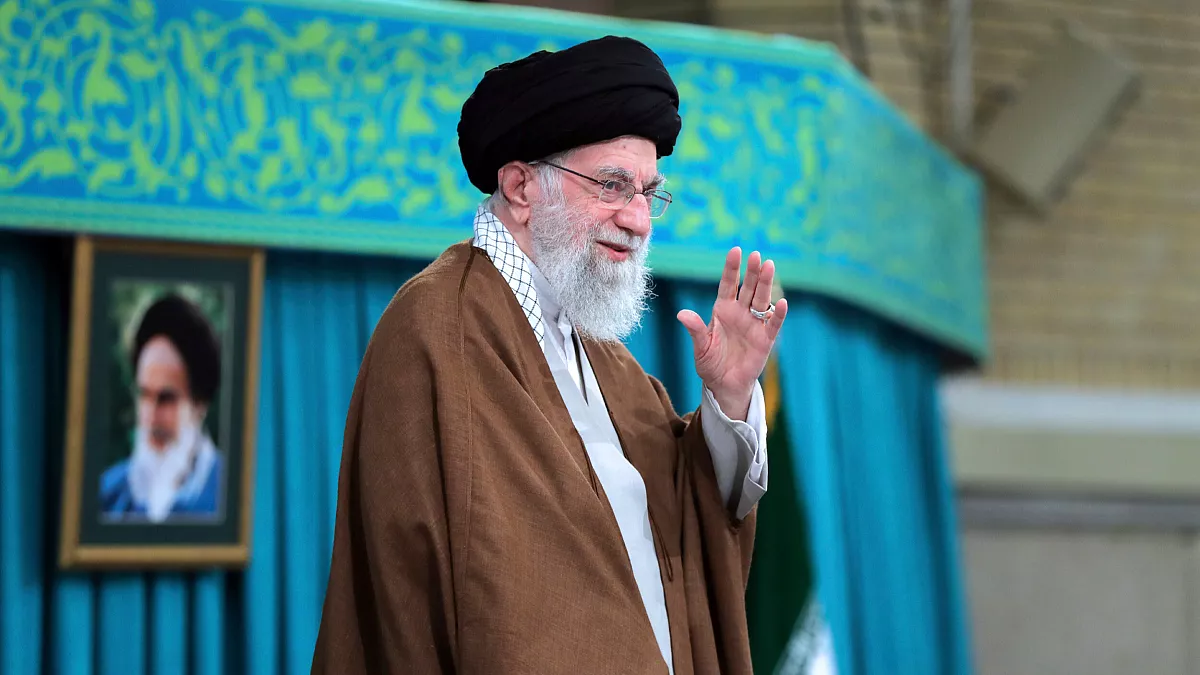
Iran’s Supreme Leader, Ali Khamenei, is reported to have been killed following coordinated airstrikes carried out by the United States and Israel, according to Israeli officials. However, there has been no official confirmation from Tehran regarding his fate, leaving the situation uncertain and highly volatile.
The joint military operation reportedly targeted key leadership and military facilities inside Iran, including sites linked to the country’s top command structure. Israeli Prime Minister Benjamin Netanyahu stated that there are “many signs” indicating Khamenei may no longer be alive, adding that senior commanders and nuclear programme officials were also eliminated in the strikes.
If confirmed, the death of the 86-year-old cleric would mark one of the most consequential moments in Iran’s modern history. Khamenei had served as Supreme Leader since 1989, succeeding Ayatollah Ruhollah Khomeini. Over decades, he consolidated authority over Iran’s political, military and religious institutions, shaping its hardline foreign policy and regional strategy.
Under his leadership, Iran expanded its influence through alliances with groups such as Hamas and Hezbollah, while maintaining a confrontational stance toward Israel and the United States. Though he backed the 2015 nuclear agreement during President Hassan Rouhani’s tenure, relations with Washington deteriorated sharply after the US withdrew from the deal in 2018 and reimposed sanctions.
The reported strike is being described by US and Israeli officials as a pre-emptive security move aimed at weakening Iran’s military and nuclear capabilities. However, analysts warn that any confirmed loss of Iran’s Supreme Leader could trigger internal power struggles and further destabilize an already tense region.
Iran’s constitutional framework places ultimate authority in the hands of the Supreme Leader. In the event of his death, the Assembly of Experts — a powerful clerical body — would be responsible for appointing a successor. The transition process could significantly influence the country’s domestic direction and foreign policy posture.
As regional tensions rise and global leaders call for restraint, the absence of confirmation from Iranian authorities keeps the world watching closely. Whether verified or not, the reports signal a dramatic escalation in the long-standing confrontation between Iran, Israel and the United States.