


BRICS Flags AI Risks To Copyright, Traditional Knowledge And Cultural Heritage
The CSR Journal Magazine

The BRICS grouping has raised concerns over the impact of artificial intelligence on intellectual property, cultural heritage and traditional knowledge, warning that the rapid expansion of AI could create new risks for rights holders and for knowledge that remains inadequately represented in digital datasets.

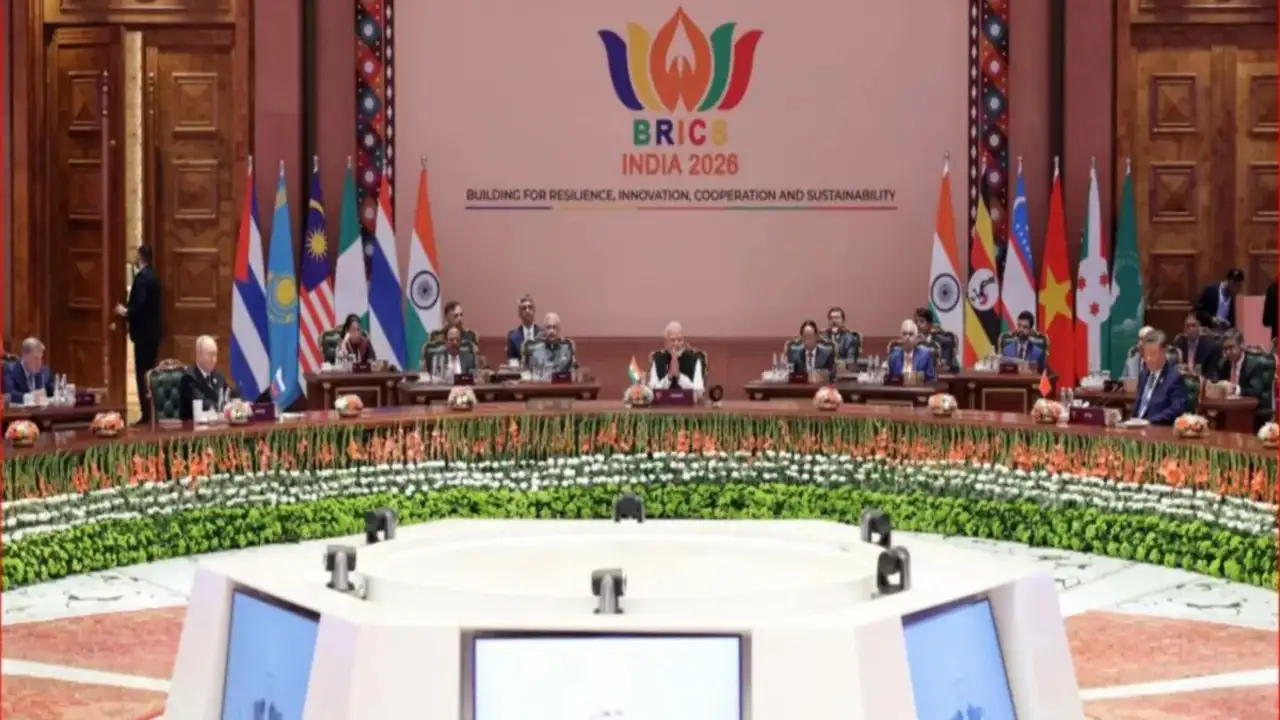
The concerns were outlined in Saturday’s New Delhi Declaration 2026, in which BRICS leaders placed AI applications alongside intellectual property issues such as patent examination, traditional knowledge, geographical indications and the commercialisation of IP, signalling a broader effort to address emerging technology through the bloc’s intellectual property framework.

AI Training And Rights Holders In Focus

The declaration underscored the importance of intellectual property for economic development and called for closer cooperation among the intellectual property offices of BRICS countries.

It said there was a need to promote respect for intellectual property rights in the digital environment, “including for artificial intelligence training purposes”, while also referring to fair remuneration for rights holders.

The language addresses one of the key unresolved questions surrounding generative AI: what happens when copyrighted material is used to train an AI system, and whether the creators of that material should retain rights or receive compensation.

The declaration does not set out a common BRICS position on how such questions should be resolved. However, the inclusion of AI training and fair remuneration indicates that the issue is increasingly becoming part of the grouping’s wider intellectual property agenda.

BRICS also called for greater cooperation on AI applications within its intellectual property systems, alongside work on patent examination, traditional knowledge, geographical indications and capacity building.

Concerns Over Knowledge Missing From AI Models

The declaration also drew attention to the risks created by what artificial intelligence systems fail to learn.

BRICS warned that the increasing use of AI could lead to the misappropriation and misrepresentation of knowledge, heritage and cultural values that are insufficiently represented in datasets and AI models.

The concern has particular relevance for countries with numerous languages, diverse cultural traditions and extensive bodies of traditional knowledge.

Knowledge that has not been adequately digitised or included in AI training datasets may be more difficult for AI systems to understand accurately. This can create gaps, distortions or false representations when such systems generate information about communities, their traditions and their cultural heritage.

By linking these concerns with intellectual property, BRICS has framed the issue as extending beyond technology to questions involving ownership, representation and the protection of cultural and traditional knowledge.

BRICS Pushes Cooperation On Emerging Technologies

The grouping’s call for deeper cooperation among intellectual property offices suggests that BRICS is approaching the impact of AI through national IP systems as well as through the broader lens of economic development.

Cooperation is expected to cover AI applications, traditional knowledge, geographical indications and capacity building, bringing technological and intellectual property concerns into the same policy framework.

The language in the New Delhi Declaration also reflects a wider BRICS effort to shape approaches to emerging technologies.

Elsewhere, the grouping has supported cooperation on AI standardisation and recognised the need for greater knowledge-sharing and capacity building around new technologies.

The declaration therefore places intellectual property rights and cultural representation alongside the technological development of AI, while highlighting unresolved questions over the use of copyrighted material, compensation for rights holders and the risks faced by knowledge that remains outside the datasets on which AI systems are built.

Long or Short, get news the way you like. No ads. No redirections. Download Newspin and Stay Alert, The CSR Journal Mobile app, for fast, crisp, clean updates!

App Store –  https://apps.apple.com/in/app/newspin/id6746449540 

Google Play Store – https://play.google.com/store/apps/details?id=com.inventifweb.newspin&pcampaignid=web_share

Latest News

Popular Videos
