


RBI Repo Rate May Rise to 6.5% Amid Inflationary Pressures
The CSR Journal Magazine

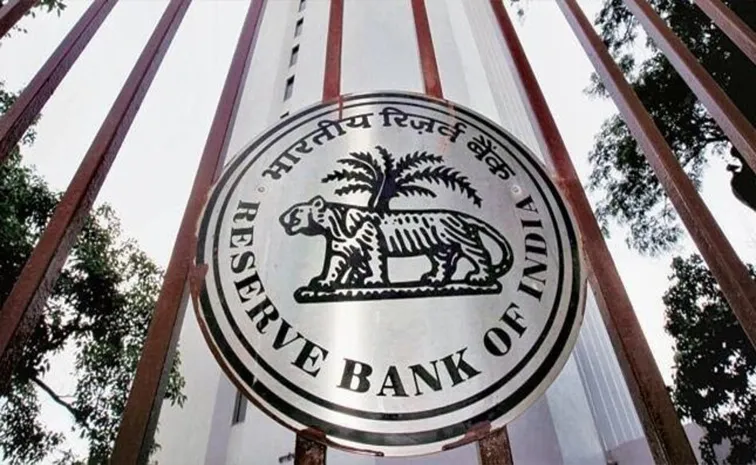
The Reserve Bank of India (RBI) is reportedly facing increased pressure to raise the policy repo rate from the current 5.25 per cent to approximately 6.5 per cent. This shift is driven by accelerating retail and wholesale inflation, which is threatening to result in negative real interest rates. A recent report from Systematix Institutional Equities highlights that inflationary trends are becoming broadly entrenched, with the headline Consumer Price Index (CPI) inflation climbing to 4.82 per cent in August from 4.45 per cent in July.

This rise marks the third consecutive month that CPI inflation has exceeded the RBI’s target midpoint of 4 per cent. In particular, food inflation surged to 5.95 per cent, while rural inflation at 5.23 per cent outstrips urban inflation, which is at 4.31 per cent. These figures illustrate the ongoing challenges the RBI faces in maintaining price stability.

Wholesale Inflation Contributes to Rising Pressures

Wholesale Price Index (WPI) inflation has also intensified, increasing to 9.92 per cent in August from 9.78 per cent in July. This is accompanied by a significant rise in fuel inflation which jumped to 22.93 per cent from 20.05 per cent. Alongside this, inflation in manufactured products remained high at 8.37 per cent, food prices increased by 7.05 per cent, and primary articles rose to 7.76 per cent.

Systematix has identified food items, especially certain vegetables and spices, as primary contributors to escalating price pressures. Heightened fuel and energy prices, driven by global developments including issues in West Asia, combined with soaring manufacturing and input costs, are intensifying the overall inflationary environment. Core inflation has also seen an uptick, reaching 4.2 per cent.

The brokerage anticipates that inflation may continue its upward trajectory, possibly surpassing 6 per cent by October to November. They attribute this expectation to sustained high WPI inflation, risks associated with El Niño affecting food supplies, and ongoing high crude oil prices.

Potential Impact on Monetary Policy and Corporate Costs

Systematix’s report highlights a widening disparity between WPI at approximately 9.9 per cent and CPI at 4.8 per cent, suggesting that companies are currently absorbing a considerable portion of the rising input costs. The implications of rising inflation are becoming evident in the manufacturing sector as interim first-quarter FY27 results reveal that while sales grew by 25.6 per cent year-on-year, raw material costs surged by 40 per cent. Consequently, value addition in nominal terms fell by 4.5 per cent, and the raw material-to-sales ratio escalated to 75.3 per cent.

The report posits that these conditions create a compelling argument for monetary tightening, indicating that a real interest rate of at least 1 per cent would necessitate a nominal repo rate of approximately 6.5 per cent. Extended periods of negative or minimal real rates may lead to increased consumption habits, weakening savings levels, thereby constraining the RBI’s ability to respond to future inflation surges.

Looking ahead, Systematix envisages a shift towards a significantly positive real interest rate, striving for a repo rate closer to 6.5 per cent. The upcoming early-October Monetary Policy Committee meeting is anticipated to offer initial insights into this potential policy adjustment.

Long or Short, get news the way you like. No ads. No redirections. Download Newspin and Stay Alert, The CSR Journal Mobile app, for fast, crisp, clean updates!

App Store –  https://apps.apple.com/in/app/newspin/id6746449540 

Google Play Store – https://play.google.com/store/apps/details?id=com.inventifweb.newspin&pcampaignid=web_share

Latest News

Popular Videos
