


Rare Caracal Sighting Near India-Pakistan Border Offers Hope for Conservation
The CSR Journal Magazine

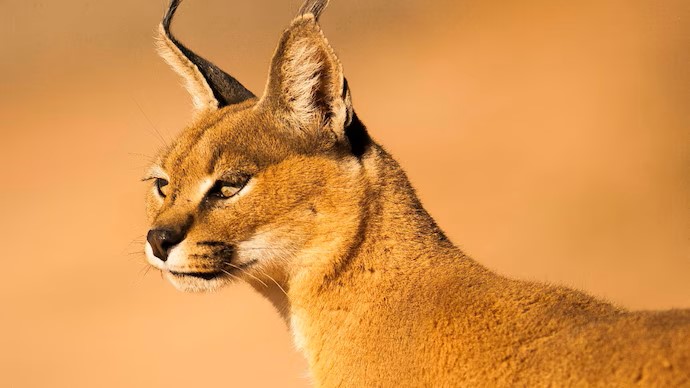
A notable sighting of the elusive caracal has been confirmed near the India-Pakistan border in the Thar Desert, representing an important development for wildlife conservation in India. Forest officials have reported the presence of at least three caracals, providing cautious hope for the future of this critically endangered species in the region.

Characteristics and Habitat of the Caracal

Commonly referred to as the “desert lynx,” the caracal is a medium-sized nocturnal predator recognized for its distinctive long, black-tufted ears. Historically, this species was widespread in northwestern India. However, its population has dramatically decreased due to habitat destruction, hunting practices, and fragmentation of ecosystems. Consequently, spotting a caracal in the wild today is exceedingly rare, making this recent discovery particularly significant.

Monitoring and Protection Initiatives

In an effort to safeguard these animals, officials have set up an extensive surveillance network in the area. Strategic camera traps have been installed throughout desert corridors, and radio collars are being utilized to monitor the caracal’s movements in real time. Authorities state that this continuous monitoring system allows researchers to gain a deeper understanding of the caracal’s behavior, dietary habits, and habitat preferences.

Challenges to Caracal Survival

Wildlife experts identify habitat contraction as a primary factor contributing to the decline of the caracal. Many grasslands are incorrectly labeled as wastelands and are repurposed for development, further endangering the species. Additionally, illegal hunting along with competition from feral dogs pose significant threats. The absence of dedicated conservation initiatives in the past has exacerbated the caracal’s decline in India.

Enhanced Conservation Efforts Underway

In light of the recent sightings, there is a renewed commitment to conservation efforts. The Rajasthan Forest Department is collaborating with wildlife institutes to restore habitats, strengthen anti-poaching regulations, and involve local communities in awareness programs focused on conservation. These efforts aim to provide a supportive environment for the caracal population.

Future Protection Plans for Key Habitats

Plans are in development to formally designate critical habitats within the Thar Desert as protected areas for the caracal. Experts believe that these initiatives could signify a pivotal moment for the species. Continued conservation endeavors may help the Thar Desert evolve into a secure haven for one of India’s most enigmatic wild cats, which has long been subject to misconceptions and neglect.

Long or Short, get news the way you like. No ads. No redirections. Download Newspin and Stay Alert, The CSR Journal Mobile app, for fast, crisp, clean updates!

App Store –  https://apps.apple.com/in/app/newspin/id6746449540 

Google Play Store – https://play.google.com/store/apps/details?id=com.inventifweb.newspin&pcampaignid=web_share

Latest News

Popular Videos
