


PM Modi Becomes India’s Longest-Serving Head of Elected Government
The CSR Journal Magazine

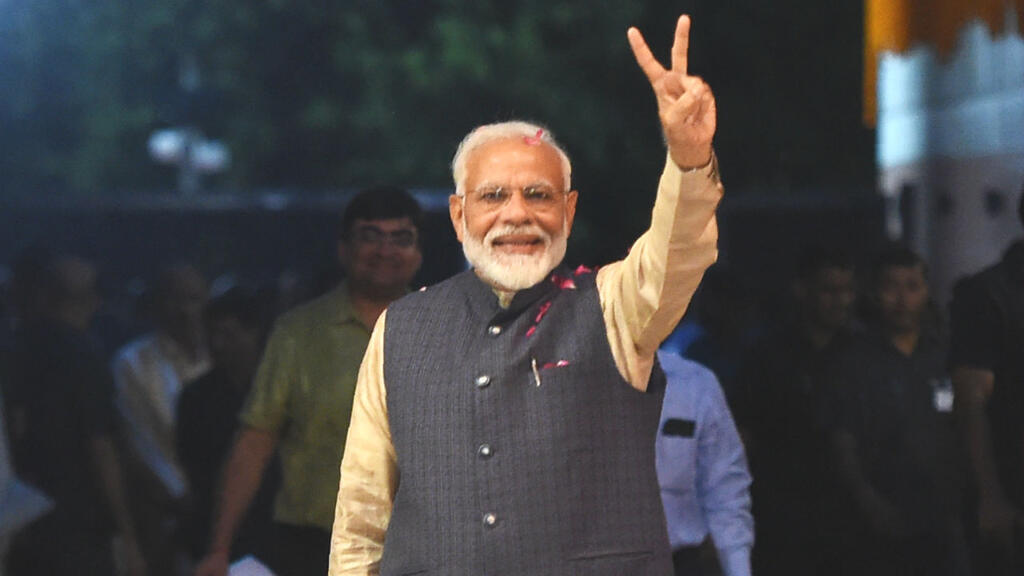
Narendra Modi has officially become the longest-serving head of an elected government in India, marking an unprecedented tenure of 8,931 days in office that spans his roles as both chief minister and prime minister. This significant achievement allows him to surpass the previous record held by Pawan Kumar Chamling, who served as the Chief Minister of Sikkim for 8,930 days. Modi’s tenure reflects a considerable evolution in his political career and the dynamics of Indian governance.

Tenure as Chief Minister of Gujarat

Modi’s political journey commenced as the Chief Minister of Gujarat, a position he assumed on October 7, 2001. For over 13 years, Modi led the western state with a focus on various developmental initiatives. His administration continued until May 21, 2014, when he resigned from this role to pursue national politics and prepare for a larger leadership role on the national stage.

Prime Ministerial Tenure Begins

Following his resignation, Modi was sworn in as India’s 14th Prime Minister on May 26, 2014. His transition from state-level to national leadership came during a period of significant political change in India, paving the way for his party, the Bharatiya Janata Party (BJP), to secure a decisive victory in the general elections. Modi’s actions as Prime Minister have emphasized economic reform, infrastructural improvements, and various social initiatives aimed at enhancing the quality of life for citizens.

Implications of the Milestone

This historical milestone not only highlights Modi’s extensive political career but also underscores the evolving nature of leadership in contemporary India. His sustained period in office is indicative of both his party’s political strategy and the public’s continuing support. Given the complexities of governance and the challenges faced in Indian politics, Modi’s tenure has generated considerable discussion regarding the implications of long-term leadership on policy stability and democratic processes.

The recognition of Modi’s record has elicited responses from various sectors, reflecting the polarization in Indian politics today. Supporters celebrate his leadership as a force for development, while critics question the implications of an extended tenure on democratic principles. This milestone raises important conversations regarding accountability, governance efficiency, and the nature of public expectations from long-serving leaders.

As Modi continues his tenure, he faces ongoing challenges, including economic fluctuations, international relations, and domestic issues. The impacts of his policies will be scrutinized not only in the context of his historic tenure but also in terms of their long-term effects on India’s societal and economic landscape. The next phase of governance will likely focus on reinforcing policy initiatives while addressing the critiques that arise from such a long-term political presence.

Long or Short, get news the way you like. No ads. No redirections. Download Newspin and Stay Alert, The CSR Journal Mobile app, for fast, crisp, clean updates!

App Store –  https://apps.apple.com/in/app/newspin/id6746449540 

Google Play Store – https://play.google.com/store/apps/details?id=com.inventifweb.newspin&pcampaignid=web_share

Latest News

Popular Videos
