


NASA Tests VASIMR Plasma Engine to Cut Travel Time to Mars
The CSR Journal Magazine

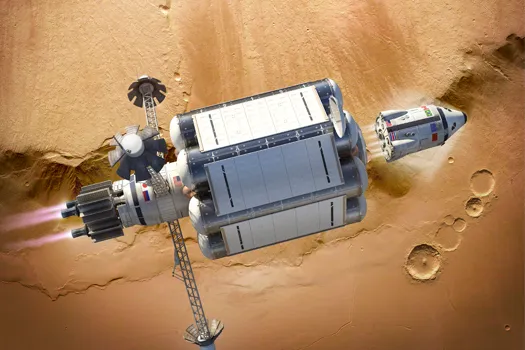
NASA has announced advancements in plasma propulsion technology that could significantly decrease the duration of space travel to Mars. This innovative engine, known as the VASIMR (Variable Specific Impulse Magnetoplasma Rocket), aims to enable faster and more efficient journeys to the Red Planet. Currently, traditional chemical rockets could take around six to nine months to reach Mars, depending on the alignment of the planets. The VASIMR engine could potentially cut this time down substantially, improving the feasibility of manned missions.

Technical Specifications of the VASIMR Engine

The VASIMR propulsion system operates by using plasma, which is ionised gas, to generate thrust. The engine works by heating the plasma to extremely high temperatures using radio waves, and then expelling it via magnetic nozzles. This process allows for a high specific impulse, meaning it can provide substantial thrust while using less propellant compared to conventional engines. The VASIMR is capable of operating over a range of power levels, enabling adjustments based on different mission requirements. Furthermore, the technology promises a greater level of operational flexibility, potentially allowing for shorter travel times depending on the power input.

NASA is currently in the process of testing the VASIMR engine at its facilities. Preliminary tests have shown promising results, demonstrating the engine’s ability to sustain high efficiency over long durations. The development schedule includes further testing phases and integration with spacecraft systems, laying the groundwork for future missions. NASA officials have expressed optimism about the implications of this technology for deep-space exploration, particularly in the context of Mars missions, where optimising travel time is crucial.

Potential Impact on Future Mars Missions

The reduction in travel time to Mars holds significant implications for the safety and success of future expeditions. Shorter journeys would mitigate exposure to space radiation and other hazards associated with long-term space travel. Moreover, rapid transit could streamline logistics for resupply missions, which are essential for crewed missions to sustain human life during extended stays on Mars.

As the VASIMR technology matures, it could be instrumental in paving the way for a sustained human presence on Mars. NASA’s plans outline extended missions to study the Martian surface, which would necessitate advanced propulsion technologies. The planned timelines indicate a possible manned mission to Mars as early as the late 2030s, contingent upon successful tests and integration of the VASIMR with other mission components.

Future Directions for Plasma Propulsion Research

The advancements in plasma technology are not limited to Mars missions alone. NASA’s commitment to exploring various propulsion methods aligns with ongoing research initiatives aimed at enhancing deep-space travel capabilities. Collaboration with private space agencies and international partners is anticipated to accelerate the development and testing of next-generation propulsion systems, including variations of the VASIMR technology.

Research into plasma propulsion extends beyond Mars, with potential applications for missions to asteroids and beyond. Scientists believe that this technology could revolutionise space travel, making exploration of the outer planets more feasible. As the demand for more robust space exploration strategies grows, the role of advanced propulsion technologies like VASIMR will likely become increasingly vital.

Nasa’s research team remains focused on refining the VASIMR system, ensuring that it meets the rigorous demands of extraterrestrial travel. The next steps include further testing in various environments and continued optimisation of the technology to enhance efficiency and reliability. The outcome of these efforts will significantly influence the future landscape of space exploration and mankind’s journey to other worlds.

Long or Short, get news the way you like. No ads. No redirections. Download Newspin and Stay Alert, The CSR Journal Mobile app, for fast, crisp, clean updates!

App Store –  https://apps.apple.com/in/app/newspin/id6746449540 

Google Play Store – https://play.google.com/store/apps/details?id=com.inventifweb.newspin&pcampaignid=web_share

Latest News

Popular Videos
