


Monsoon Approaches India With Promising Indicators
The CSR Journal Magazine

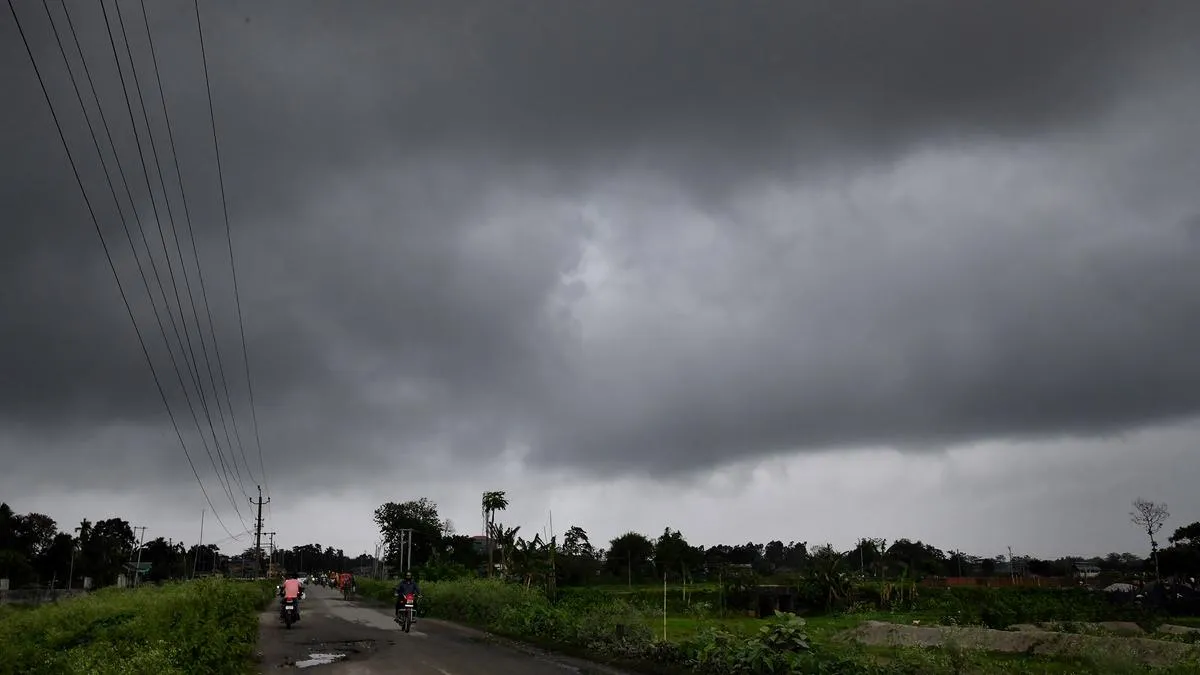
The anticipated arrival of the southwest monsoon in India is becoming more assured as various indicators strengthen. Despite the unusually cool May weather across numerous regions, thunderstorms have started to emerge in states such as Tamil Nadu and Kerala. Furthermore, the Andaman and Nicobar Islands, which are traditionally the first locations to experience the monsoon, are expected to see the onset within the next two weeks.

The India Meteorological Department (IMD) has projected increased rainfall activity over the next week in Tamil Nadu, Puducherry, Kerala, and Mahe. This uptick in pre-monsoon thunderstorms signifies a key seasonal marker, suggesting the monsoon is advancing as scheduled. In other areas of north-western and eastern India, the weather continues to oscillate between pronounced heat and sudden thunderstorms, lighting, and hailstorms, which are characteristic of this transitional season.

All signs indicate that the monsoon is likely to reach the Kerala coast around June 1, aligning with the expected timeline. This forthcoming event is being monitored closely as the atmospheric conditions evolve.

Australia’s Weather Influences Indian Monsoon

A recent announcement from Australia’s Bureau of Meteorology that the 2025–26 northern Australian wet season has concluded is noteworthy for Indian meteorologists. Although the weather patterns in Australia may seem distant, this transition directly impacts the monsoon’s arrival in India. The conclusion of the wet season in Australia effectively eliminates one of the last obstacles hindering the timely commencement of the monsoon, allowing rain-bearing conditions to progress northward towards the Indian subcontinent.

Understanding the relationship between Australia and India’s monsoon requires recognising a vast, invisible band of clouds and rain that encircles the planet near the equator. This belt routinely migrates northwards as summer approaches the Northern Hemisphere and shifts southwards during the Southern Hemisphere’s summer. This cyclical movement of the belt is instrumental in transporting rain to India.

Once Australia’s wet season concludes, the influence of the southern half of this atmospheric band diminishes, enabling a more pronounced northward shift. This shift facilitates the movement of moisture-rich winds from the oceans towards South Asia, which is already observable as the belt progresses towards the region.

Monsoon Journey and Its Path to India

The climatic belt responsible for the monsoon has already crossed the equator and is nearing the Maldives, en route to Sri Lanka and the Andaman and Nicobar Islands, marking the first stops on the monsoon’s trajectory before it reaches India’s Kerala coast. Historical patterns suggest that this pathway is both reliable and well-established, ultimately providing precipitation across the country.

Throughout the months of May to September, as Australia remains dry, India typically receives its expected monsoon rains. By late September, the weather patterns reverse: the atmospheric belt descends back southward, initiating Australia’s wet season while India’s monsoon begins to recede. This annual cycle demonstrates a consistent interchange of weather dynamics between the two hemispheres.

At present, the signals are positive, with the atmospheric belt shifting as anticipated. The monsoon, which is highly awaited by more than a billion people, is thus progressing towards India’s shores. The approaching rainfall heralds not just a change in weather but also holds substantial significance for agriculture and water resources across the nation.

Long or Short, get news the way you like. No ads. No redirections. Download Newspin and Stay Alert, The CSR Journal Mobile app, for fast, crisp, clean updates!

App Store –  https://apps.apple.com/in/app/newspin/id6746449540 

Google Play Store – https://play.google.com/store/apps/details?id=com.inventifweb.newspin&pcampaignid=web_share

Latest News

Popular Videos
