


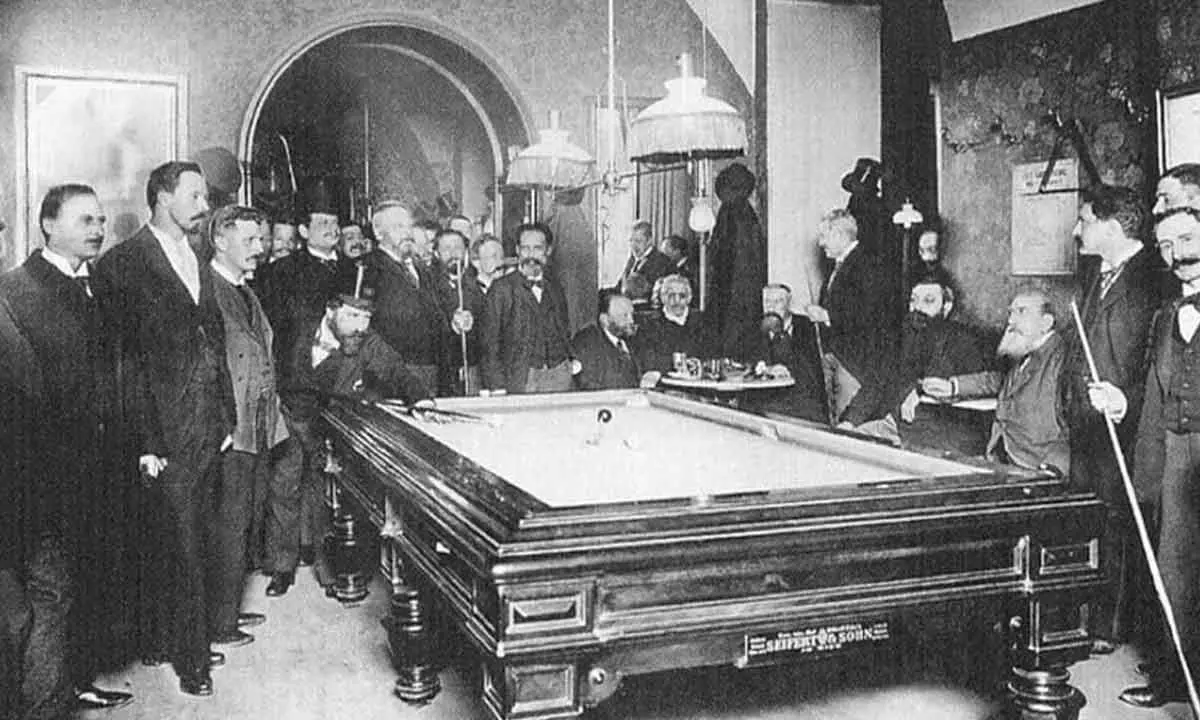

Modern Snooker Was Invented In 1875 In India By Sir Neville Chamberlain

The CSR Journal Magazine

Modern snooker, a popular cue sport, was invented in 1875 in India by Sir Neville Chamberlain, who was serving as a British army officer at the time. The game emerged out of a desire for a new pastime, as Chamberlain reportedly found traditional activities increasingly uninteresting. During his stay in Jabalpur, he began experimenting with existing billiard games to create a new format that would be engaging for players.

Chamberlain’s creativity led him to blend elements of various cue sports, which ultimately resulted in the formation of snooker. The game incorporated aspects of both billiards and pool, aimed at making it more dynamic and entertaining. He introduced specific rules and a distinct set of gameplay mechanics that defined snooker as it is recognised today.

Initially played by a small group of friends and fellow officers, the game gradually gained popularity among other British military personnel stationed in India. The unique aspects and competitive nature of snooker made it appealing, and it soon spread beyond its origins to become a favourite pastime in British society.
The Growth of Snooker

As snooker gained traction, it began to evolve beyond informal gatherings. By the late 19th century, the game had attracted considerable attention, with rules being further refined and standardised. Various clubs and organisations were established, creating a formal infrastructure to support amateur and professional players alike. This transition marked the beginning of snooker as an organised sport.

In addition to growing domestically in Britain, snooker began attracting international interest. The first known snooker championship was held in 1882, further solidifying the game’s status as a legitimate competitive sport. The British influence during colonial times played a crucial role in spreading the sport to other regions, particularly in countries within the Commonwealth.

Television coverage in the latter half of the 20th century significantly elevated the profile of snooker. Major tournaments began to be televised, captivating audiences and inspiring a new generation of players. Icons of the sport emerged, showcasing extraordinary talent and pushing the boundaries of competitive gameplay.

The Legacy of Sir Neville Chamberlain

Sir Neville Chamberlain’s contribution to the invention of snooker is a notable part of the sport’s history. While he was initially motivated by boredom, his innovation has resulted in a globally celebrated game. Snooker has come to embody elements of skill, strategy, and precision, making it both a recreational activity and a serious sport.

Chamberlain’s legacy is evident in the ongoing success of snooker in various formats, including professional leagues and international competitions. Modern snooker tournaments attract substantial viewership, highlighting the sport’s ability to thrive through the decades since its inception. Players across the globe continue to engage with the game, benefiting from the foundational rules and structures established in the 19th century.

Today, snooker is regarded as a refined and challenging sport, celebrated for its tactical depth and the concentration it demands from participants. The game has generated a passionate following, ensuring that Chamberlain’s boredom turned into an enduring and productive legacy for generations to come.

Long or Short, get news the way you like. No ads. No redirections. Download Newspin and Stay Alert, The CSR Journal Mobile app, for fast, crisp, clean updates!

App Store –  https://apps.apple.com/in/app/newspin/id6746449540 

Google Play Store – https://play.google.com/store/apps/details?id=com.inventifweb.newspin&pcampaignid=web_share

Latest News

Popular Videos